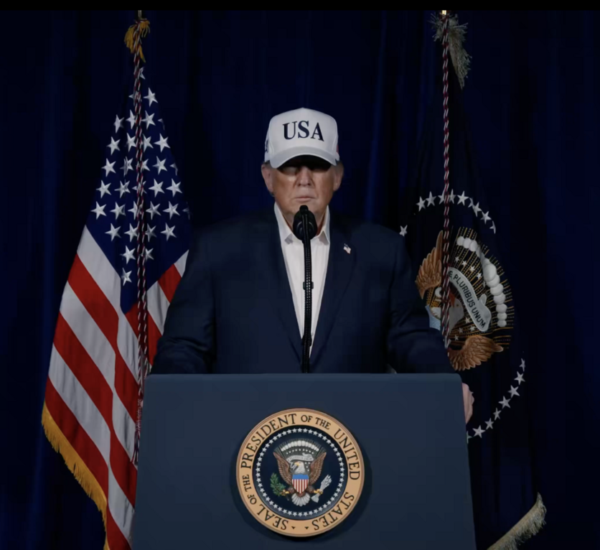
Trump Gets Foreign Invite
French President Emmanuel Macron is reportedly making a determined effort to bring President Donald Trump to France this June—extending an invitation to a high-profile dinner at the historic Palace of Versailles following the upcoming G7 Summit.
According to multiple reports, Macron is eager to secure Trump’s attendance at the global gathering, which will take place in Évian-les-Bains from June 15–17. The summit brings together leaders from the world’s most powerful economies at a time of growing instability—and increasing friction between the United States and its European allies.
Schedule Shift Shows Trump’s Influence
In a notable move, France reportedly adjusted the summit schedule to accommodate events at the White House, including a major UFC fight planned for June 14—coinciding with President Trump’s 80th birthday celebration.
The decision signals just how much global leaders recognize Trump’s influence on the world stage, even amid ongoing disagreements.
Versailles Dinner Meant to Highlight U.S.-France Alliance
The proposed dinner at Versailles isn’t just symbolic—it’s strategic.
Sources say the invitation is meant to emphasize the deep-rooted relationship between the United States and France ahead of America’s 250th Independence Day on July 4. The setting itself—one of the most iconic landmarks in Europe—adds weight to the moment.
However, neither the French government nor the White House has officially confirmed the plans. It also remains unclear whether Trump will attend either the summit or the dinner.
Still, one insider claimed Macron is “pushing hard” to make it happen.
Growing Rift Between Trump and European Leaders
The invitation comes at a time of increasing tension between President Trump and European allies, particularly over the ongoing conflict involving Iran.
Last year, Trump made headlines when he left the G7 summit early due to escalating Middle East tensions—disrupting negotiations and raising concerns among global leaders.
Since then, disagreements have only intensified.
President Trump has openly criticized NATO countries and European governments for what he sees as a lack of support during military operations tied to Iran. Some nations have refused to allow the use of their bases, while others have avoided direct involvement altogether.
Trump has made it clear he’s not pleased with that stance.
Macron and Trump Clash Over Foreign Policy
For his part, Macron has strongly opposed U.S. military actions, arguing they fall outside international legal standards. Meanwhile, President Trump has accused the French leader of being “unhelpful” during a critical moment—especially after reports that France restricted certain military flight paths.
The disagreement underscores a widening divide between Washington and key European capitals.
What’s at Stake at the 2026 G7 Summit
With global tensions rising, energy markets under pressure, and alliances being tested, this year’s G7 summit could be one of the most consequential in recent memory.
Whether President Trump attends—and whether he accepts Macron’s invitation to Versailles—may signal the future direction of U.S.-Europe relations.
For now, all eyes are on June.