CNN Calls Trump A Liar
President Donald Trump pushed back hard Tuesday after CNN publicly disputed one of his claims about Republican voter support, setting off another dramatic clash between the president and the corporate media.
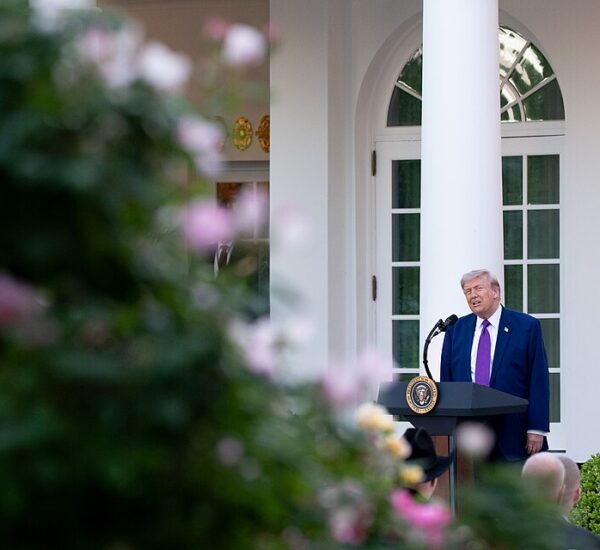
Speaking from the Oval Office, Trump told reporters that CNN polling supposedly showed him with “100 percent approval within the Republican Party,” a statement that immediately drew backlash from critics and media figures online.
CNN anchor Jake Tapper quickly responded on social media with a blunt one-word reply: “Nope.”
Tapper linked directly to CNN’s latest polling analysis, arguing that the numbers actually showed a decline in support for Trump among some Republican voters and independents. According to the network, Republican support reportedly dropped from 90 percent in late March to 80 percent, while “strong support” declined even more sharply.
The exchange instantly reignited long-running tensions between Trump supporters and mainstream media outlets, with many conservatives accusing networks like CNN of pushing negative narratives designed to weaken the president ahead of critical elections.
CNN’s report claimed Trump’s overall approval rating has now fallen to roughly 35 percent, a figure the outlet compared to the low approval numbers seen by former President George W. Bush during the final stretch of his presidency.
Conservatives, however, have increasingly questioned the accuracy and credibility of major media polling operations. Many Trump supporters point to past election cycles where polls underestimated Republican turnout and failed to capture support from working-class and independent voters.
CNN analyst Harry Enten added to the controversy earlier this week when he described what he called an “absolute collapse” in Trump’s support among Republican-leaning independents following growing tensions involving Iran.
According to Enten, support within that key voter bloc reportedly dropped from 73 percent to 53 percent. His comments quickly spread across social media, where both critics and supporters debated whether the numbers reflected reality or media spin.
Despite the criticism, Trump has remained defiant and continues defending his economic agenda. The president has repeatedly argued that inflation and affordability problems were inherited from the previous administration, while insisting his policies are focused on restoring economic strength, lowering energy costs, and putting American workers first.
Trump has also dismissed many negative economic headlines as politically motivated attacks pushed by Democrats and amplified by hostile media organizations.
At the same time, several national surveys suggest voters remain concerned about rising prices, the cost of living, and instability overseas. One recent ABC News/Washington Post/Ipsos survey found majorities of respondents disapproved of Trump’s handling of inflation and the ongoing conflict involving Iran.
Still, Trump continues to dominate the Republican Party and remains the central figure in conservative politics heading into the next election cycle. His rallies continue attracting massive crowds, his endorsements still carry major influence, and his ability to command media attention remains unmatched in modern American politics.
With the 2026 midterm elections approaching fast, the battle between Trump and the mainstream media appears far from over.