Supreme Court Treads Lightly With Trump
Chief Justice John Roberts took a markedly restrained tone in his latest annual report, opting to highlight American history and constitutional principles rather than weigh in on modern political disputes.
The 2025 Year-End Report on the Judiciary, released Wednesday evening, avoids references to current legal controversies that have drawn national attention. Notably absent is any discussion of the recent surge in litigation connected to President Donald Trump’s second term or the Supreme Court’s emergency rulings involving federal policies.
Instead, Roberts centered his message on the nation’s founding ideals as the United States approaches the 250th anniversary of the Declaration of Independence. His report offers a historical reflection on how the country has gradually worked toward those principles over time.
Tracing America’s development from the revolutionary era through the civil rights movement, Roberts referenced early influences such as Thomas Paine and his pamphlet Common Sense, emphasizing the enduring importance of constitutional self-government.
Roberts wrote that fulfilling the promises of the Declaration is a shared responsibility across all three branches of government, as well as among successive generations of Americans.
He reaffirmed the judiciary’s role, stressing that judges must faithfully apply the law, provide equal justice to all, and uphold their constitutional oath without regard to wealth, influence, or political pressure.
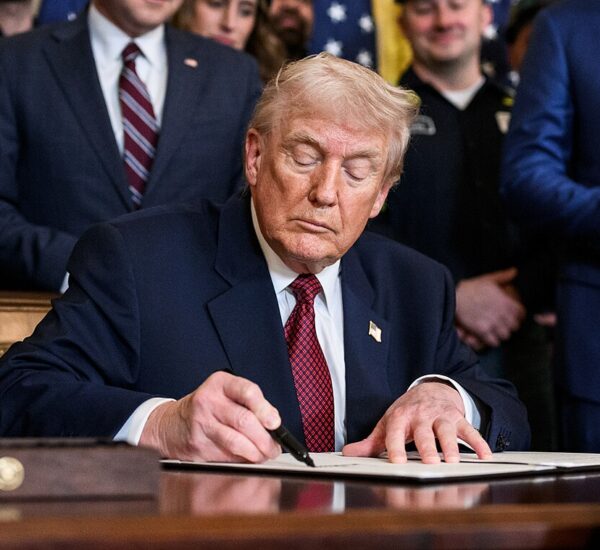
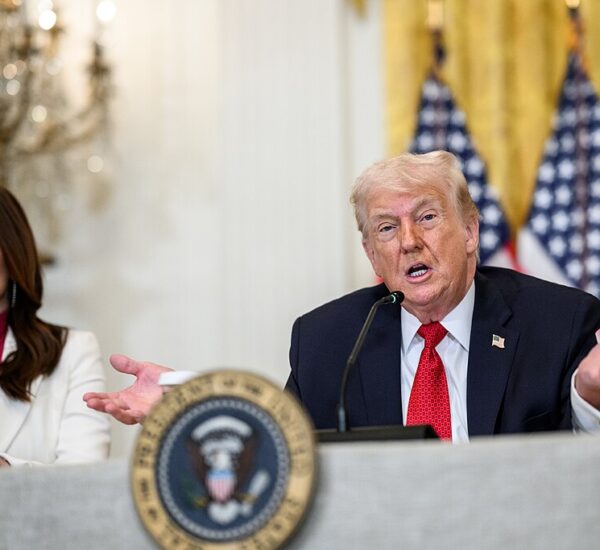
The report’s traditional New Year’s Eve release follows a year marked by President Trump’s return to the White House and a sharp increase in legal challenges to executive actions. Hundreds of cases were filed in federal courts, with many lower-court judges issuing injunctions that temporarily blocked federal policies.
Approximately 30 of those cases reached the Supreme Court of the United States through its emergency docket, where the administration frequently prevailed.
These rulings contributed to heightened debate within the judiciary. Some public officials criticized lower-court decisions, while several judges expressed concern over the Supreme Court’s emergency orders and the limited explanations that sometimes accompanied them.
Despite these tensions, Roberts chose not to address the disputes directly. While the chief justice traditionally avoids referencing specific cases or political figures in his annual reports, the omission was notable given that recent reports addressed timely institutional challenges.
In 2024, Roberts warned about threats against judges and cautioned against rhetoric that could undermine public confidence in the courts. In 2023, he examined the opportunities and risks posed by artificial intelligence in the legal system.
This year, Roberts came closest to acknowledging national division by quoting former President Calvin Coolidge, who once observed that Americans could find stability in the Declaration of Independence and the Constitution during periods of political strain.
“True then; true now,” Roberts wrote, concluding his report with a customary expression of gratitude to judges and court staff nationwide.