Trump Team Calls Out Europe
U.S. Ambassador to NATO Matthew Whitaker is calling out European leaders for what he sees as a lack of backbone in supporting President Donald Trump’s response to rising tensions with Iran.
In a Monday appearance on Newsmax’s “Ed Henry: The Big Take,” Whitaker sharply criticized several U.S. allies, arguing that their hesitation could undermine global stability at a critical moment.
Europe Accused of “Talking, Not Acting”
Whitaker suggested that many European governments are more comfortable discussing problems than solving them.
“This is something we’ve seen for years,” Whitaker said. “They tend to admire problems, talk about them—but when it comes time to act, they hesitate.”
His comments reflect growing frustration among Trump allies who believe the United States continues to shoulder the majority of global security responsibilities.
“They Want the Benefits—Not the Risk”
Whitaker went further, accusing some allied nations of expecting protection without contributing in meaningful ways.
“There’s a mindset where some countries want peace and stability handed to them,” he explained, “without being willing to take risks to achieve it.”
Supporters of President Trump say this moment highlights the difference between strong leadership and political caution.
Strait of Hormuz Crisis Raises Global Stakes
The situation comes as Iran has escalated tensions by targeting the Strait of Hormuz—a critical global shipping route responsible for roughly 20% of the world’s oil and liquefied natural gas supply.
Recent attacks involving drones, missiles, and naval mines have disrupted tanker traffic, raising concerns about energy prices and global supply chains.
President Trump is now urging allied nations to step in and help secure the vital waterway.
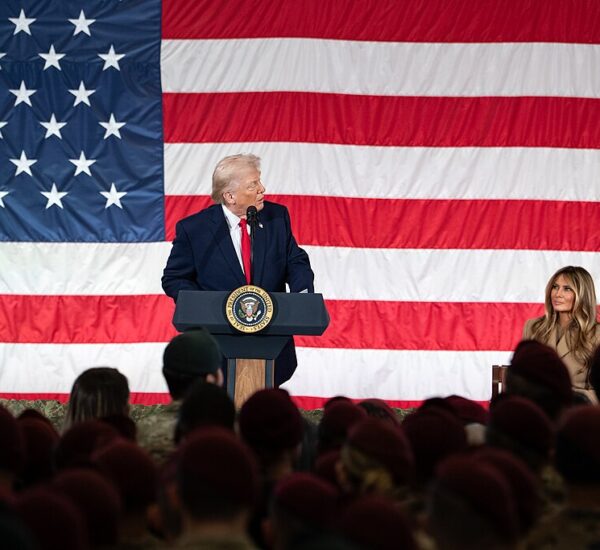
“Some countries are very enthusiastic, and some aren’t,” Trump said at the White House. “We’ve protected many of them for years—and the level of enthusiasm matters.”
Trump’s Strategy: Strength Now for Peace Later
Whitaker defended the administration’s actions, arguing that confronting Iran directly is necessary to prevent a larger crisis.
He pointed to Iran’s aggressive behavior in the region and ongoing nuclear ambitions as key reasons for taking action now.
“President Trump knew the status quo wasn’t acceptable,” Whitaker said. “Iran has been threatening its neighbors and trying to gain leverage through nuclear development. Action had to be taken.”
Short-Term Uncertainty, Long-Term Gains?
While critics are focused on immediate risks, Whitaker urged Americans to take a longer view.
“We’re only a couple of weeks into this,” he said. “There’s concern about the short term—but as this unfolds, you’re going to see a major shift in the Middle East.”
He expressed confidence that the results will become clear in the coming weeks.
A Defining Moment for U.S. Leadership
Whitaker concluded by emphasizing that President Trump’s approach could reshape the region for years to come.
“I believe we’re going to see a dramatic improvement compared to where we were just weeks ago,” he said.
Bottom Line
As tensions with Iran continue to rise, the contrast between U.S. leadership and Europe’s cautious approach is becoming more visible.
Supporters argue that decisive action now could prevent a much larger crisis later—while others remain hesitant to get involved.
The outcome may determine not only the future of the Middle East—but also the strength of global alliances moving forward.