US Ambassador’s Warning To NATO
The debate over NATO defense spending is heating up again — and this time, the United States is drawing a clear line.
At the Munich Security Conference, U.S. Ambassador to NATO Matt Whitaker delivered a message that many American taxpayers have been waiting to hear: NATO must be built on strong allies — not dependents.
For years, critics have warned that the United States carries a disproportionate share of NATO’s financial burden. Now, that frustration is front and center.
The 5% NATO Defense Spending Requirement Explained
Under NATO’s updated long-term framework, member nations are expected to raise defense spending to 5 percent of gross domestic product (GDP) by 2035.
That’s a significant jump from the long-standing 2 percent benchmark — a target that many countries have struggled to meet.
The Czech Republic has publicly resisted increasing its defense spending beyond 2 percent, even as new NATO commitments push for higher contributions.
According to Whitaker, political campaign statements don’t always reflect strategic realities. Eventually, he suggested, every ally will need to make hard decisions about national security priorities.
And for many Americans — especially those who remember the Cold War and understand the cost of weakness — that message resonates.
Why NATO Burden-Sharing Matters to U.S. Taxpayers
The issue isn’t simply about percentages.
It’s about fairness.
The United States consistently leads NATO in defense spending, investing hundreds of billions annually into military readiness, modernization, and global deterrence.
Meanwhile, some European allies continue to lag behind agreed-upon targets.
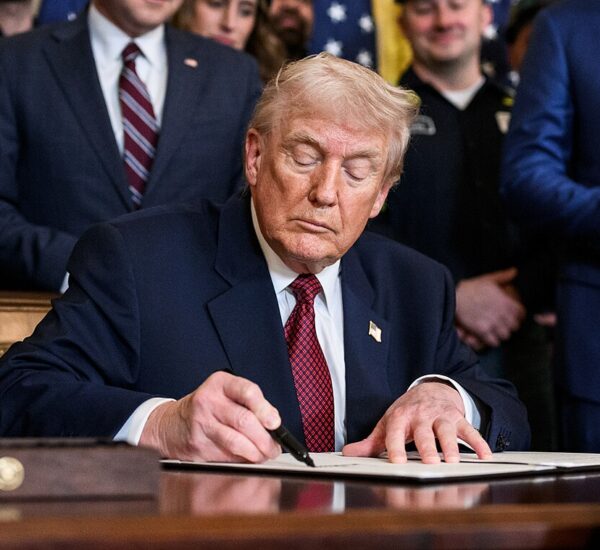
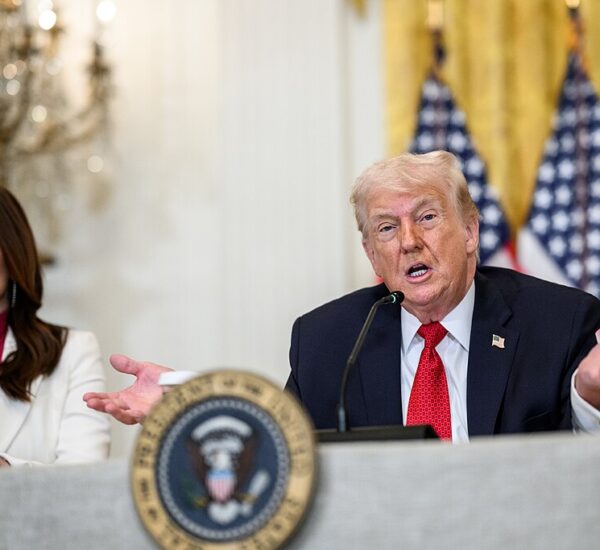
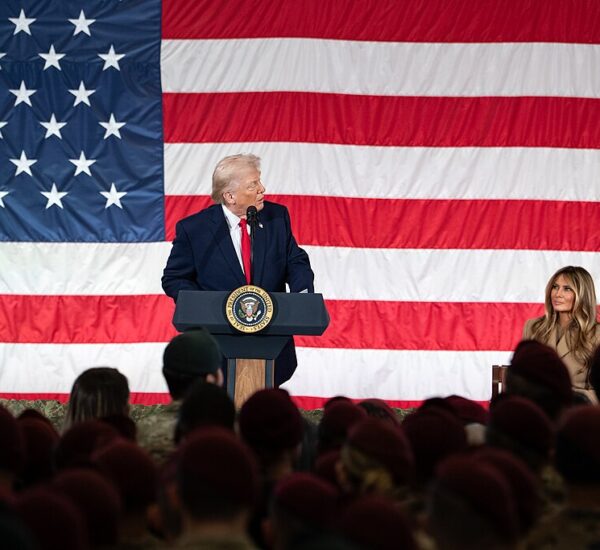
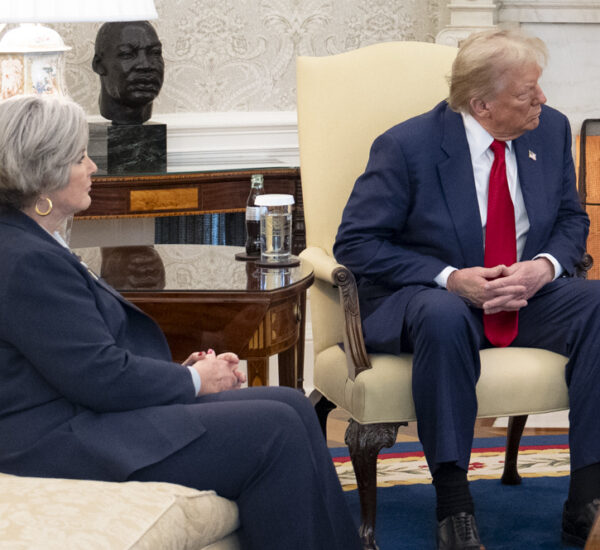
President Donald Trump has long argued that NATO allies must “pay their fair share.” That position sparked controversy years ago — but today, even more policymakers acknowledge the imbalance.
Whitaker reinforced that America is “leading from the front” — but leadership does not mean unlimited financial responsibility.
In plain terms: American taxpayers should not be the safety net for wealthy European nations unwilling to fully fund their own defense.
Ukraine Mission Funding Shortfalls Raise Concerns
The debate also extends to NATO’s Ukraine artillery initiative.
The alliance aims to secure €5 billion for artillery rounds to support Ukraine. However, reports indicate the Czech Republic has secured only about €1.4 billion so far.
In a time of rising global tensions — from Eastern Europe to the Indo-Pacific — funding shortfalls send the wrong message.
Security commitments must be backed by real investment.
America Is Not Leaving NATO — But Expectations Are Changing
Despite media speculation suggesting the United States might reduce its European footprint, Whitaker made one thing clear:
America is not abandoning Europe.
The United States remains fully engaged in NATO.
But the era of passive participation is over.
Whitaker emphasized that America is investing heavily in advanced capabilities, readiness, and interoperability. European partners are expected to match that seriousness — becoming more capable, more disciplined, and more lethal if necessary.
The goal is unity through strength.
Not unity through dependency.
A Defining Moment for the Future of NATO
As NATO approaches its next decade, the alliance faces a strategic crossroads.
Will every member nation meet the 5 percent defense spending target by 2035?
Or will uneven contributions continue to strain the partnership?
For many Americans over 50 — who have seen decades of geopolitical shifts — the answer matters.
Strong alliances deter war.
Weak alliances invite instability.
The United States has made its position clear: shared security requires shared sacrifice.
And as global threats continue to evolve, the pressure for true NATO burden-sharing is unlikely to fade anytime soon.