GOP Facing Huge Divide
A major clash inside the Republican Party is unfolding in Washington—and it could have serious consequences for border security, government funding, and the direction of the GOP moving forward.
House Speaker Mike Johnson is drawing a hard line.
Johnson Rejects Senate Plan, Citing Border Concerns
Speaker Mike Johnson forcefully rejected a Senate-backed deal to fund the Department of Homeland Security (DHS), warning that it fails to prioritize one of the most urgent issues facing the country: border enforcement.
The Senate proposal would fund agencies like TSA, FEMA, and the Coast Guard immediately—but delays funding for Immigration and Customs Enforcement (ICE) and Border Patrol.
For House Republicans, that’s a dealbreaker.
Johnson made it clear the House will not accept any agreement that separates border enforcement from broader DHS funding.
Why ICE Funding Is the Breaking Point
At the center of the dispute is a growing concern among conservatives that delaying ICE and Border Patrol funding weakens national security.
House Republicans have consistently pushed for:
- Stronger immigration enforcement
- Immediate funding for border security operations
- Policies that prevent what they describe as “open border” conditions
Many lawmakers argue the Senate’s approach mirrors long-standing Democratic proposals that tie enforcement funding to future negotiations—something conservatives have repeatedly opposed.
GOP Division Moves Into the Spotlight
While disagreements between the House and Senate are nothing new, this situation is different.
It highlights a deeper divide within the Republican Party—one between lawmakers willing to compromise and those determined to hold firm on border security.
House Majority Leader Steve Scalise acknowledged the gap, saying the two chambers are currently “in very different places.”
Behind the scenes, some House Republicans were reportedly caught off guard by how quickly the Senate pushed the deal through.
Freedom Caucus and Conservatives Back Johnson
Conservative lawmakers quickly rallied behind Johnson’s decision.
Members of the House Freedom Caucus strongly opposed the Senate bill, arguing it fails to fully fund border enforcement and does not go far enough to secure U.S. borders.
Their message is simple: no border funding delays, no deal.
This marks a notable shift, as House leadership—often pressured by conservatives—is now aligned with them in taking a tougher stance.
Trump Signals Opposition to Senate Deal
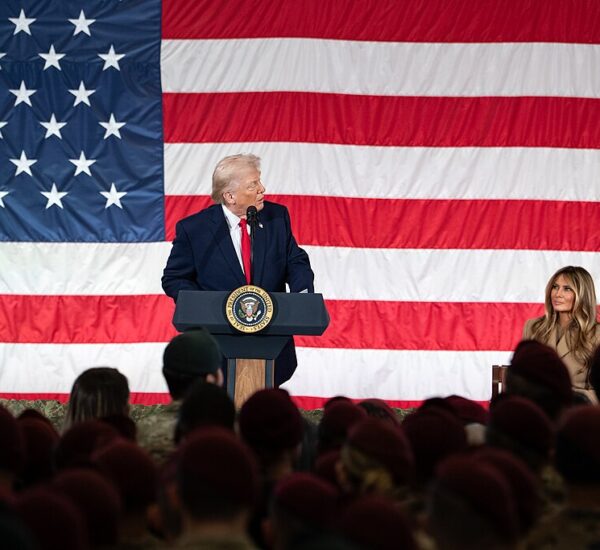
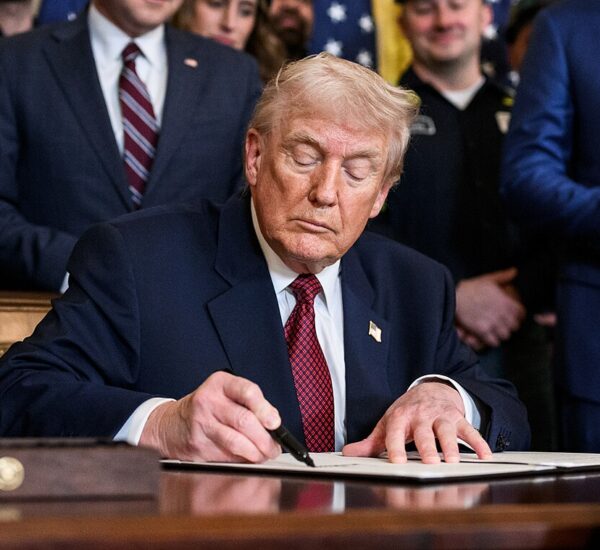
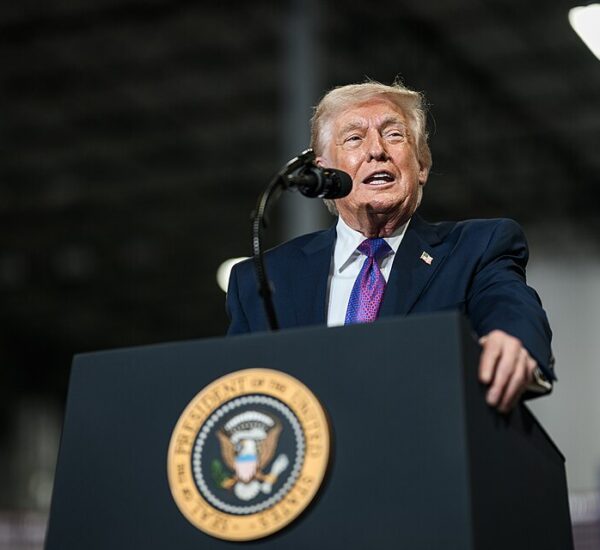
President Donald Trump also weighed in, criticizing the Senate proposal and signaling support for the House’s approach.
His position carries significant weight among Republican voters and lawmakers, making it far less likely that House Republicans would break ranks to pass the Senate deal.
Instead, Johnson is backing an alternative plan: a short-term funding extension that keeps all DHS operations—including border enforcement—fully funded.
Political Risks—and Strategic Timing
Rejecting a Senate-passed deal does come with risks.
Some moderates worry Republicans could be blamed if negotiations stall. However, House leaders appear confident that voters—especially those concerned about immigration—will support their position.
Another key factor: efforts are already underway to ensure TSA operations continue, meaning travelers may not feel immediate disruptions.
That could reduce public pressure and give Republicans more room to negotiate.
A Defining Test for GOP Leadership
This showdown is about more than just a funding bill.
It’s a test of priorities.
Should Republicans accept partial victories to keep the government running smoothly—or stand firm on key issues like border security?
For Speaker Johnson and many House conservatives, the answer is clear.
They’re choosing to hold the line.
And as this battle unfolds, it could shape not only the outcome of DHS funding—but also the future direction of the Republican Party heading into the next election cycle.