America’s auto industry is facing a growing crisis—and now one of its biggest names is asking President Donald Trump for help.
But this time, the administration isn’t rushing to step in.
Ford Sounds the Alarm Over Aluminum Shortage
U.S. auto giant Ford Motor Company has reportedly requested temporary relief from aluminum tariffs as supply chain problems threaten production.
The issue traces back to a major disruption at a key American supplier, where fires forced a shutdown that is still impacting output months later.
According to reports, Ford and other automakers have been in discussions with the administration, seeking short-term flexibility until domestic supply stabilizes.
Critical U.S. Plant Still Offline
The problem centers on a facility run by Novelis in Oswego, New York.
This plant is the largest supplier of aluminum sheets in the United States automotive industry, making it essential for vehicle manufacturing—especially for trucks and SUVs.
After two fires last year, the plant has struggled to return to full capacity and is not expected to fully recover until at least June.
That delay is creating a ripple effect across the industry.
Why This Matters for American Drivers
Ford’s popular vehicles—especially its aluminum-heavy trucks like the F-150—depend on steady access to these materials.
With supply constrained, automakers are facing:
- Higher production costs
- Potential slowdowns in manufacturing
- Increased reliance on foreign aluminum
That last point is where things get complicated.
Trump Administration Stands Firm on Tariffs
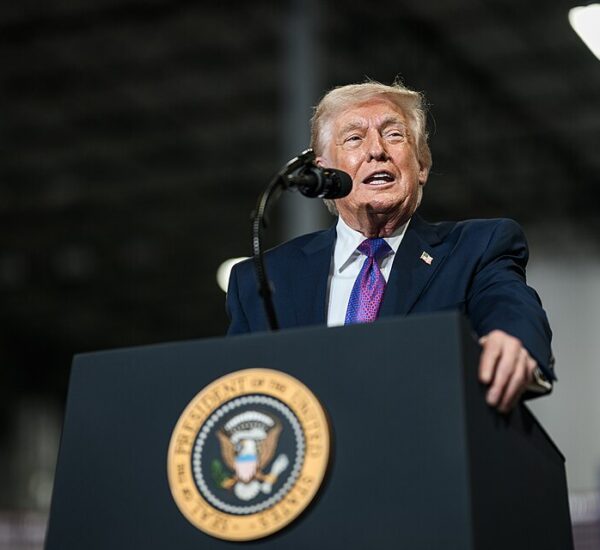
Despite industry pressure, the Trump administration has not approved new tariff relief.
Officials have pointed out that automakers already received partial relief in the past, including the ability to recover some costs tied to earlier import duties.
A White House official emphasized that the administration remains focused on:
- Strengthening U.S. manufacturing
- Reducing reliance on foreign supply chains
- Protecting national economic security
In short, the policy isn’t changing easily.
Foreign Imports Come at a Higher Cost
To fill the gap, Novelis has turned to overseas facilities in Europe and South Korea.
However, those imports now face tariffs as high as 50%, making them significantly more expensive.
Other major automakers like General Motors and Stellantis are also feeling the impact—but Ford appears to be among the most exposed due to its heavy use of aluminum.
A Bigger Battle Over ‘America First’ Policies
This situation highlights a broader issue in today’s economy:
Should the government ease restrictions when companies face short-term challenges—or stay committed to long-term goals?
Supporters of President Trump argue that maintaining tariffs is essential to rebuilding American industry and preventing dependence on foreign materials.
Critics say the policy could increase costs for U.S. companies and consumers in the near term.
Bottom Line
Even America’s largest corporations are discovering that under President Trump, economic policy is focused on long-term strength—not short-term convenience.
And for now, it looks like the administration is holding the line.