The United Nations is sounding the alarm after President Donald Trump introduced a bold new idea that could reshape global trade, energy markets, and national security.
At the center of the controversy is the Strait of Hormuz—one of the most important shipping lanes on Earth.
And now, the debate is escalating fast.
Trump’s Plan Could Transform Global Trade
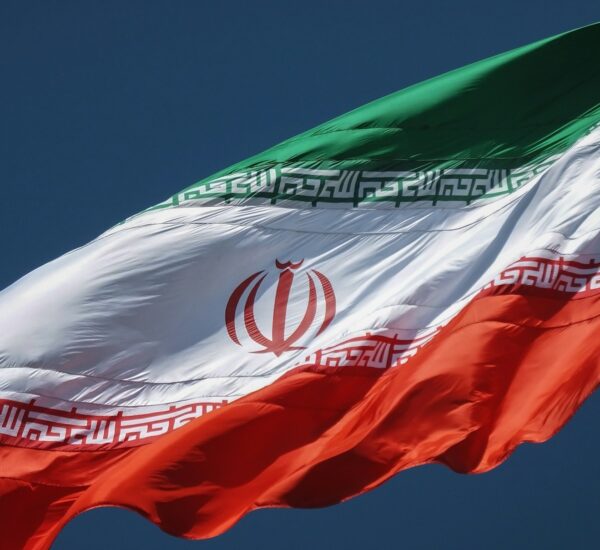
During a recent interview, President Trump revealed that his administration is exploring a joint U.S.–Iran initiative that could introduce tolls for ships passing through the Strait of Hormuz.
According to Trump, the plan is about security, stability, and economic opportunity.
“We’re considering structuring it as a cooperative effort… it would also help ensure security,” Trump said.
The proposal comes just after a ceasefire agreement with Iran—raising hopes that the region could shift from conflict toward controlled cooperation.
For American energy consumers and investors, the implications could be enormous.
UN Issues Warning Over ‘Dangerous Precedent’
Not everyone is on board.
Officials connected to the United Nations’ maritime authority quickly pushed back, warning that charging tolls in international waters could disrupt decades of global trade policy.
Their concern? If one nation—or group of nations—starts charging fees in key shipping lanes, others may follow.
That could mean:
- Higher global shipping costs
- Increased oil prices
- Supply chain disruptions worldwide
In short, what starts in the Middle East could hit American wallets fast.
Global Leaders Push Back Hard
Greek Prime Minister Kyriakos Mitsotakis also weighed in, making it clear that major shipping nations are unlikely to accept new fees.
Greece controls one of the largest commercial shipping fleets in the world, giving it major influence over global maritime policy.
Mitsotakis warned that introducing tolls would be “completely unacceptable” and could spark serious international backlash.
Why This Waterway Matters to Every American
The Strait of Hormuz isn’t just another overseas location—it’s a critical artery for the global economy.
Every single day:
- Roughly 20 million barrels of oil pass through it
- Nearly 20% of the world’s LNG supply flows across it
Any change in how that route operates can directly affect:
- Gas prices
- Inflation
- Retirement portfolios
- U.S. energy independence
This is why the situation is being watched so closely in Washington and on Wall Street.
Trump Sees Opportunity Where Others See Risk
Despite the criticism, President Trump remains confident the plan could deliver results.
In a post on Truth Social, he emphasized economic growth, regional stability, and strong American involvement in securing the waterway.
Trump suggested the U.S. could:
- Help manage shipping traffic
- Support reconstruction in the region
- Ensure stability while generating revenue
His message was clear: America should lead—not sit on the sidelines.
The Bigger Picture
This debate isn’t just about tolls—it’s about who controls global trade routes in a rapidly changing world.
With energy markets, foreign policy, and national security all on the line, the outcome could shape the global economy for years to come.
And as always, the biggest question remains:
Will this move strengthen America’s position—or trigger a new wave of international resistance?