
Trump has made his stance crystal clear.
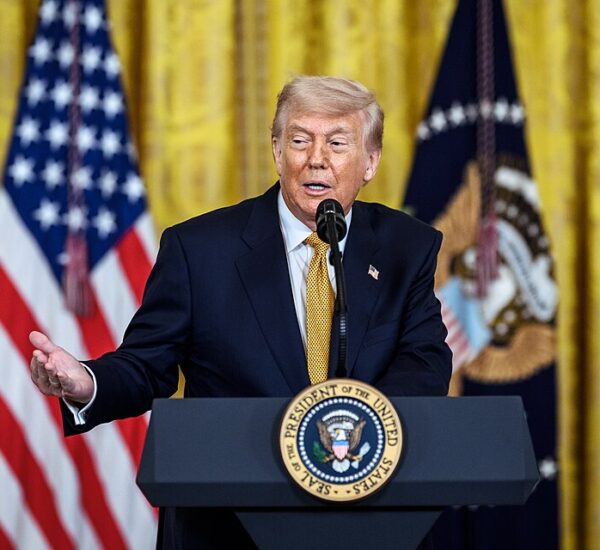
President Donald Trump is sending a clear and forceful warning as the Iran war stretches into its 52nd day: he will not be pressured into a weak or rushed deal.
With tensions rising overseas and political pressure building in Washington, Trump is doubling down on a strategy focused on strength, leverage, and results—not deadlines.
Trump Refuses to Back Down
In a blunt interview, Trump criticized both Democrats and Republicans who are urging a quick end to the conflict.
According to the president, pushing for a deal too early only benefits Iran—especially at a time when the regime is under heavy military and economic pressure.
Trump argued that the United States currently holds the upper hand, and walking away too soon could squander a rare opportunity to secure a lasting victory.
Iran Under Pressure as U.S. Tightens Grip
The Trump administration has significantly escalated pressure on Iran in recent days.
After early peace talks failed to produce results, the U.S. moved forward with a naval blockade targeting Iranian ports, cutting off critical supply lines and increasing economic strain.
At the same time, Trump revealed that Iran may already be signaling willingness—behind closed doors—to make major concessions, including:
- Abandoning nuclear weapons ambitions
- Giving up large stockpiles of enriched uranium
Publicly, however, Iranian leaders continue to resist, creating a high-stakes standoff.
Washington Divided as War Continues
As the conflict drags on, pressure is building in Congress—particularly as it approaches limits set by the War Powers Resolution of 1973.
Some Republicans are now calling for clarity on how the war will end.
Josh Hawley warned that “the clock is ticking,” emphasizing concerns about rising costs and the impact on American energy prices.
Meanwhile, Senate Majority Leader John Thune indicated lawmakers are closely watching the administration’s next steps—especially any request for additional war funding.
Democrats, on the other hand, remain largely united in opposition, criticizing both the scope and duration of the operation.
Military Action Sends a Message
Even as political debate intensifies, U.S. military operations continue at full strength.
Over the weekend, American forces seized an Iranian tanker attempting to break through the blockade—a clear signal that enforcement actions are not slowing down.
The conflict, which began after a joint U.S.-Israeli strike in late February, was initially expected to be short. Instead, it has evolved into a broader confrontation with global implications.
Why Trump Isn’t Worried About Legal Challenges
While critics point to the War Powers Act, history suggests presidents often retain wide latitude during military conflicts.
Courts have repeatedly declined to step in—including during military actions under Barack Obama—leaving Congress with limited tools beyond funding decisions.
That reality gives Trump room to continue applying pressure without immediate legal roadblocks.
What Happens Next Could Be Critical
With negotiations expected to resume soon, the next phase of the Iran war could determine whether the U.S. secures a major strategic win—or faces prolonged conflict.
Trump’s message is unmistakable: America will negotiate from strength, not weakness.
And for millions of Americans watching closely—especially those concerned about national security, energy prices, and global stability—the stakes couldn’t be higher.
Bottom Line
President Trump is holding firm, resisting political pressure, and betting that sustained military and economic pressure will force Iran to the table on U.S. terms.
The question now: Will that strategy deliver a decisive outcome—or extend the conflict even further?


So these Democrats and RINO’S, that are willing to pull the finances away from a war situation, are also willing to put USA troops in danger. Nobody likes going to war, that’s totally obvious, but when someone is trying to build a gun, that everyone knows once he’s got it, he will point it at the world, holding the world to ransom, nobody in their right mind, would ever hand him the tools, to complete his goals.
The question they need to ask themselves is, why the hell do they want a Nuclear Weapon? Unfortunately there’s only one answer to that question, dominance in that part of the world first, secondly to threaten the Western world, but the only solution left will be to strike at Iran first will a Nuclear Weapon, I pray for the innocent people of Iran, but in a world of Nuclear weapons in the hands of totally insane tyrants, hard decisions have to be made, but the door is closing very fast if we don’t act now before they get their nuclear weapons, regardless of the cost in lives and money, because if nothings done now, it’s good bye world! People should remember history has the habit of repeating itself, remember the last European leader that believed he could rule the world, the powers at be did nothing to stop him, that mistake cost approximately 60 million lives and that was without nuclear weapons until the very end!