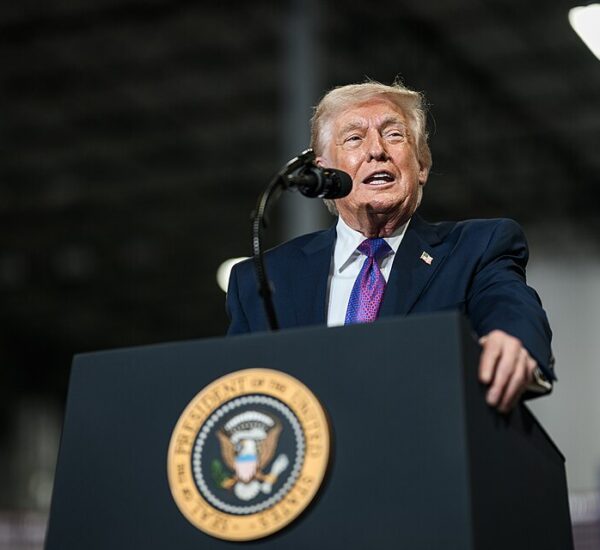
Trump is clearly getting under Newsom’s skin and it’s hilarious.
California Governor Gavin Newsom recently revealed what he described as a surprising late-night phone call from President Donald Trump — a conversation that centered around one of Trump’s most talked-about nicknames.
The exchange, which Newsom says happened in 2025, is now drawing renewed attention as political tensions between Washington and California continue to rise.
The 1:30 A.M. Phone Call
During an appearance on The Rest Is Politics podcast, Newsom shared that President Trump called him around 1:30 in the morning. Initially hesitant to answer, the governor later returned the call after realizing it was from the president.
According to Newsom, Trump got straight to the point.
“What do you think of Newscum?” the president allegedly asked, referring to the nickname he has frequently used in speeches and public remarks. “Pretty original, right?”
Newsom claimed he laughed and told Trump that the nickname wasn’t new at all, saying classmates used the same wordplay when he was in middle school.
Whether humorous or strategic, the moment highlights President Trump’s well-known communication style — one that has defined political opponents with memorable branding.
Trump’s Messaging Strategy
President Trump has long used sharp, repeatable nicknames as part of his political strategy. Supporters argue that this approach cuts through media noise and keeps attention focused on leadership accountability.
Over the years, Trump has used similar tactics in high-profile political battles, especially when criticizing what he views as failed state leadership or weak policy decisions.
For many conservative voters — particularly Americans over 50 who prioritize economic stability, border security, and public safety — messaging matters. Clear contrasts between leadership styles often shape political loyalty more than policy white papers.
California Under Gavin Newsom
The nickname controversy also comes amid ongoing debates over California’s direction under Governor Newsom.
The state continues to face:
- Rising cost of living
- Population shifts
- Homelessness concerns
- Crime debates in major cities
- Business relocation to lower-tax states
Critics argue that California’s regulatory environment and progressive policies have contributed to economic strain. Supporters of Newsom counter that the state remains one of the largest economies in the world and a leader in technology and innovation.
Regardless of perspective, California’s performance frequently becomes a national talking point — especially when contrasted with policies championed by President Trump.
Why This Story Resonates in 2026
As America heads deeper into another heated political cycle, moments like this reflect more than just personality clashes. They illustrate the broader ideological divide shaping the country.
For voters over 50 — many of whom are deeply engaged in debates over retirement security, inflation, taxes, and national stability — leadership tone and accountability carry significant weight.
President Trump’s direct communication style continues to energize supporters who believe Washington needs disruption rather than diplomacy.
Meanwhile, Newsom remains one of the most visible Democratic governors in the country, frequently mentioned in national political discussions.
The Bigger Political Picture
While the nickname itself may seem minor, the exchange underscores a deeper reality: in modern politics, messaging is power.
A single phrase can dominate news cycles, shape narratives, and influence public perception. And in an era where media coverage spreads instantly across television, podcasts, and social platforms, even a late-night phone call can become a national headline.
One thing is certain — when President Trump speaks, the country listens.