Trump has made the right decision.
The Trump administration is preparing a sweeping new policy that would require all foreign visitors from visa-waiver countries to submit five years of social media history before entering the United States.
This major change marks one of the administration’s strongest steps yet toward tightening border security, protecting Americans, and preventing terrorism in an era of rising global threats.
A New Layer of Screening for Travelers Entering America
U.S. Customs and Border Protection announced that the new rule would apply to travelers seeking electronic travel authorization, which currently lets visitors from 42 countries spend up to 90 days in the U.S. without a traditional visa.
Under the proposed rule, applicants would be required to submit:
- All personal and business phone numbers from the past five years
- All email addresses used in the last ten years
- Five years of social media accounts and handles
- Names and addresses of immediate family members
For millions of Americans concerned about border security, this enhanced screening is viewed as long overdue.
Why This Rule Matters Now
The changes are expected to take effect early next year—timed just ahead of a massive influx of foreign visitors arriving for the World Cup.
Trump officials say the purpose is simple: Know who is coming into the country before they arrive.
With rising global instability, critics of weak immigration policies argue this rule will help prevent individuals with anti-American views, extremist ties, or criminal backgrounds from slipping through the cracks.
Who Is Affected by the New Requirements?
Countries in the visa-waiver program include major U.S. allies such as: Australia, France, Germany, Ireland, Israel, Italy, Japan, New Zealand, Poland, South Korea, Spain, Sweden, Taiwan, and the United Kingdom.
Although these countries are long-standing partners, Trump’s national security team maintains that strong vetting must apply to everyone, not just high-risk regions.
Predictable Backlash From Free-Speech Activists
Left-leaning advocacy groups immediately criticized the proposal.
They claim that requiring social media history may discourage free expression and create “self-censorship.”
But national security experts note that online behavior is one of the clearest indicators of risk, and the U.S. has an absolute right to protect its borders.
Many conservative Americans agree: If you want to visit the United States, transparency is the minimum requirement.
Trump Has Already Tightened Visa Security
The administration already conducts online reviews for:
- H-1B skilled worker visas
- Student visas
- Cultural and educational exchange applicants
- Professors, researchers, and trainees
A State Department memo earlier this year instructed officials to flag anyone showing:
- Hostility toward American citizens
- Support for terrorism
- Antisemitic violence
- Rejection of U.S. values and founding principles
These updates reflect a broader policy shift: America comes first.
New Visa Fee Adds Another Layer of Screening
On October 1, the Trump administration added a $250 visa fee for visitors from countries outside the waiver program—including China, India, Mexico, and Brazil.
Officials say the added cost helps fund increased screening, security checks, and fraud prevention.
A Policy Built for One Goal: Protecting Americans
For older Americans who watched the country change over decades—from 9/11 to rising global terrorism—this new rule represents a return to strong, unapologetic national security.
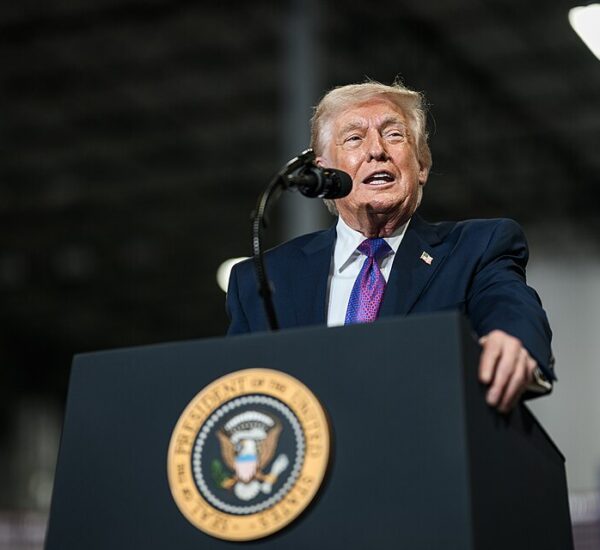
President Trump has made it clear: America will no longer take unnecessary risks at the border. Visitors must prove they respect our laws, our values, and our way of life.
This policy delivers exactly that.