This is unacceptable.
A growing controversy involving U.S. Border Patrol agents, immigration enforcement, and one of America’s largest convenience store chains is drawing national attention — and the Trump administration is demanding answers.
In late January, U.S. Border Patrol Commander Gregory Bovino and federal agents were reportedly denied service at a Speedway gas station in Minneapolis, Minnesota. Speedway operates under the 7-Eleven corporate umbrella.
Now, the federal government is reviewing whether that decision could impact 7-Eleven’s access to a major federal fuel payment program.
Trump Administration Requests Formal Explanation
On February 5, Michael Lynch, deputy administrator of the General Services Administration (GSA), sent a formal letter to 7-Eleven Chief Operating Officer Doug Rosencrans requesting information about the incident.
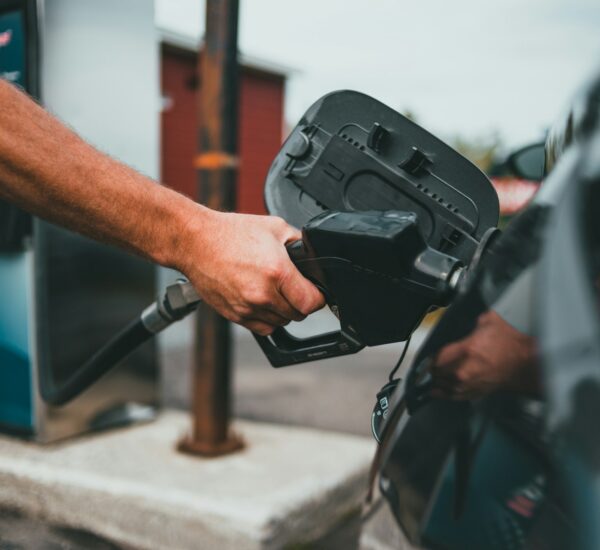
The GSA oversees federal fleet operations, including the GSA SmartPay Fleet Card program, which allows federal agencies — including the U.S. Department of Homeland Security (DHS) — to purchase fuel and vehicle-related services.
According to the letter, the reported denial of service raises serious concerns about whether federal law enforcement officers can reliably access fuel and necessary supplies while performing official duties.
For federal vehicle operators, access to participating fuel stations is not optional — it is operationally critical.
What Is the GSA Fleet Card Program?
The GSA SmartPay Fleet Card is the mandatory fuel payment method for non-tactical federal vehicles.
It is accepted at approximately 95% of fuel stations nationwide across:
- All 50 states
- U.S. territories
- Canada
Federal agencies rely on the program to keep vehicles operational for:
- Border security missions
- Immigration enforcement
- Homeland security operations
- Federal law enforcement travel
If a participating retailer refuses service to federal agents using authorized fleet cards, the issue moves beyond politics — it becomes a federal operational concern.
The GSA has now asked 7-Eleven to provide:
- Details of any internal investigation
- Clarification on whether fuel purchases were denied
- Information about employee training regarding federal payment acceptance
Viral Video Fuels National Debate
The controversy intensified after a video shared online showed Commander Bovino leaving the Speedway location while a store manager allegedly stated that he did not support ICE and that no one in the store did either.
The footage quickly circulated on social media, prompting debate about whether private businesses should refuse service to federal immigration officers based on political views.
For many Americans — particularly those who support stronger border enforcement under President Trump — the incident raises a fundamental question:
Should businesses that participate in federal payment programs be allowed to deny service to federal agents carrying out lawful duties?
Similar Incidents Raise Broader Concerns
This is not the first recent situation involving immigration agents being denied service.
Earlier this year, the GSA removed a Hampton Inn location in Lakeville, Minnesota, from its approved lodging list after federal immigration officers were reportedly denied accommodations.
A McDonald’s franchise in downtown Minneapolis also drew scrutiny after signage appeared stating that ICE and CBP agents were not welcome. Corporate leadership later instructed the franchisee to remove the sign.
These incidents have sparked broader discussions about:
- Corporate neutrality
- Law enforcement access to essential services
- The role of politics in private business decisions
- Federal contractor obligations
Could 7-Eleven Lose Its Federal Fleet Partnership?
While 7-Eleven has not publicly responded to the GSA’s inquiry, the agency made clear that cooperation will determine next steps.
The GSA stated it values partnerships with merchants who support federal operations but indicated that program participation could be reevaluated if warranted.
For a company operating thousands of fuel locations nationwide, access to federal fleet purchasing programs represents significant business volume.
Any disruption could have financial and reputational consequences.
Why This Matters to Americans 50+
For many older Americans who prioritize law, order, and national security, the issue touches on deeper concerns:
- Respect for federal officers
- Border security enforcement
- Fair access to essential services
- Whether political activism belongs in customer service decisions
Under President Trump’s continued focus on immigration enforcement and border security policy, this case may become a defining example of how corporate America interacts with federal authority.
The outcome could set precedent for how businesses balance political expression with federal contractual obligations moving forward.
Bottom Line:
The Trump administration is seeking clarity. The GSA is reviewing its partnership. And one viral incident has triggered a national debate about immigration enforcement, corporate responsibility, and access to essential services.
More updates are expected as the review continues.