
This was surprising to see.
Tensions between the United States and Iran escalated sharply over the weekend after a senior Iranian official issued a direct warning involving American military forces stationed overseas.
Iranian Foreign Minister Abbas Araghchi said Saturday that Iran would strike U.S. military bases throughout the Middle East if American forces were to launch an attack against Iranian territory, according to reporting from Reuters.
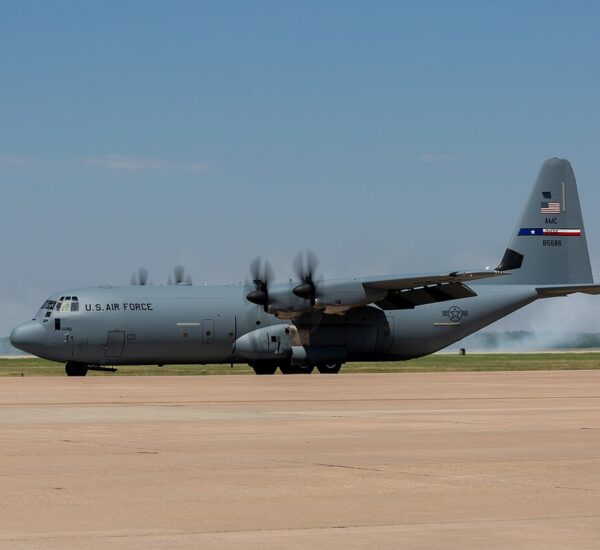
The remarks raised immediate concerns about the safety of U.S. troops deployed across the region and signaled a hardening tone from Tehran despite ongoing diplomatic discussions.
Araghchi’s comments came just one day after he publicly described indirect nuclear talks with the United States in Oman as a “positive beginning.” He said both sides appeared to agree that negotiations should move forward, though no formal breakthroughs were announced.
However, speaking during a televised interview with Al Jazeera, Araghchi made clear that any future conflict would involve American military targets abroad rather than U.S. soil. He emphasized that Iran would avoid striking neighboring countries directly but would instead focus on U.S. bases operating within those nations.
His warning follows last year’s U.S. military operation against Iranian nuclear facilities, known as Operation Midnight Hammer, which significantly heightened regional tensions.
Iran responded at the time by launching missiles toward Al Udeid Air Base in Qatar, a major hub for U.S. military operations in the Middle East. President Donald Trump later downplayed the attack, stating that the vast majority of the missiles were intercepted and posed no serious threat.
In a statement posted on Truth Social, President Trump said Iran’s response had been anticipated and described it as ineffective. He noted that U.S. defensive systems successfully neutralized nearly all incoming missiles and that no American service members were harmed.
While military tensions remain high, diplomatic efforts are continuing. Araghchi said further progress in nuclear negotiations will depend on internal consultations within both governments before decisions are made on how talks will proceed.
Oman has emerged once again as a key intermediary. The Foreign Ministry of Oman confirmed that Omani Foreign Minister Badr al-Busaidi held separate meetings on Friday with Iranian officials and U.S. representatives, including special envoy Steve Witkoff and Jared Kushner.
According to the ministry, discussions focused on creating the conditions necessary to resume diplomatic and technical negotiations, with an emphasis on long-term regional security and stability.
As President Trump continues to confront mounting threats abroad while pursuing diplomatic solutions, Iran’s latest warning underscores the ongoing dangers facing American troops—and the high stakes involved in maintaining peace through strength.

Blah, blah, blah. Iran is “all bark and no bite”.