Schiff loses again.
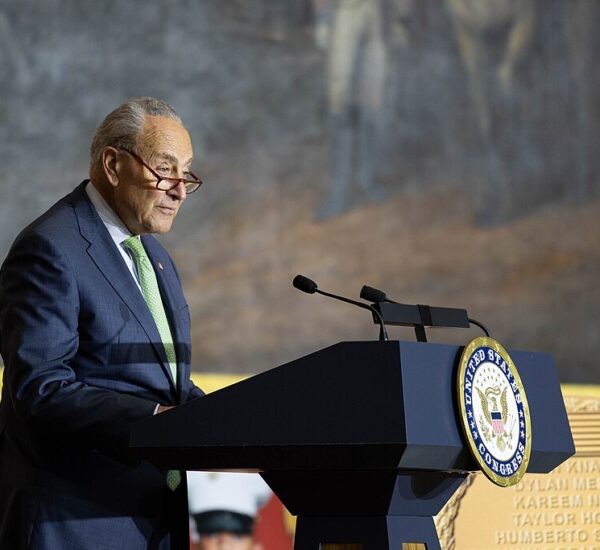
Senate Republicans dealt Sen. Adam Schiff, D-Calif., a major setback this week, blocking his attempt to force the public release of unedited, classified footage from a controversial U.S. military strike in the Caribbean.
The failed push marked another clash between congressional Democrats and President Donald Trump’s administration over national security, military transparency, and classified intelligence.
Dispute Over Caribbean Strike Footage
The dispute centers on a Sept. 2 U.S. military “double-tap” strike against an alleged drug-smuggling boat operating in the Caribbean. The operation has drawn criticism from Democrats, who have questioned whether the strikes complied with U.S. law and international norms.
Schiff attempted to use the recently passed National Defense Authorization Act (NDAA) as leverage. The massive defense bill included language requiring the Pentagon to provide Congress with unedited footage of certain military operations in exchange for funding related to Defense Department travel.
However, Schiff went further by introducing separate legislation specifically targeting the September strike. His proposal would have forced the Pentagon to release the raw footage to all members of Congress within 10 days and to the general public within 15 days.
Democrats Unhappy After Classified Briefing
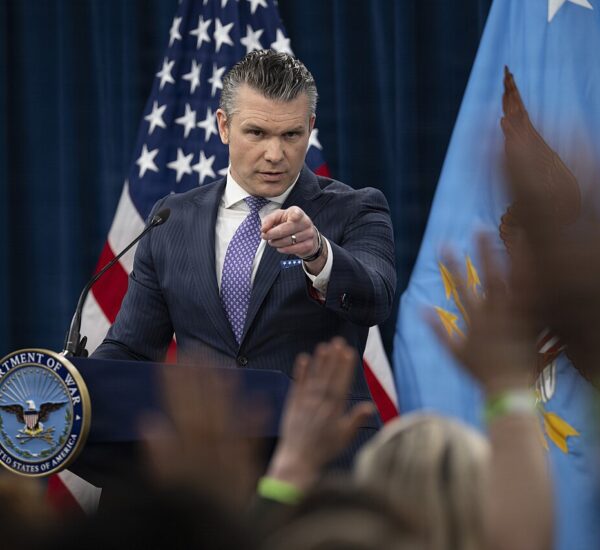
Earlier this week, Secretary of Defense Pete Hegseth and Secretary of State Marco Rubio briefed senators behind closed doors on the Caribbean operation. While lawmakers received detailed explanations, Democrats complained that they were not shown the unedited video footage.
Following the briefing, Schiff criticized the administration’s legal and strategic justification for the strike and argued that the public had a right to see the footage.
Republicans Push Back on Security Grounds
Sen. Markwayne Mullin, R-Okla., quickly shut down Schiff’s effort on the Senate floor. Mullin questioned Schiff’s motives and suggested the push was politically driven rather than rooted in genuine oversight concerns.
Mullin also noted that similar outrage was rarely expressed during the Obama administration, which carried out hundreds of drone strikes overseas with far less congressional scrutiny.
Republicans stressed that releasing unedited, classified military footage could compromise intelligence methods, reveal sensitive capabilities, and endanger U.S. personnel.
“There are serious risks when classified information is broadly distributed,” Mullin said, warning that leaks could occur if access is expanded beyond lawmakers with proper security clearances.
GOP Split on How Much to Release
While Senate Republicans blocked Schiff’s public release demand, many GOP lawmakers still support allowing limited access to the footage. Some favor sharing it with members of the Senate Armed Services and Intelligence committees under strict security rules.
Sen. Rand Paul, R-Ky., voiced frustration that other videos related to the strikes were released quickly, while this footage remains restricted. He argued that selective transparency raises legitimate questions.
Still, Republican leaders maintain that decisions involving classified military operations should not be dictated by political pressure or media demands.
Another Loss for Schiff Under Trump Era Leadership
For Schiff, the failed vote represents another high-profile defeat as Republicans continue to assert control over national security policy during President Trump’s administration.
The episode underscores a broader shift in Washington: Democrats no longer dominate the debate on military oversight, and Republican lawmakers remain firmly aligned with Trump’s approach to defense, intelligence, and executive authority.