The Trump White House is reportedly encouraging House Republicans to adjust how they talk about immigration enforcement as the country moves toward this fall’s midterm elections.
According to a report from Axios journalists Katie Santaliz and Marc Caputo, White House Deputy Chief of Staff James Blair privately advised House Republicans to shift their messaging away from the phrase “mass deportations.”
Instead, the administration is urging lawmakers to emphasize the removal of violent criminals who are in the United States illegally.
The discussion reportedly took place during a policy listening session with House Republicans at their annual retreat in Doral, Florida.
White House Encourages Focus on Violent Criminals
During the meeting, Blair reportedly suggested that Republican lawmakers highlight the administration’s efforts to deport dangerous offenders and protect American communities.
Rather than debating the broader concept of mass removals, the strategy appears aimed at focusing public discussion on public safety and criminal enforcement.
Political observers say the messaging adjustment may be designed to counter criticism from Democrats who have attempted to portray President Donald Trump’s immigration policies as overly broad.
By focusing on violent criminals, Republicans may hope to reinforce the argument that immigration enforcement is primarily about protecting American citizens and restoring law and order.
Immigration Remains a Core Issue for Trump
Immigration and border security have been central pillars of Donald Trump’s political platform for years.
During the 2024 campaign, Trump repeatedly promised strong action at the southern border and pledged to launch what he described as the largest deportation effort in U.S. history.
Those promises resonated strongly with voters concerned about illegal immigration, crime, and national security.
Many Americans—especially older voters—continue to rank border security and public safety among their top political concerns.
Controversies Have Complicated the Debate
Despite strong support from many voters, the immigration issue has also faced growing controversy.
Earlier this year, two enforcement incidents in Minneapolis drew significant national attention after federal agents fatally shot Alex Pretti and Renee Good during operations.
The incidents quickly became the focus of intense political debate.
Critics questioned enforcement tactics, while supporters of stronger border enforcement argued that the broader conversation should remain focused on protecting communities from dangerous offenders.
Homeland Security Leadership Change Raises Questions
The administration recently made a major leadership change at the Department of Homeland Security.
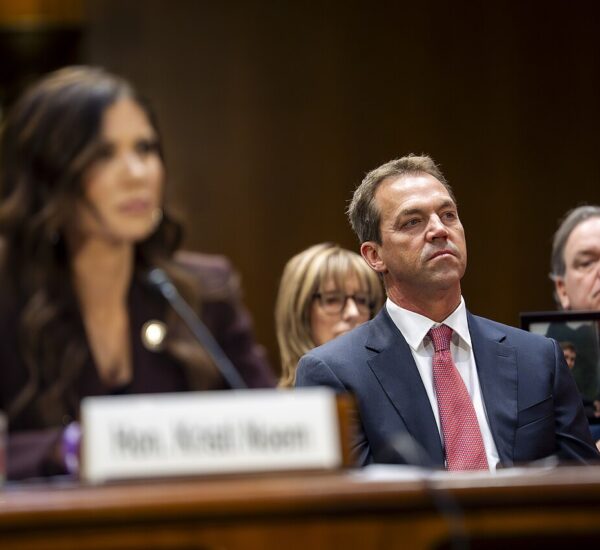
President Trump moved on from Homeland Security Secretary Kristi Noem, a move that sparked widespread discussion among political analysts and media commentators.
Some observers believe the leadership change reflects the administration’s effort to refocus immigration policy and messaging ahead of the midterm elections.
Polling Shows Shift in Public Opinion
During a recent television segment discussing immigration politics, CNN data analyst Harry Enten pointed to polling data showing changes in Trump’s approval ratings on immigration.
According to Enten, Trump once held a positive net approval rating on immigration, reaching approximately +7 points roughly a year earlier.
However, the numbers reportedly declined in later polling.
Some surveys cited in the segment suggested Trump’s net approval rating on immigration had fallen to around -17 points, indicating a significant shift in public perception.
The change appeared particularly sharp among independent voters.
Enten noted that Trump’s immigration approval rating among independents reportedly moved from +3 points to roughly -30 points.
Immigration Likely to Remain a Major Election Issue
Despite the shifting numbers, immigration and border security remain among the most debated issues in American politics.
Republicans continue to argue that strong enforcement policies are necessary to secure the border, reduce crime, and protect American workers.
Democrats, meanwhile, have pushed for a different approach focused on immigration reform and humanitarian concerns.
As the midterm elections approach, both parties are expected to intensify their messaging on immigration and border security.
Whether the White House’s reported messaging shift signals a major policy change or simply a communications strategy remains to be seen.
What is clear is that immigration will remain one of the defining political issues of the election season.