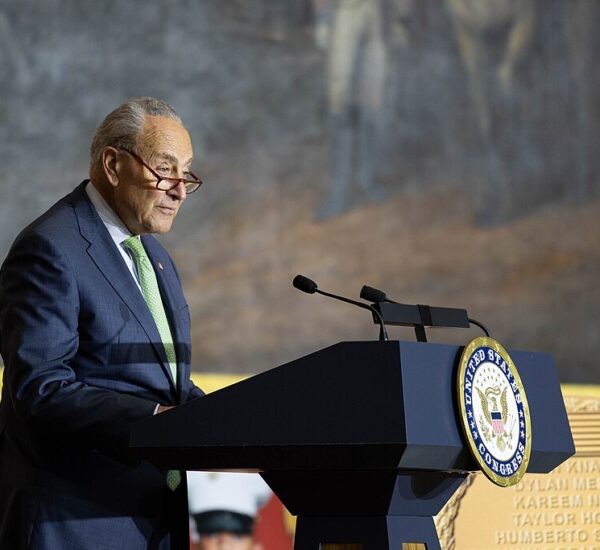
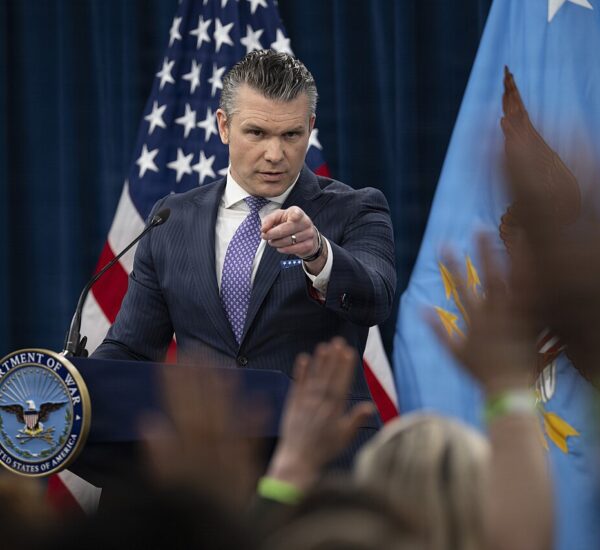
Newsom has some explaining to do.
California’s troubled unemployment system is once again under federal review — and this time, the Trump administration is stepping in directly.
The U.S. Department of Labor has deployed a specialized “strike team” to examine serious concerns involving California’s unemployment insurance (UI) program, including financial instability, improper payments, and potential fraud.
For millions of taxpayers — especially older Americans living on fixed incomes — the findings raise a troubling question:
Where did the money go?
Federal Strike Team Targets California’s Unemployment System
Labor Secretary Lori Chavez-DeRemer announced that federal specialists from both national and regional offices will conduct a full review of California’s Employment Development Department (EDD), the agency responsible for managing unemployment benefits.
The investigation follows an 83-page California State Auditor report that labeled the state’s unemployment insurance system “high risk.”
The report cited:
- Weak fraud prevention controls
- Delays in processing claims
- A high number of overturned eligibility decisions
- Data accuracy concerns
- Rising improper payment rates
Federal officials say the situation warrants immediate oversight.
According to the Labor Department, the goal is simple: protect American workers and safeguard taxpayer dollars.
California’s $21 Billion Unemployment Debt
Perhaps the most alarming financial issue is the condition of California’s unemployment trust fund.
The state reportedly exhausted its unemployment reserves and borrowed approximately $21 billion in federal funds to continue paying benefits.
That borrowed money must now be repaid — largely through increased unemployment insurance taxes on California employers.
For small business owners, many of whom are still recovering from pandemic shutdowns and economic uncertainty, that means higher operating costs.
Higher costs for businesses often translate into higher prices for consumers — something retirees and working families feel immediately.
Pandemic Relief Funds and Fraud Concerns
California received roughly $290 billion in pandemic-era relief funding, some of which helped rapidly expand unemployment benefits.
However, rapid expansion without strong oversight created vulnerabilities.
Several high-profile fraud cases emerged, including:
- A state unemployment employee convicted of filing nearly $860,000 in fraudulent claims
- Individuals creating fictitious businesses to collect unemployment payments
- Improper benefits issued to ineligible recipients
In addition, the Department of Labor’s Inspector General recently warned that nearly $1 billion in unemployment funds nationwide remains at risk due to pandemic-related fraud.
An analysis of 6.5 million prepaid debit cards used for pandemic unemployment benefits revealed approximately $720 million still sitting unused on those cards — funds that may include fraudulent disbursements.
Federal officials have stressed that without swift action, taxpayers could permanently lose those funds.
Why This Matters to Americans
For Americans over 50, this story is not just political — it’s personal.
Many retirees rely on Social Security, pensions, or fixed retirement savings. Others operate small businesses or work part-time to supplement their income.
When unemployment systems are mismanaged:
- Taxpayers foot the bill
- State employers face higher taxes
- Consumer prices rise
- Public trust erodes
Fraud is not a victimless crime. Every dollar lost to abuse is a dollar that cannot support legitimate unemployed workers who truly need assistance.
Accountability and Oversight Under President Trump
The Trump administration has signaled a renewed focus on eliminating waste, fraud, and abuse in federal and state-administered programs.
The Labor Department’s strike team is expected to:
- Conduct a financial integrity review
- Examine fraud detection systems
- Evaluate claimant eligibility processes
- Recommend structural reforms
While California officials have not yet responded in detail to the federal action, the investigation places increased scrutiny on how the state managed billions in unemployment benefits.
What Could Happen Next?
Depending on what investigators uncover, several outcomes are possible:
- Federal corrective mandates
- Program restructuring
- Increased oversight requirements
- Potential financial penalties
- Long-term reform recommendations
The review could also influence broader national conversations about unemployment insurance reform, federal relief oversight, and fiscal responsibility.
The Bigger Picture: Government Spending and Taxpayer Trust
At its core, this issue reflects a larger debate about government spending accountability.
Americans expect safety nets to function properly — especially during times of crisis. But they also expect transparency and responsible stewardship of public funds.
With billions of dollars involved and employers facing increased taxes, California’s unemployment system will likely remain under national attention in the months ahead.
For many taxpayers, the question isn’t political — it’s practical:
Can the system be fixed before more money is lost?
Final Thoughts
The federal strike team’s findings could reshape how California manages unemployment benefits moving forward.
As the investigation continues, Americans across the country — particularly retirees, small business owners, and those concerned about rising costs — will be watching closely.
Because in the end, safeguarding unemployment insurance funds isn’t about politics.
It’s about protecting workers, businesses, and taxpayers alike.