Newsom is not happy.
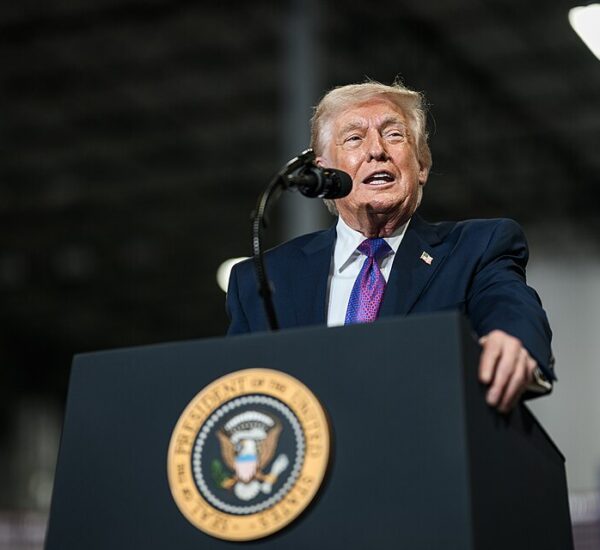
President Donald Trump made waves this week after signing a major executive order aimed at preventing individual states from imposing their own artificial intelligence regulations — a move that drew praise from business leaders while sparking sharp criticism from Democratic lawmakers, particularly in California.
The order directs the U.S. attorney general to form a new AI litigation task force tasked with challenging state-level rules that conflict with a national framework for artificial intelligence. The administration has also signaled that certain federal funding streams could depend on whether states comply with the new federal policy.
Supporters say the move is designed to protect American innovation, promote economic growth, and prevent regulatory confusion that could weaken U.S. competitiveness at a time when global rivals — especially China — are investing heavily in AI technology.
Why the White House Says a National AI Standard Matters
Trump administration officials argue that allowing each state to create its own AI rules would result in a confusing patchwork of laws, making it harder for businesses to invest, hire, and innovate.
According to the White House, a single national standard provides clarity, encourages investment, and ensures the United States remains the global leader in emerging technologies.
Business advocates say heavy regulation at the state level could slow development, increase costs for consumers, and ultimately push innovation overseas.
Tech Industry Leaders Applaud the Decision
Several prominent technology investors and executives welcomed the executive order.
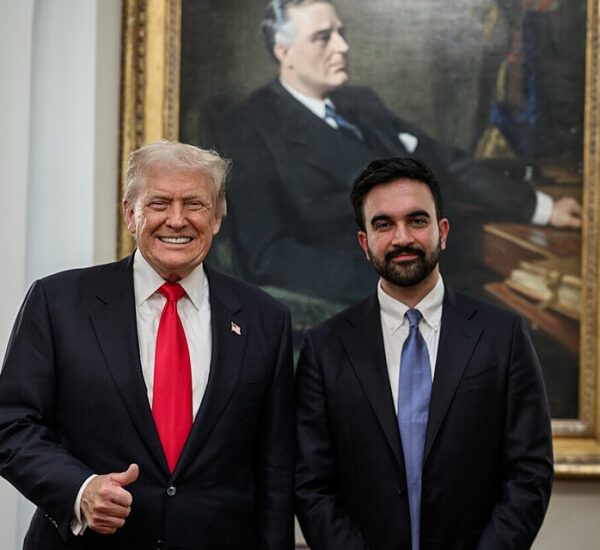
David Sacks, the White House’s AI and cryptocurrency adviser, praised President Trump’s leadership and said the move reflects the constitutional role of the federal government in setting national policy.
Sacks warned that forcing companies to comply with dozens of different state laws would discourage investment and delay innovation.
Venture capitalist Chamath Palihapitiya echoed those concerns, noting that operating under 50 separate regulatory systems is not practical for fast-moving industries. He said regulatory certainty is essential for long-term economic growth.
California Faces Billions at Risk
Reports indicate that California could risk up to $1.8 billion in federal broadband funding if the state enforces AI regulations that conflict with the federal order — a potential challenge for Governor Gavin Newsom’s regulatory agenda.
Supporters of the order argue that tying funding to compliance encourages cooperation and prevents states from undermining national economic priorities.
Supporters Say AI Is Boosting Blue-Collar Jobs
In a recent interview on Fox Business, Sacks pushed back against claims that artificial intelligence only benefits large corporations or wealthy investors.
He pointed to increased demand for construction workers, electricians, plumbers, and other skilled trades, saying AI-driven growth is already expanding opportunities in the real economy.
According to supporters, AI is improving efficiency across industries while creating new jobs that cannot be outsourced.
Democrats Push Back
Not surprisingly, Democratic lawmakers in California strongly opposed the order.
State Sen. Scott Wiener criticized the Trump administration’s approach, arguing that states should retain the authority to regulate emerging technologies. He has threatened legal action if the federal government attempts to block enforcement of state-level rules.
The White House, however, remains firm that national policy must be consistent and that overregulation could harm workers, consumers, and the broader economy.
Bottom Line
The executive order underscores President Trump’s broader approach to economic policy: reducing regulatory barriers, challenging blue-state overreach, and prioritizing American competitiveness.
While legal challenges may follow, supporters say the move sends a clear message — when it comes to artificial intelligence, the Trump administration intends to keep innovation in the United States and prevent bureaucratic roadblocks from slowing economic progress.