Is Trump taking more action after Venezuela?
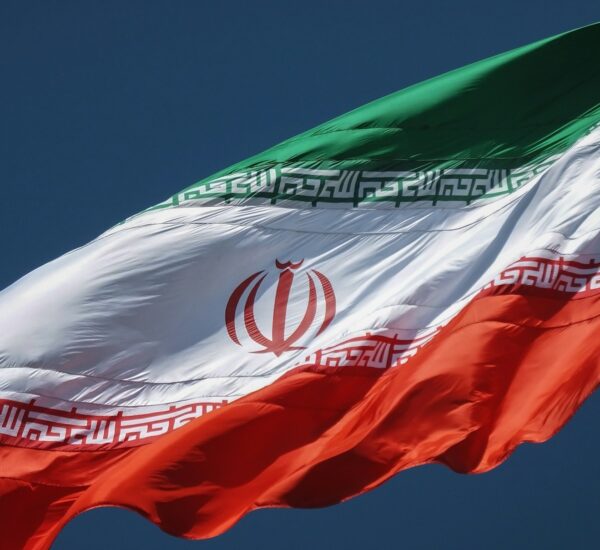
President Donald Trump delivered a forceful warning Sunday evening aimed at the Islamic Republic of Iran, signaling that the United States will not tolerate renewed violence against civilians as widespread protests continue across the country.
Speaking with reporters aboard Air Force One, Trump said his administration is closely monitoring the situation inside Iran and made clear that any repeat of past crackdowns would bring serious consequences.
“We’re watching it very closely,” Trump said. “If they start killing people like they’ve done before, the response from the United States will be very strong.”
Protests Expand as Pressure Builds on Tehran
Anti-government demonstrations have entered their second week, spreading across dozens of cities and towns. According to Human Rights Activists in Iran, protests have now reached at least 78 cities and more than 200 locations nationwide.
Demonstrators are openly demanding an end to the Islamic Republic’s rule under Supreme Leader Ali Khamenei, who has governed Iran for decades. Activist groups report at least 20 deaths, including minors, and nearly 1,000 arrests as Iranian security forces attempt to suppress the unrest.
Trump’s Warning Resonates With the Iranian People
Foreign policy analysts say Trump’s remarks are resonating inside Iran because they come from a president with a record of direct action against the regime. During his first term, Trump authorized the U.S. operation that eliminated Iranian military commander Qassem Soleimani in January 2020.
Experts note that many Iranians still remember the 2009 Green Movement, when protesters felt abandoned by U.S. leadership. Trump’s public stance is being viewed as a sharp contrast to past administrations that emphasized diplomacy while avoiding direct support for demonstrators.
A Shift From Reform to Regime Change
Observers say the current unrest marks a turning point. Unlike earlier protests focused on economic reforms, today’s demonstrations reflect widespread calls for full regime change.
Analysts also report that protesters appear more determined and less fearful than in past uprisings, despite the regime’s extensive security apparatus.
Economic Crisis and Military Setbacks Weaken the Regime
Iran’s leadership is under increasing strain due to a long-running economic crisis compounded by international sanctions and recent military pressure. Earlier this year, Israeli strikes—supported by the U.S.—reportedly damaged multiple Iranian nuclear facilities, further limiting Tehran’s strategic options.
One Iranian official acknowledged that the government now faces mounting pressure from both internal unrest and external threats, leaving few viable paths forward.
Calls for Stronger U.S. Support
Iranian-American activist Masih Alinejad said Trump’s statements have encouraged protesters and brought renewed momentum to the demonstrations. She described Trump’s position as a clear break from past U.S. policies that prioritized engagement with Iran’s leadership.
Alinejad urged additional measures, including removing Iran’s representative from the United Nations and expanding internet access to bypass government censorship. She also called on the White House to work with Elon Musk to deploy Starlink, allowing Iranians to communicate freely during the unrest.
A Defining Moment for U.S. Foreign Policy
As protests continue to spread, Trump’s warning has intensified pressure on Tehran while signaling a clear U.S. alignment with the Iranian people. Supporters say the administration’s firm stance underscores a broader foreign policy approach centered on deterrence, accountability, and opposition to authoritarian repression.
For many watching closely, this moment may determine whether Iran’s leadership can maintain control—or whether growing public resistance finally forces lasting change.