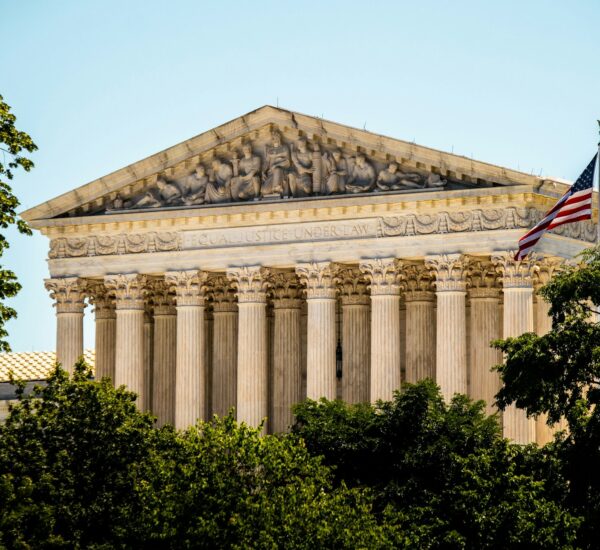
Trump isn’t risking it with these crazy judges.
President Donald Trump has signed a sweeping executive order that sharply limits the power of U.S. courts when it comes to foreign oil money — a move that is already sending shockwaves through Washington.
The order blocks American courts from seizing Venezuelan oil revenues currently held in U.S. Treasury accounts, cutting off a long-used legal pathway for private creditors and activist litigants.
According to the executive order, any court attempt to take control of those funds would represent an “unusual and extraordinary threat” to U.S. national security and foreign policy.
In plain terms, the Trump administration is saying the courts have gone too far — and it is stepping in.
The order makes clear that the oil revenues remain the sovereign property of Venezuela, not assets available to lawyers, hedge funds, or judgment holders seeking payouts through U.S. lawsuits.
It also specifies that the United States is holding the funds strictly in a custodial and governmental role — not as a commercial partner and not for private financial gain.
The move was designed to stop private interests from racing into U.S. courts to grab the money before the administration decides how the funds should ultimately be handled.
The protected revenues come from oil sales and related transactions involving Venezuela’s government and its state-run oil company, Petróleos de Venezuela. Those funds are currently secured in Treasury accounts under U.S. oversight.
Trump signed the order on Friday, the same day he met with nearly two dozen top oil and gas executives at the White House — underscoring how central energy policy has become to his broader strategy.
During the meeting, Trump said American energy companies are prepared to invest up to $100 billion to rebuild Venezuela’s long-neglected oil infrastructure and dramatically increase production once the Maduro regime is fully dismantled.
The administration has moved aggressively to shape Venezuela’s oil future following the collapse of Nicolás Maduro’s rule, with U.S. companies expected to play a dominant role in restoring output and stability.
Trump has framed the effort as both an economic and strategic win — strengthening America’s energy position while preventing U.S. courts from interfering in sensitive foreign policy decisions.
For supporters, the message is clear: under Trump, the courts do not get the final say on national security.