President Donald Trump’s push to lower costs for American families is facing a serious challenge—and it’s coming from overseas.
Just as hopes were rising for a potential Federal Reserve rate cut, escalating tensions with Iran have sent oil prices soaring, reigniting inflation concerns and making it far more difficult for the Fed to act.
For millions of Americans, that means one thing: relief may have to wait.
Why Interest Rates Matter to Everyday Americans
While many Americans don’t follow the Federal Reserve closely, its decisions directly impact daily life.
Interest rates influence:
- Mortgage payments
- Car loans
- Credit card interest
- Small business borrowing
Right now, borrowing costs remain high—putting continued pressure on household budgets, especially for retirees and those on fixed incomes.
A rate cut could ease that burden. But current conditions are working against it.
Federal Reserve Expected to Hold Steady
As the Federal Reserve concludes its latest policy meeting, most experts believe officials will leave interest rates unchanged.
The reason? Inflation risks are creeping back into the picture—largely driven by rising energy prices tied to instability in the Middle East.
If the conflict continues, those pressures could stick around longer than expected.
Oil Prices Surge Above $100—And Americans Feel It
Global oil prices have climbed past $100 per barrel for the first time in years, triggering concern across financial markets.
That increase is already hitting consumers:
- Gas prices rising quickly nationwide
- Diesel costs surging even faster
- Transportation and shipping expenses climbing
Diesel, in particular, plays a major role in moving goods across the country—meaning higher costs at the pump often translate into higher prices on store shelves.
Air Travel and Everyday Goods Getting More Expensive
The impact doesn’t stop at the gas station.
Airlines are now dealing with rising fuel costs, which could lead to:
- Higher ticket prices
- Reduced flight availability
- Added strain on an already pressured travel season
At the same time, increased transportation costs are likely to ripple through the economy—affecting groceries, retail goods, and more.
Housing Costs Climb as Mortgage Rates Rise Again
The housing market is also feeling the pressure.
After briefly dipping below 6%, the average 30-year mortgage rate has started climbing again—making homeownership less affordable for many Americans.
For buyers and retirees looking to relocate or downsize, this shift could delay plans and increase long-term costs.
Warning Signs Emerging in the Job Market
Adding to the uncertainty, recent labor data shows unexpected job losses—raising concerns about economic stability.
A slowing job market combined with stubborn inflation creates a difficult situation:
- The Fed can’t easily cut rates
- But Americans are still feeling financial strain
Trump Pushes for Immediate Action
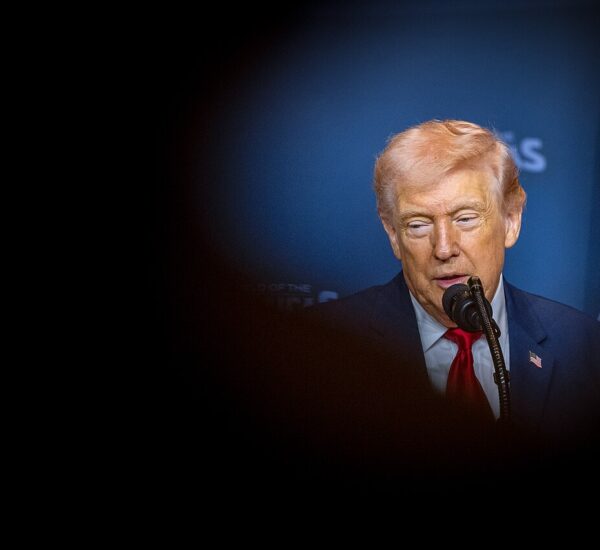
President Trump has continued to call for aggressive action from the Federal Reserve, urging Chairman Jerome Powell to cut rates and provide relief.
Trump argues that lower borrowing costs would:
- Boost economic growth
- Support businesses
- Ease pressure on American families
However, Federal Reserve officials remain cautious, signaling they want clearer signs that inflation is fully under control before making any move.
A Tough Moment for Trump’s Economic Agenda
The timing presents a significant challenge.
Lowering costs for Americans has been a key focus of President Trump’s economic message. But rising energy prices, global instability, and inflation concerns are making that goal harder to achieve in the near term.
For now, Americans are caught in the middle—facing higher prices, elevated borrowing costs, and growing uncertainty about what comes next.