This was rude.
When President Donald Trump offered to send a U.S. Navy hospital ship to Greenland, many Americans saw it as a compassionate gesture — a practical solution to real healthcare challenges in a remote Arctic region.
Instead, it sparked international criticism.
What followed quickly evolved into a larger debate over government-run healthcare, national security, Arctic strategy, and America’s role on the world stage.
Trump’s Hospital Ship Offer: A Humanitarian Move
Donald Trump proposed deploying one of America’s Navy hospital ships to Greenland after reports highlighted limited access to medical specialists in smaller communities.
The U.S. Navy operates two floating medical facilities — the USNS Comfort and the USNS Mercy — designed for large-scale emergency response and humanitarian missions.
These ships have previously delivered life-saving care after hurricanes, natural disasters, and international crises.
Trump framed the offer as simple: help people who may not be receiving timely treatment — while strengthening a critical strategic partnership in the Arctic.
Greenland Rejects the Offer
Greenland’s Prime Minister, Jens-Frederik Nielsen, publicly declined the proposal.
He emphasized that Greenland operates under a taxpayer-funded public healthcare system that provides treatment free of charge to citizens.
Denmark’s Defense Minister, Troels Lund Poulsen, echoed that position, stating that Greenlanders receive care either locally or in Denmark if specialized treatment is required.
Danish Prime Minister Mette Frederiksen also praised Denmark’s universal healthcare model, drawing an implicit contrast with America’s system.
What began as a humanitarian offer quickly became a public-versus-private healthcare debate.
Governor Jeff Landry Pushes Back
Jeff Landry, serving as Trump’s envoy to Greenland, argued that “free” healthcare does not automatically mean accessible healthcare.
He pointed to reports that smaller Greenland settlements often lack:
- Permanent doctors
- Advanced diagnostic tools
- Specialist care
- Local emergency capacity
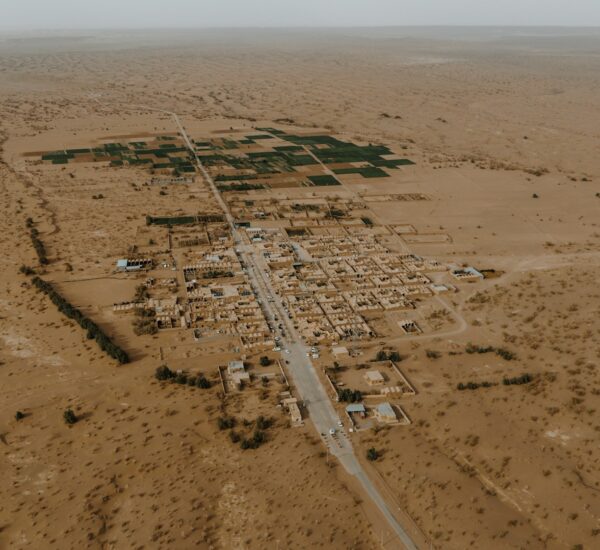
In some cases, residents must travel long distances — sometimes in extreme weather — for treatment.
Landry framed the hospital ship not as political theater, but as immediate, practical assistance.
Why Greenland Matters to U.S. National Security
For many Americans age 50+, the Arctic may seem distant — but defense experts increasingly view it as one of the most important geopolitical regions of the 21st century.
Greenland sits at a strategic crossroads between North America and Europe. With rising Russian military activity and growing Chinese interest in Arctic trade routes and mineral resources, the region has become critical to NATO security planning.
Trump has repeatedly described Greenland as vital to U.S. national security interests.
Supporters argue that offering humanitarian aid strengthens alliances, builds goodwill, and reinforces American leadership in a region where global rivals are expanding their presence.
The Bigger Debate: Compassion vs. Politics
To many conservatives, the backlash raised a fundamental question:
When America offers help — even medical help — why is it criticized?
Was the hospital ship an unnecessary gesture?
Or was it a show of American strength and generosity?
Regardless of where one stands on public healthcare policy, the incident underscores a broader reality: in today’s political climate, even humanitarian outreach can become a diplomatic flashpoint.
Final Thoughts
As Arctic tensions grow and global competition intensifies, Greenland’s strategic value will only increase. Whether through defense cooperation, economic investment, or humanitarian assistance, America’s involvement in the region is unlikely to fade.
For supporters of President Trump, the episode reinforces a familiar theme — decisive leadership often draws resistance, even when the stated goal is to help.