Trump wants results ASAP.
House Republicans are facing new political challenges as they prepare for the upcoming midterm elections, and President Donald Trump is now pushing for major action that could reshape the party’s strategy heading into November.
As GOP lawmakers focus on keeping their majority in Congress, Trump is urging Republican leaders to prioritize stronger election security laws — a move that has sparked debate in Washington while energizing many conservative voters across the country.
At the same time, rising gas prices and tensions overseas are creating additional hurdles for Republican messaging, forcing lawmakers to balance economic concerns with national security priorities.
Trump Calls for Tougher Voting Laws
One of the biggest developments surrounding the GOP strategy is Trump’s renewed demand that Congress pass tougher voting laws before moving forward with other legislation.
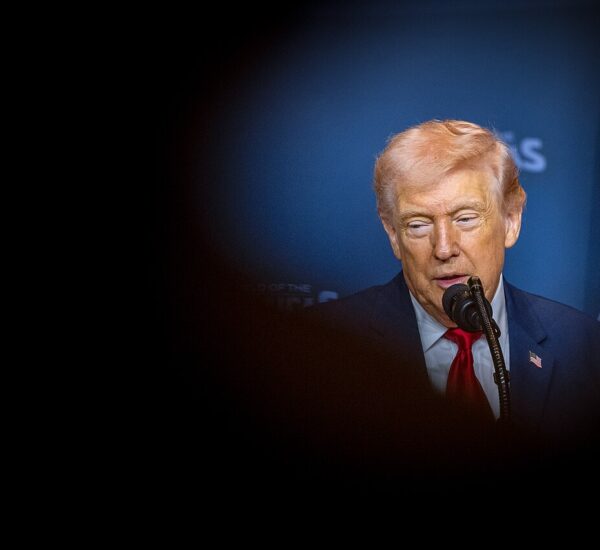
Speaking at a Republican gathering in Doral, Florida, the president made it clear that election integrity remains one of the most important issues for voters nationwide.
“The people are demanding it,” Trump told lawmakers during the event. “Everywhere I go, people are talking about protecting our elections and making sure every legal vote counts.”
The proposal Trump is pushing is widely known among Republicans as the SAVE America Act, legislation aimed at strengthening voter identification requirements and improving election security nationwide.
Supporters say the bill would restore confidence in U.S. elections and ensure that voter rolls remain accurate.
Speaker Mike Johnson Responds
House Speaker Mike Johnson attempted to calm concerns that Trump’s demand could stall other Republican priorities.
Johnson pointed out that the House has already approved the legislation and said he remains confident Republicans will stay unified ahead of the midterm elections.
“I am absolutely convinced we are going to win the midterms and grow the majority,” Johnson said during the GOP retreat.
Republican leadership is also betting that Trump’s economic policies — particularly tax cuts and pro-energy policies — will resonate strongly with voters heading into November.
Gas Prices Become a Major Political Issue
While Congress debates election laws and legislative priorities, many Americans are paying close attention to something much closer to home: the cost of gasoline.
Fuel prices have climbed sharply in recent weeks following tensions involving Iran and concerns about global oil supply routes.
According to the American Automobile Association (AAA), the national average price for gasoline recently reached about $3.63 per gallon, compared to $2.94 just one month earlier.
Republican lawmakers say the increase is tied to instability in global energy markets, including threats to shipping lanes in the Strait of Hormuz — one of the world’s most important oil routes.
Rep. Jim Jordan argued that many Americans understand the broader national security stakes.
“If prices go up temporarily, Americans understand why,” Jordan said in a recent interview. “The bigger priority is protecting our country and maintaining stability in the region.”
Trump Points to U.S. Energy Strength
President Trump has also emphasized that the United States remains the largest oil producer in the world, which could help stabilize markets over time.
In a post on Truth Social, Trump noted that higher oil prices can also benefit the American energy sector, which has expanded significantly under pro-energy policies supported by Republicans.
Energy independence has long been a major talking point for Trump and many GOP lawmakers, who argue that domestic production reduces reliance on foreign suppliers.
Some Republicans Voice Economic Concerns
Despite optimism from many Republicans, some conservative voices warn that prolonged fuel price increases could still create political challenges.
Former White House press secretary Sean Spicer said that if gas prices remain elevated during the busy summer travel season, voters may begin to feel the financial strain.
“Hopefully this situation is temporary,” Spicer said during a television interview. “But if people feel like filling up their car suddenly costs much more, that could become a real concern for families.”
Economic anxiety often plays a major role in elections, particularly during midterm cycles.
Republicans Consider Another Major Legislative Push
Meanwhile, Republican leaders are considering a second major reconciliation bill aimed at addressing several policy priorities.
Reconciliation allows Congress to pass certain legislation with a simple majority vote in the Senate, avoiding the filibuster.
Speaker Johnson says the goal would be to continue lowering costs for American families while strengthening national security and expanding economic growth.
The conservative Republican Study Committee has proposed several policy ideas that could be included in the package, including:
- Reducing federal regulations on American energy production
- Expanding opportunities for homeownership
- Reforming health care policies tied to the Affordable Care Act
- Strengthening fraud prevention in government spending
- Increasing defense investments to support U.S. military readiness
Debate Continues Over a Second Reconciliation Bill
Still, not every Republican believes passing another reconciliation bill will be easy.
Rep. Jason Smith of Missouri, chairman of the House Ways and Means Committee, acknowledged that historically it is rare for Congress to pass two large reconciliation packages during the same session.
While he said he would support the effort, Smith also cautioned that the legislative process could prove challenging.
The Road to the Midterm Elections
As the midterm elections approach, Republicans are juggling multiple priorities — election security, economic concerns, and national security issues.
President Trump’s call for stronger voting laws has energized many conservatives, but it has also added new pressure on GOP leaders trying to move forward with their broader legislative agenda.
With control of Congress potentially at stake, the coming months could play a major role in shaping both the Republican strategy and the national political landscape.