Harvard needs to answer some questions.
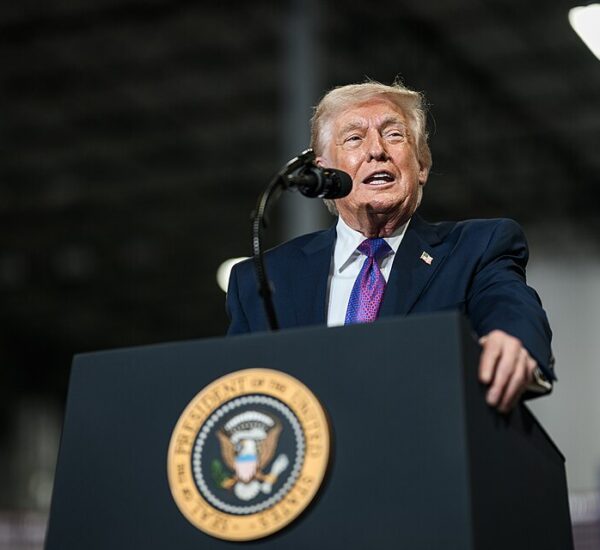
The Department of Justice under President Donald Trump has taken decisive legal action against Harvard University, accusing the elite Ivy League school of failing to protect Jewish and Israeli students from discrimination and harassment on campus.
The lawsuit, filed in federal court, marks another major step in the administration’s broader effort to enforce civil rights protections in higher education—especially at institutions receiving billions in taxpayer funding.
DOJ Accuses Harvard of Ignoring Antisemitism
According to the complaint, Harvard allegedly showed “deliberate indifference” toward growing antisemitic incidents, allowing harassment and exclusion to continue without meaningful enforcement of university policies.
Assistant Attorney General for Civil Rights Harmeet Dhillon stated that the Justice Department will not tolerate violations of federal law, especially when students’ safety and equal access to education are at stake.
The lawsuit claims Harvard failed to act even as Jewish and Israeli students faced:
- Harassment and intimidation
- Social exclusion from campus groups and activities
- Disruptions to their education
- Hostile protest environments
Campus Protests and Rising Tensions After October 7
Federal officials point to events following the October 7, 2023 Hamas attack on Israel as a turning point.
The complaint highlights:
- A 20-day protest encampment in Harvard Yard
- Demonstrators occupying campus spaces
- Reports of aggressive confrontations involving students
Even after university leadership acknowledged concerns about unacceptable behavior, the DOJ argues that enforcement actions were either weak or nonexistent.
Harvard’s own internal task force reportedly identified cases where pro-Israel students were excluded from social and academic environments—raising serious civil rights concerns.
Nearly $1 Billion in Federal Funds at Stake
One of the most significant aspects of the lawsuit is the financial impact.
The Trump administration is seeking to:
- Recover over $953 million in federal funding
- Enforce strict compliance with civil rights laws
- Appoint an independent monitor to oversee Harvard
- Require stronger disciplinary enforcement
Officials also noted that Harvard has received more than $2.6 billion in federal health-related grants, putting a spotlight on how taxpayer dollars are being used.
This case could set a powerful precedent for federal funding and university accountability nationwide.
Trump Administration Pushes for Higher Standards in Education
This lawsuit is part of a broader push by President Trump to ensure that colleges and universities uphold civil rights laws.
Earlier actions included:
- Investigations into Harvard’s admissions practices
- Efforts to freeze federal funding
- Calls for major financial penalties
Attorney General Pam Bondi emphasized that schools benefiting from taxpayer support must meet higher standards and protect all students equally.
Harvard Responds, Denies Allegations
Harvard officials strongly pushed back against the lawsuit, stating the university is committed to protecting Jewish and Israeli students.
A spokesperson said Harvard has:
- Expanded antisemitism education and training
- Strengthened anti-discrimination enforcement
- Launched initiatives promoting civil dialogue
The university also described the lawsuit as politically motivated and pledged to fight the case in court.
Why This Case Matters for America’s Universities
This legal battle could have major consequences far beyond Harvard.
At its core, the case raises a critical issue:
Should universities receiving billions in taxpayer funding be held fully accountable for protecting students from discrimination?
For many Americans—especially those concerned about campus culture, free speech, and fairness—the answer is clear.
As the case unfolds, it could reshape how colleges handle civil rights enforcement and determine whether elite institutions are truly held to the same standards as everyone else.
Final Thoughts
The Trump administration’s lawsuit against Harvard sends a strong message: no institution is above the law, especially when it comes to protecting students and upholding civil rights.
With nearly a billion dollars on the line and national attention focused on the outcome, this case is likely to become one of the most important education and civil rights battles in recent years.