The Department of Homeland Security (DHS) has released new immigration data that is reigniting debate over border security during the Biden administration.
According to figures compiled from U.S. Customs and Border Protection (CBP), millions of foreign nationals entered the United States unlawfully between February 2021 and January 2025. What stands out most is the percentage of entire national populations that reportedly crossed into the U.S. during that period.
DHS officials shared the following estimates:
- Approximately 8% of Nicaragua’s total population entered the United States illegally.
- Roughly 7% of Cuba’s population crossed the border unlawfully.
- Around 6% of Haiti’s population entered without authorization.
- Close to 5% of Honduras’ population also migrated illegally.
These figures have intensified discussion about immigration enforcement, border security policy, and national sovereignty.
Biden Border Policy Under Scrutiny
Critics of former President Joe Biden argue that changes in immigration enforcement between 2021 and 2025 contributed to historic levels of border crossings.
DHS leadership under President Donald Trump has pointed to what they describe as weakened enforcement measures during those years, including policy adjustments related to detention, asylum processing, and physical border barriers.
Homeland Security Secretary Kristi Noem recently visited Eagle Pass, Texas — one of the busiest border sectors during the peak of migrant crossings — and stated that border conditions have significantly improved compared to prior years.
Administration officials say new enforcement measures, expanded deportation operations, and renewed cooperation with state authorities have reduced illegal crossings.
Deportation Efforts Continue Despite Political Pushback
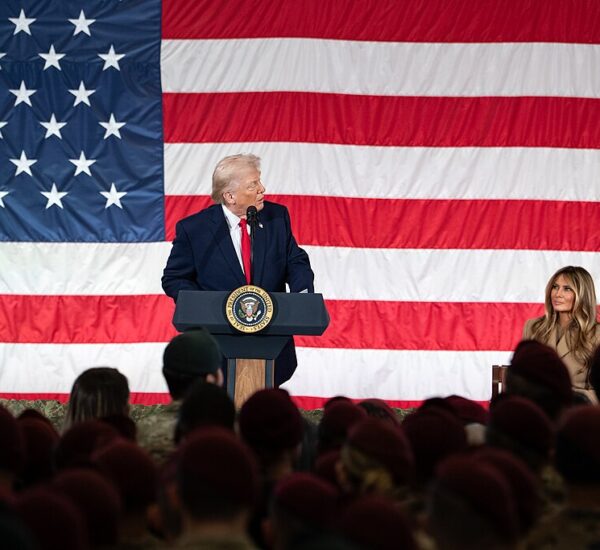
President Trump campaigned on restoring strict immigration enforcement and deporting individuals who entered unlawfully during the previous administration. DHS reports that deportation operations are ongoing nationwide.
These enforcement efforts have drawn criticism from Democratic lawmakers, who argue for broader immigration reform and humanitarian protections.
Supporters of the current administration, however, say stronger enforcement is necessary to combat:
- Drug trafficking
- Human smuggling
- Cartel activity
- Exploitation of minors
- Overstretched border communities
For many Americans — particularly those who prioritize law and order — immigration enforcement remains a central political issue.
DHS Funding Dispute in Washington
At the same time, Congress is engaged in a partial funding standoff related to DHS operations. Some lawmakers are seeking policy adjustments tied to Immigration and Customs Enforcement (ICE).
Despite the budget dispute, approximately 90% of DHS employees are classified as essential and continue working. ICE operations are largely funded through prior legislation, allowing immigration enforcement to proceed.
Border enforcement adviser Tom Homan has stated publicly that current operations will not be affected by the funding disagreement.
White House Press Secretary Karoline Leavitt also addressed the matter, arguing that frontline workers should not be impacted by partisan disputes in Washington.
Why This Matters to Voters Over 50
For many Americans who have watched immigration debates unfold over multiple decades, the newly released DHS figures reinforce long-standing concerns about border control, national security, and the rule of law.
Immigration remains one of the most important issues shaping:
- National elections
- Federal spending priorities
- Community safety discussions
- Economic policy debates
As enforcement policies continue to shift under President Trump, voters will likely evaluate the long-term impact of both administrations’ approaches to border management.
Final Thoughts
The immigration debate is far from settled. DHS data has brought renewed attention to how immigration policy decisions between 2021 and 2025 affected the United States.
Supporters of President Trump argue that current enforcement efforts are restoring order and strengthening border security. Critics continue to push for broader immigration reform.
What remains clear is that border policy will stay at the center of American politics in the years ahead.