Trump didn’t hold back.
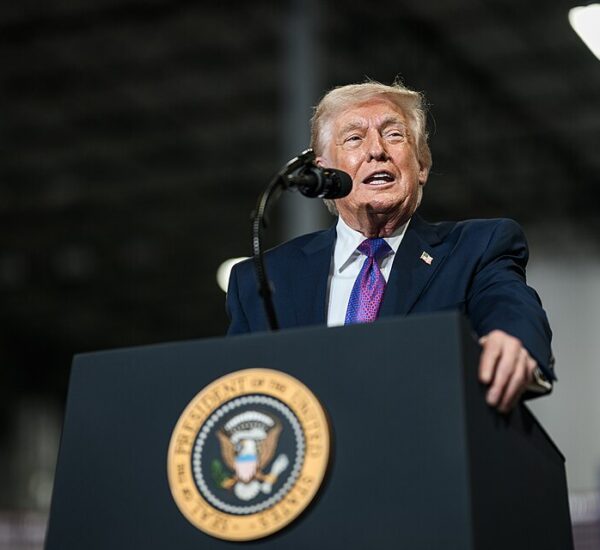
President Donald Trump delivered a strong message Friday morning, criticizing several NATO allies for refusing to assist in securing the Strait of Hormuz—one of the most important oil shipping routes in the world.
In a post on Truth Social, Trump warned that without the United States, NATO would lack real strength and unity. He expressed frustration that while America has taken decisive military action, some allied nations have hesitated to contribute to keeping global trade routes open.
Trump argued that the most dangerous phase of the conflict has already passed following military operations targeting Iran’s capabilities. Now, he says, allies are complaining about rising oil prices while declining to take part in what he described as a manageable mission to restore safe passage.
He made it clear that this lack of support would not be forgotten.
Strait of Hormuz Crisis Sends Oil Prices Soaring
The Strait of Hormuz is responsible for roughly 20% of the world’s oil supply, making it one of the most critical chokepoints in global trade.
Since late February, Iran has disrupted shipping traffic in the region following U.S.-backed military action. The impact has been immediate:
- Oil prices have surged
- Global markets are on edge
- Inflation concerns are rising again
Brent crude oil has climbed above $100 per barrel, a sharp increase from around $70 just weeks ago. For American consumers—especially retirees and those on fixed incomes—higher fuel costs could quickly translate into broader price increases.
Allies Respond With Words, Not Action
Several major allies—including the United Kingdom, France, Germany, Italy, Japan, the Netherlands, and Canada—issued a joint statement signaling general support for keeping the Strait of Hormuz open.
However, the statement stopped short of committing to direct military involvement.
The nations expressed a “readiness to contribute” and welcomed ongoing planning efforts, but offered few specifics. Critics say this cautious approach places the burden largely on the United States while global energy markets remain unstable.
U.S. Military Takes the Lead
With limited help from allies, the United States has stepped in to secure the region.
According to Joint Chiefs Chairman General Dan Caine:
- A-10 Thunderbolt II aircraft are targeting hostile Iranian fast-attack boats
- AH-64 Apache helicopters are countering drone threats
- Additional forces are being deployed to strengthen security
A U.S. Marine Corps expeditionary group is also expected to arrive soon, giving the administration more options to stabilize the situation and protect global shipping.
Global Economic Concerns Are Growing
World leaders are increasingly warning about the economic fallout.
During a White House meeting, Japan’s Prime Minister Sanae Takaichi cautioned that disruptions in the Strait of Hormuz could trigger a significant hit to the global economy if the situation continues.
With oil prices rising and uncertainty spreading, this is no longer just a regional issue—it’s a global economic risk.
Why This Matters for Americans
For many Americans—especially those over 50—the stakes are clear:
- Higher gas prices
- Increased cost of living
- Potential market instability affecting retirement savings
Energy prices often ripple through the entire economy, impacting everything from groceries to travel costs.
Bottom Line
President Trump is sending a clear signal: the United States is taking action, but expects its allies to do the same.
As tensions continue in the Middle East and oil prices remain elevated, the pressure is now on NATO nations to step up—and help restore stability before the economic consequences grow even worse.