
This can’t happen.
Concerns are growing within conservative circles that Republicans could be losing ground with one of the most important voting blocs in the country: young men.
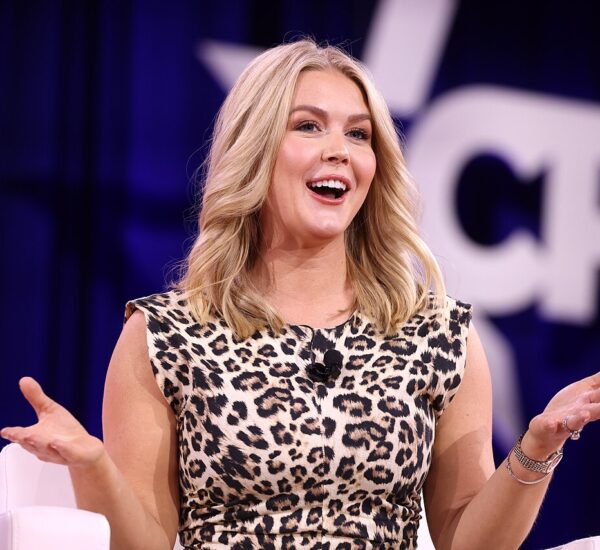
Fox News contributor Brett Cooper recently warned that Democrats may have found an opening with younger male voters by focusing relentlessly on one issue that dominates their daily lives—affordability.
Speaking on Fox & Friends, Cooper pointed to the recent New York City mayoral race as a clear example. Mayor-elect Zohran Mamdani ran a campaign heavily centered on the rising cost of living, housing prices, and economic insecurity. Cooper argued that message was effective enough to pull some young male voters away from President Donald Trump.
According to Cooper, today’s younger voters are less focused on political labels and more concerned with whether they will ever be able to afford a home, start a family, or build long-term financial stability. When candidates speak directly to those concerns, she said, young voters—especially men—pay attention.
This shift reflects a broader cultural reality: inflation, housing shortages, and economic uncertainty are shaping political priorities more than ideology for many Americans under 40.
Democrats appear to recognize the opportunity. Figures such as Rep. Eric Swalwell, Minnesota Gov. Tim Walz, and Mamdani have made deliberate efforts to appeal to young men through social media content highlighting weightlifting, hunting, and traditionally masculine interests—an approach rarely seen from the political left in the past.
In the 2024 election, young men were a major problem area for Democrats, while Republicans struggled more with younger female voters. Mamdani’s victory, however, suggested Democrats may be regaining momentum with parts of the Gen Z electorate.
Cooper cautioned that the trend may now be shifting again—but not entirely in Republicans’ favor.
She noted that conservatives have recently made significant gains with young women, pointing to turnout and attendance figures at major conservative events. At AmFest, for example, women reportedly made up a majority of attendees—an encouraging sign for the movement’s future.
Still, Cooper warned that Republicans cannot afford to overlook young men.
Her concern, she explained, is that some young male voters appear to be drifting back toward the political left, attracted by promises of economic relief and affordability—even if those promises may not hold up under scrutiny.
For Republicans, the message is clear: economic reality matters. If the party does not continue to address inflation, housing costs, and financial opportunity in clear, direct terms, Democrats may succeed in reshaping a voter group that has historically leaned conservative.
With future elections on the horizon, the battle for America’s largest and most influential voter blocs is far from over.


Democrats may talk afordability, but it is only talk. Nothing they suggest would actually accomplish it. In fact, all their past policies and actions have resulted in our current state of unaffordability.
“Trump Loses America’s Largest Voter Group”
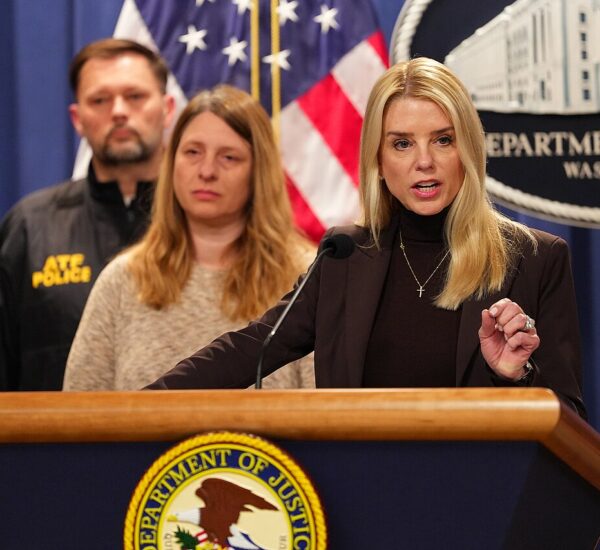
if that happens, it is because of the fact that the GOP politicians have NOT changed over the decades. they, as a leadership group TOTALLY IGNORE the causes that they made promises on to their constituents. the GOP leadership continue to be a bunch of spineless morons. oh, they TALK a good talk, but if ANYbody (ie, the media, the dems, etc ..) make any noise, the GOP back down at warp speed. need examples??? take a look at the so-called “AG” pam blondi [pun intended]. a causal search into her past exploits when she was in Florida easily shows her anti-US Constitution positions.
i could go on, but i’ve done this way too many times over the years and it never changes, so anymore, i just give a little hit-n-run post and encourage anyone who questions my brief post to do some basic research and you’ll turn up a lot of info that more than supports my posts.