Common sense looks like it could finally prevail.
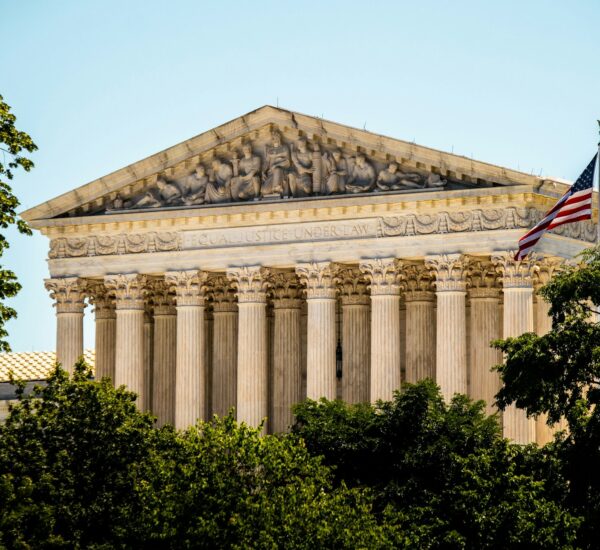
The Supreme Court appeared inclined this week to uphold state laws that limit girls’ and women’s school sports teams to biological females, marking another significant legal development aligned with President Donald Trump’s policy agenda.
During high-profile oral arguments, a majority of the justices signaled openness to allowing states to maintain sex-based athletic categories. The cases place the Court at the center of a national debate that has intensified as Republican-led states move to preserve competitive fairness in women’s sports.
Several conservative justices questioned claims that these laws amount to unlawful discrimination. While the Court’s liberal members suggested individual athletes might still pursue narrow legal challenges, they appeared skeptical of sweeping constitutional rulings that would override state authority.
Justice Brett Kavanaugh raised concerns about whether the Court should impose a single nationwide standard while states remain divided on the issue. He noted that women’s athletics have seen decades of growth and success under sex-based competition rules.
Kavanaugh, who has coached girls’ basketball, emphasized that eliminating state protections could risk undermining opportunities for female athletes. He cautioned that the Court must consider the real-world consequences of its decisions.
Justice Samuel Alito focused on the growing number of female athletes who say they are being placed at a competitive disadvantage. He questioned whether those concerns should be dismissed or minimized in the legal analysis.
The Court is reviewing cases from Idaho and West Virginia, but its eventual ruling could affect similar laws enacted in 27 states. A final decision is expected later this year.
The Court’s three liberal justices expressed sympathy for the athletes challenging the laws, stressing the importance of considering individual circumstances. However, the conservative majority appeared more receptive to arguments centered on fairness, safety, and long-standing athletic standards.
Last term, the Court declined to block Tennessee’s restrictions on gender-related medical treatments for minors, reinforcing a broader trend of judicial restraint on expanding constitutional protections. While the Court has sided with LGBTQ plaintiffs in certain past cases, it has generally avoided redefining protected classes beyond established categories.
Justice Neil Gorsuch acknowledged that scientific debates continue over whether medical interventions can eliminate biological differences in athletic performance. Even so, extending heightened constitutional scrutiny to these cases would require votes that challengers may not have.
Idaho and West Virginia argue that sex-based classifications in sports are lawful and necessary. State attorneys told the Court that biological sex—not identity—is the determining factor in athletic competition, a principle they say has long governed organized sports.
The cases also involve Title IX, the federal law prohibiting sex discrimination in education. Supporters of the state laws argue that protecting women’s sports aligns with Title IX’s original intent to ensure fair opportunities for female athletes.
Idaho passed the nation’s first statewide ban on transgender participation in girls’ sports in 2020, followed by West Virginia in 2021. Both laws are being challenged by athletes represented by the American Civil Liberties Union.
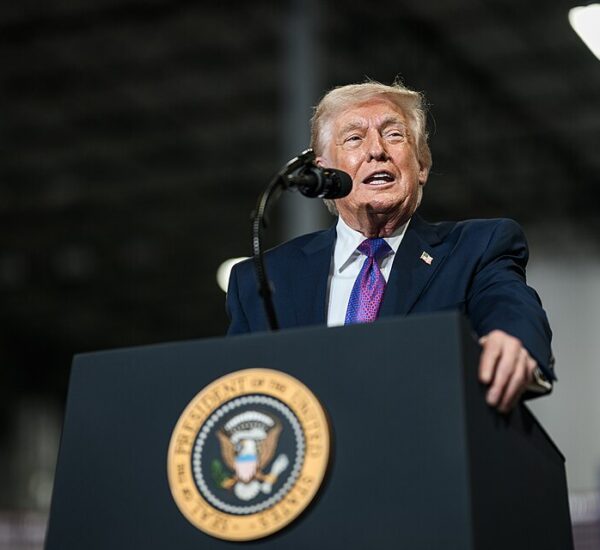
The Trump administration formally supported the states during oral arguments, reinforcing the president’s broader efforts to reverse federal policies related to gender identity. Since returning to office, Trump has signed executive orders affirming that the federal government recognizes only two biological sexes.
The administration has also moved to restrict federal funding for programs that allow biological males to compete in women’s sports, reinstate limits on transgender military service, and restrict certain medical treatments for minors—policies the Court has previously allowed to proceed.
For supporters of states’ rights and women’s athletics, the Court’s questioning suggests momentum may be shifting. If upheld, these laws would represent a major legal victory for President Trump and a decisive moment in the ongoing debate over fairness in school sports.