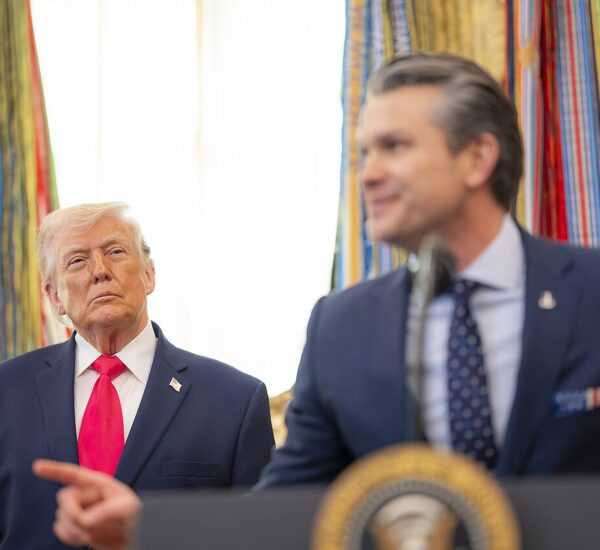
This is a major win for one Trump ally.
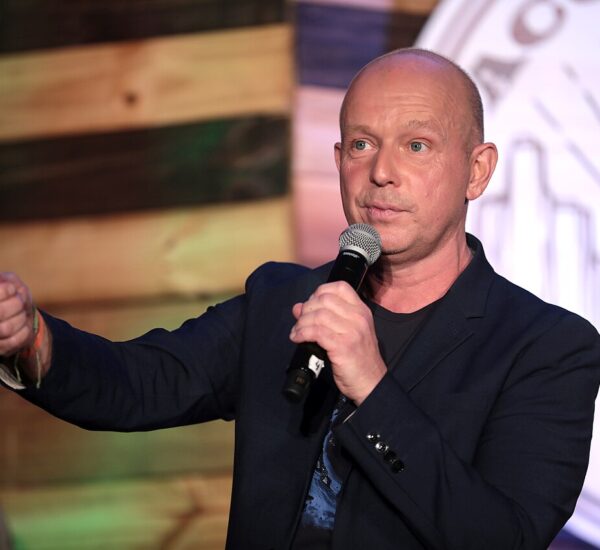
In a dramatic decision that’s sending shockwaves through Washington, the U.S. Supreme Court has taken a major step that could ultimately erase the criminal case against longtime Trump ally Steve Bannon.
For millions of Americans who have questioned the fairness of recent prosecutions, this latest development may signal a long-awaited shift.
Supreme Court Clears Major Legal Obstacle
On Monday, the high court removed a key barrier by vacating a lower court ruling that upheld Bannon’s conviction for contempt of Congress.
The justices sent the case back to a federal district court in Washington, D.C., giving the Trump administration’s Justice Department a clear path to seek dismissal.
Even more notable?
There were no dissents — a sign the decision followed well-established legal ground.
Bannon Already Served Time — But Fight Isn’t Over
Bannon was originally convicted in 2022 after refusing to comply with subpoenas issued by the now-defunct January 6 committee.
He served four months in prison in 2024, from July through October.
But now, despite that sentence already being completed, the administration is pushing to wipe the case off the books entirely — a rare and powerful legal move.
Trump DOJ: Case Dismissal Is “In the Interests of Justice”
According to court filings, the Justice Department determined that continuing the case no longer serves the American people.
Instead, officials say dismissing the charges aligns with fairness, constitutional principles, and proper legal discretion.
For many conservatives, this reinforces concerns that the original prosecution may have been politically driven.
Executive Privilege Argument Takes Center Stage
At the heart of the case is a critical constitutional issue: executive privilege.
Bannon’s legal team argues he did not ignore Congress intentionally. Instead, he followed his attorney’s advice not to comply while President Trump’s executive privilege claims were still unresolved.
Even more concerning, his lawyers say he was blocked from fully presenting that defense at trial — a point that could prove decisive as the case moves forward.
Unequal Justice? Others Avoided Charges
The case has also raised serious questions about fairness.
Former Trump adviser Peter Navarro faced similar charges and also served prison time.
But others — including Mark Meadows and Dan Scavino — were not charged at all by the Biden-era Justice Department, despite similar circumstances.
Critics say this discrepancy highlights selective prosecution and unequal application of the law.
Bannon Attorney Blasts Case as Political
Bannon’s attorney, David Schoen, didn’t hold back.
He argued the case should never have been brought, calling it a politically motivated effort that undermined the Constitution — especially once executive privilege was invoked.
According to Schoen, the prosecution blurred the line between branches of government and threatened the principle of separation of powers.
What Happens Next Could Be Historic
Now that the Supreme Court has intervened, the case heads back to a lower court where the Justice Department is expected to formally move for dismissal.
If that happens, Bannon’s conviction could be erased — even after he already served time.
That outcome would be extraordinary and could set a precedent for future cases involving congressional subpoenas and executive authority.
Why This Story Matters to Americans Over 50
For many Americans — especially those who have followed the political battles of the past decade — this case represents something bigger:
- Government accountability
- Fairness in the justice system
- Limits of congressional power
- Protection of presidential authority
These are not just legal questions — they are fundamental issues that shape the future of the country.
Bottom Line
The Supreme Court’s move doesn’t end the case — but it may have changed everything.
With the door now open for dismissal, Steve Bannon could soon see his conviction wiped away, marking a major moment in the ongoing debate over justice, politics, and presidential power in America.