
This is not good for America and Trump along with the GOP knows it.
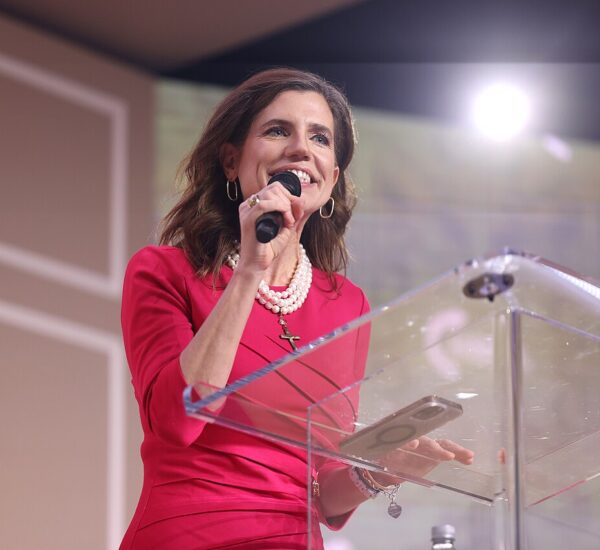
Rep. Alexandria Ocasio-Cortez is pushing a proposal to raise the federal minimum wage to $25 per hour, a dramatic increase that economists warn could drive up prices, reduce job opportunities, and place enormous pressure on small businesses across the country.
For millions of Americans already struggling with inflation, the plan is raising concerns that everyday costs—from restaurant meals to groceries and home services—could climb even higher.
Why Economists Say a $25 Minimum Wage Could Backfire
The current federal minimum wage has remained at $7.25 per hour since 2009. While some high-cost states such as California and New York have adopted wages above $16 an hour, many conservative-led states still follow the federal standard.
A nationwide jump to $25 per hour would more than triple labor costs in many parts of the country.
According to Santiago Vidal Calvo of the Manhattan Institute, higher wages do not occur in isolation.
When labor costs rise sharply, businesses often respond by:
- Increasing prices
- Cutting employee hours
- Freezing hiring
- Eliminating jobs
- Investing in automation
The result, economists say, can be fewer opportunities for workers and higher costs for consumers.
Survey Finds Overwhelming Opposition From Economists
Rebekah Paxton of the Employment Policies Institute said a survey of more than 160 economists found that 96% opposed proposals to raise the federal minimum wage above $20 per hour.
She noted that restaurants, hotels, retailers, and other labor-intensive industries would be particularly vulnerable.
These sectors often operate with slim profit margins, making it difficult to absorb sudden increases in payroll expenses.
Small Businesses Could Be Hit the Hardest
Nicole Huyer of The Heritage Foundation said small business owners may be forced to make painful decisions to survive.
Possible responses include:
- Raising prices on goods and services
- Reducing staff
- Cutting employee hours
- Delaying expansion plans
- Relocating to lower-cost areas
For retirees and seniors living on fixed incomes, those price increases could have an immediate impact on household budgets.
Red States Face the Greatest Risk
States such as Texas, North Dakota, and many others with lower costs of living could face the largest economic disruption.
In these states, family-owned businesses, local diners, and independent retailers may lack the financial cushion needed to absorb a rapid tripling of wage costs.
Critics argue that a one-size-fits-all federal mandate ignores the vast differences between local economies.
Automation Could Replace Entry-Level Jobs
A sharp increase in labor costs could accelerate the use of:
- Self-checkout machines
- Ordering kiosks
- Artificial intelligence tools
- Robotics in warehouses and restaurants
This trend may reduce opportunities for younger workers, part-time employees, and those seeking their first job.
Conservatives Favor State-Level Control
Many conservatives argue that wage policy should be determined by individual states rather than Washington bureaucrats.
Supporters of local control say state governments are better equipped to balance worker pay with economic realities and business conditions in their own communities.
Trump Supporters Warn of Higher Costs for Families
Critics of the proposal say it could worsen inflation at a time when many Americans are already paying more for food, housing, insurance, and utilities.
For older Americans and working families, the concern is simple: higher labor costs often lead to higher prices.
The Bottom Line
Rep. Ocasio-Cortez’s push for a $25 federal minimum wage is sparking a major national debate.
Supporters argue it would boost paychecks. Opponents warn it could increase inflation, eliminate jobs, and hurt the small businesses that serve as the backbone of communities across America.
As the debate unfolds, many voters are asking whether Washington should impose a sweeping national mandate—or allow states to make decisions based on their own economic conditions.
Who does this witch this she is. $25.00 wages pr our is unheard of. She isn’t even worth what she is getting paid. She think she knows is all. I think she is the rat who proposed the Green New Deal which is stealing more money from the citizens.