This is how you do a deal!
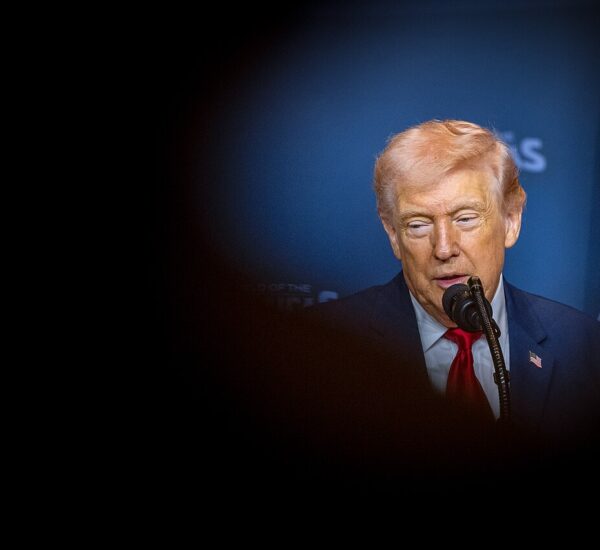
President Donald Trump announced Monday that the United States has reached a major new trade agreement with India—yet the development has received little attention from much of the national media.
According to the president, the deal was finalized following a direct phone call with Indian Prime Minister Narendra Modi and represents a significant shift in U.S.–India trade relations. Under the agreement, U.S. tariffs on Indian imports will be reduced from 25 percent to 18 percent, while India has agreed to scale back a wide range of tariffs and non-tariff barriers that have long restricted American exports.
Trump explained that the agreement is designed to expand access for U.S. businesses while strengthening domestic manufacturing and energy production. He said India committed to substantially increasing purchases of American-made goods, including energy, technology, agriculture, coal, and industrial products—totaling more than $500 billion over time.
In comments shared on Truth Social, the president emphasized that the agreement reflects a results-driven approach to trade policy, one focused on reciprocity rather than one-sided concessions. Trump also highlighted what he described as a strong working relationship with Modi, saying the two leaders are aligned on delivering tangible outcomes for their countries.
Beyond trade, Trump said the discussion included broader international issues, including global energy markets and ongoing geopolitical conflicts. According to the president, India agreed to reduce its dependence on Russian oil and expand energy purchases from the United States, a move Trump framed as beneficial to both American producers and global stability.
Prime Minister Modi later confirmed the tariff reduction in a public statement, thanking President Trump and calling the agreement a positive step for economic cooperation between the world’s largest democracies. Modi said the deal opens new opportunities for growth, investment, and long-term partnership between the two nations.
The announcement follows earlier action by the Trump administration last year, when a 25 percent tariff was imposed on Indian imports amid concerns over India’s continued purchase and resale of Russian oil. U.S. officials at the time argued that the practice undermined international pressure efforts and distorted global energy markets.
The timing of the agreement is also notable. Just days earlier, European officials announced that the European Union had completed its own trade negotiations with India, underscoring India’s rising influence in global commerce and America’s strategic interest in remaining competitive.
Despite the scale of the agreement and its potential impact on U.S. exports, energy independence, and domestic jobs, the deal has drawn relatively muted coverage from major media outlets. Supporters of the administration argue the lack of attention mirrors a broader pattern—where positive economic developments under President Trump receive far less focus than controversy.
For American workers, manufacturers, and energy producers, however, the implications are clear: expanded market access, stronger trade leverage, and a renewed emphasis on putting U.S. economic interests first.