Democrats Push Back on President Trump’s State of the Union Address but one Democrat accidentally said the quiet part out loud.
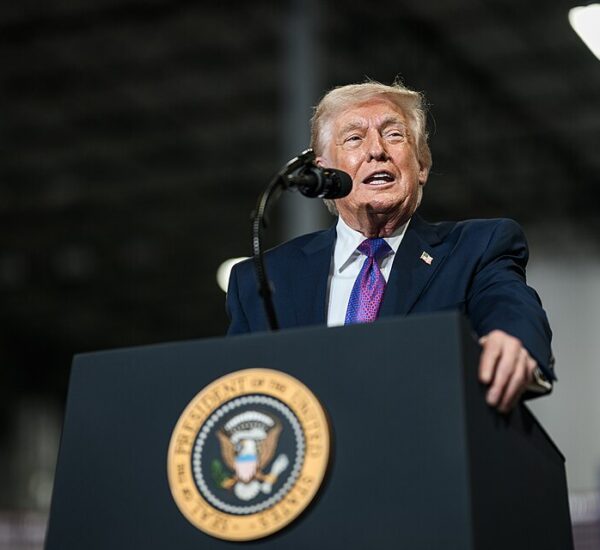
President Donald Trump’s latest State of the Union address sparked immediate reaction across Capitol Hill. Democratic lawmakers in both the House and Senate criticized the president’s economic messaging, immigration policies, and healthcare claims, accusing him of overstating progress.
But during the heated response, one unexpected admission stood out — and it may carry more weight than the critics intended.
As political tensions continue to shape Washington, issues like border security, inflation, and government spending remain front and center for millions of Americans, particularly older voters who have watched these debates unfold over decades.
Economic Affordability and Inflation Remain Key Flashpoints
During his nationally televised address, President Trump defended his economic record and pointed to policies from the previous administration as contributors to ongoing affordability challenges.
Several Democratic senators quickly rejected that framing.
Sen. Mark Warner of Virginia and Sen. Richard Blumenthal of Connecticut argued that Americans struggling with rising prices want solutions, not finger-pointing. They suggested voters expect accountability from the current administration.
Meanwhile, Sen. Ed Markey of Massachusetts objected strongly to Trump’s remarks about improving public health outcomes and reportedly left the chamber early in protest.
Sen. Cory Booker of New Jersey and Rep. Ilhan Omar of Minnesota also criticized the president’s address, using familiar talking points to challenge his credibility.
For many viewers — especially Americans concerned about retirement security, fixed incomes, and rising healthcare costs — the economic debate remains one of the most important issues heading into the next election cycle.
A Notable Admission on Border Security
However, amid the criticism, a moment emerged that caught attention.
While voicing concerns about immigration enforcement tactics, Sen. Richard Blumenthal stated:
“I’ve long favored border security. I’m pleased that the border is more secure.”
That brief acknowledgment aligns with one of President Trump’s central campaign promises: strengthening U.S. border security and enforcing immigration laws.
Although Blumenthal quickly followed his comment with criticism of enforcement methods inside the country, the recognition that border conditions have improved could reinforce the administration’s messaging to supporters.
Border security remains a high-priority issue among conservative voters, particularly those who view national sovereignty, crime prevention, and lawful immigration as foundational principles of American governance.
Immigration Enforcement and ICE Funding Debate
Immigration enforcement also became a central point of contention following the State of the Union.
Rep. Ilhan Omar criticized certain enforcement actions and raised concerns about specific cases involving her constituents. When asked about federal funding for Immigration and Customs Enforcement (ICE), she suggested significant reforms and accountability measures would be necessary before she would support continued funding.
This debate highlights a clear ideological divide in Washington:
- One side argues for stronger enforcement and tighter border control.
- The other raises concerns about humanitarian impact and civil liberties.
For many Americans — especially those over 50 who prioritize public safety, stability, and rule of law — immigration enforcement policies are viewed as essential to protecting communities and maintaining national order.
Why This Moment Matters Politically
State of the Union addresses often produce partisan reactions. That is nothing new.
However, when members of the opposition party acknowledge measurable progress on an issue like border security, it can shift the broader political narrative.
Immigration, inflation, and federal spending will likely remain dominant themes in upcoming congressional battles and future elections. For conservative voters, the debate is not simply about rhetoric — it is about policy outcomes.
The question many Americans are asking is straightforward:
- Are borders more secure?
- Are families safer?
- Is the economy improving?
- Is Washington spending responsibly?
Those concerns resonate strongly with older Americans who remember previous economic cycles and long-term policy shifts.
The Bigger Picture for 2026 and Beyond
As political tensions rise and campaign season approaches, every statement from lawmakers carries weight.
Whether critics intended it or not, the acknowledgment that “the border is more secure” reinforces a central claim made by President Trump and his supporters.
For voters focused on national security, fiscal responsibility, and long-term stability, moments like this are not easily dismissed.
Washington remains divided. But for millions of Americans watching from home — especially those who have lived through decades of political change — results matter more than rhetoric.
And as debates over immigration policy, federal funding, and economic recovery continue, the American people will ultimately decide which vision they believe best protects their future.