Where’s Xavier?
California Democratic gubernatorial candidate Xavier Becerra is facing growing scrutiny over his limited availability to reporters as voters prepare to choose the state’s next governor in November.
Becerra, the former Biden administration Health and Human Services secretary and former California attorney general, has reportedly gone nearly two months without participating in a traditional question-and-answer session with members of the press.
That strategy is becoming an issue in the race to succeed Gov. Gavin Newsom, particularly as Republican candidate Steve Hilton argues that Californians deserve more answers about Becerra’s lengthy record in public office.
With California families already concerned about the cost of living, taxes, housing, homelessness, immigration and public safety, questions about transparency and government accountability could become increasingly important as Election Day approaches.
Reporters Seek Answers From Becerra
According to California journalists Ashley Zavala of KCRA 3 and Jenny Huh of ABC10, Becerra was last formally made available for reporters’ questions on June 9.
That was approximately one week after California’s June 2 primary sent Becerra and Hilton into the November general election.
Questions about Becerra’s media availability intensified again Wednesday when he appeared at the California State Capitol for an event concerning voting rights.
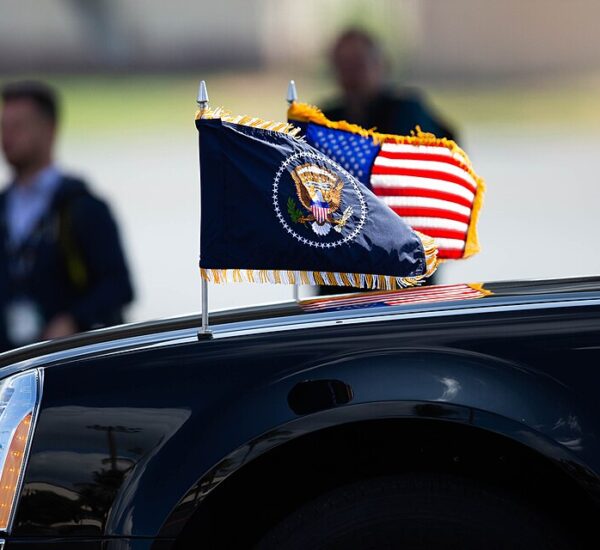
After the event, Becerra departed while reporters attempted to question him as he headed toward a waiting vehicle.
One reporter twice asked whether Becerra had any regrets about his tenure leading the Department of Health and Human Services. Becerra did not provide an answer.
ABC10’s Jenny Huh did manage to get a brief response when she asked whether he would accept Hilton’s challenge to participate in a debate.
Becerra answered yes.
However, his campaign has not yet announced when or where a debate would take place or how many debates the candidates could hold before the election.
Steve Hilton Turns Up the Pressure
Hilton, who has been endorsed by President Donald Trump, is attempting to turn Becerra’s limited press access into a larger question about political accountability.
The Republican candidate accused Becerra of campaigning as though California’s Democratic voter-registration advantage virtually guarantees him the governor’s office.
Hilton described his opponent’s campaign as “lazy, arrogant and entitled” and questioned why a candidate seeking one of America’s most powerful governorships would not spend more time answering questions from journalists.
He went even further by comparing Becerra’s approach to a political insider being elevated by an entrenched establishment rather than someone competing for the support of voters.
Those comments reflect Hilton’s partisan assessment of his Democratic opponent, but they underscore what could become a significant campaign theme: Does Becerra believe he needs to earn the votes of Californians, or can he rely primarily on the state’s Democratic advantage?
Democrats Have a Huge California Advantage
California’s voter-registration numbers demonstrate the difficult political landscape facing Republicans.
Heading into the primary, Democrats had nearly 10.4 million registered voters, accounting for approximately 44.9% of California’s electorate.
Republicans had approximately 5.8 million registered voters, representing just under 25%.
Becerra also finished first in the crowded June primary with approximately 28% of the vote.
Hilton finished second with roughly 25%, while progressive billionaire Tom Steyer received approximately 23%.
Republicans have another historical obstacle to overcome.
No Republican has won a California gubernatorial election since Arnold Schwarzenegger secured reelection in 2006.
That gives Becerra a significant built-in political advantage heading into November.
Hilton argues that the advantage makes public scrutiny even more important—not less.
Becerra’s Biden-Era Record Returns to Spotlight
One of the most serious controversies likely to follow Becerra throughout the campaign concerns his tenure as secretary of the Department of Health and Human Services under President Joe Biden.
Particular attention has been directed toward the federal government’s handling of unaccompanied migrant children.
John Fabbricatore, a senior adviser at the HHS Office of Refugee Resettlement, told the New York Post that roughly 330,000 cases concerning migrant children released while Becerra was in office have yet to be resolved.
Fabbricatore also alleged that more than 40 children processed through the system later died and that some children became victims of sexual trafficking or forced labor.
These are serious allegations involving a complicated federal immigration and child-welfare system. They do not establish that Becerra personally caused, authorized or knowingly permitted individual cases of abuse.
Nevertheless, the issue gives Hilton and other Republicans an opening to demand more information about Becerra’s management of HHS and the safeguards used to protect vulnerable children.
For voters concerned about border security, immigration enforcement and government accountability, Becerra’s federal record could become one of the most closely examined parts of the campaign.
Financial Scandal Involved Former Becerra Associates
Becerra’s political history is also attracting attention because of a criminal case involving people who previously worked within his political operation.
Dana Williamson, a veteran Democratic political strategist who oversaw financial accounts connected to Becerra’s campaign, is set to be sentenced on Sept. 17. She previously pleaded guilty to several federal offenses, including bank fraud, submitting a false tax return, and providing false information to the FBI.
According to federal prosecutors, Williamson helped Becerra’s former chief of staff, Sean McCluskie, secretly move approximately $225,000 from a campaign committee associated with Becerra into McCluskie’s personal bank account through fraudulent consulting arrangements.
Becerra has maintained that he had no knowledge of the scheme.
He was not accused or charged with wrongdoing in the criminal case.
That distinction is important. However, the controversy surrounding former members of his political circle could still generate questions as voters evaluate his decades-long career in government.
Becerra’s Taco Remarks Sparked Another Controversy
Becerra also generated criticism last month after making comments about California’s street-food culture during a conference of Latino leaders.
While discussing authentic California tacos, Becerra praised street vendors and suggested some of the state’s best food could be found at small carts rather than established restaurants.
Critics argued that his remarks appeared dismissive of traditional restaurant owners who pay taxes, obtain permits, employ workers and comply with state and local regulations.
Supporters could reasonably interpret the remarks differently, viewing them as nothing more than an attempt to celebrate California’s well-known street-food culture.
Either way, the episode provided another example of how spontaneous comments can quickly become campaign controversies.
Conservative Radio Hosts React
Becerra’s latest encounter with reporters quickly attracted attention on conservative talk radio.
KABC host John Phillips mocked the scene and compared Becerra’s departure to someone trying to escape intense media questioning outside a courthouse.
Co-host Randy Wang also criticized Becerra’s behavior, arguing that it was not what voters would normally expect from a candidate actively seeking their support.
The political criticism raises a broader issue that goes beyond either party.
Candidates asking voters to entrust them with control of a state government responsible for hundreds of billions of dollars in spending can expect difficult questions about their records, policies and priorities.
That is particularly true in California, where the next governor will inherit enormous challenges.
California’s Next Governor Faces Major Problems
The campaign is unfolding as California residents continue dealing with some of the nation’s most significant economic and quality-of-life concerns.
Housing affordability remains a major problem in many communities. Taxes and everyday expenses continue to weigh on family budgets, while homelessness, crime, energy costs and immigration remain politically contentious issues.
California’s next governor will also oversee a massive state government and will have considerable influence over education, transportation, environmental regulations, business policy, public safety and taxation.
For older Californians and retirees, questions surrounding affordability, property costs, insurance, healthcare and taxes can be particularly important.
Those issues provide both candidates with an opportunity to explain exactly how they intend to govern.
But voters cannot closely evaluate those plans unless candidates are willing to answer detailed questions.
Becerra Campaign Pushes Back
Becerra’s campaign disputes the suggestion that the Democratic candidate is avoiding public scrutiny.
Campaign spokesperson Jonathan Underland said Becerra is scheduled to attend a Politico summit Tuesday in Sacramento, where members of the press will have an opportunity to speak with him.
Underland also attacked Hilton, referring to the Republican candidate as Trump’s “lapdog.”
He argued that Becerra has instead been traveling throughout California, speaking directly with residents about their concerns and discussing how he intends to address the state’s problems.
That response suggests the Becerra campaign believes it can communicate effectively with voters without allowing its opponent to dictate when and where the Democratic candidate answers questions.
Will Becerra Debate Hilton?
The next major test could be a gubernatorial debate.
Becerra has now publicly indicated that he is willing to debate Hilton, but the details remain unsettled.
A debate would give California voters an opportunity to hear both candidates address some of the state’s biggest issues directly.
Hilton could press Becerra on his record at HHS, immigration, taxes, affordability, homelessness, public safety and California’s business climate.
Becerra would have an opportunity to defend his record while challenging Hilton’s proposals and his alliance with President Trump.
For voters, that type of direct exchange could provide considerably more information than campaign advertisements or carefully prepared speeches.
California’s 2026 Governor Race Heats Up
Becerra unquestionably enters the general election with advantages.
He finished first in the primary, Democrats dramatically outnumber Republicans among registered California voters, and the GOP has not won a gubernatorial election in the state for two decades.
But elections are ultimately decided by voters, not registration statistics.
Hilton’s challenge is to convince Californians that two decades of Democratic dominance have failed to solve the state’s biggest problems.
Becerra’s challenge is different.
After decades in government, he must convince voters that his experience makes him the right person to lead California after Newsom—and that his record can withstand scrutiny.
That makes his interactions with reporters more than a minor campaign story.
For Californians concerned about taxes, housing, immigration, public safety, government spending and the cost of living, the larger question is straightforward:
Will both candidates provide voters with the answers they need before Election Day?