Democrats Holding 10-Point Lead
With the 2026 midterm elections just days away, a new national poll is delivering troubling news for Republicans hoping to maintain control of Congress.
According to an Emerson College Polling survey released Friday, October 30, Democrats hold a 10-percentage-point advantage over Republicans among likely voters, raising questions about the GOP’s chances of protecting its congressional majorities.
The survey found that 52% of likely voters support Democratic congressional candidates, compared to 42% who favor Republicans. Approximately 5% remain undecided.
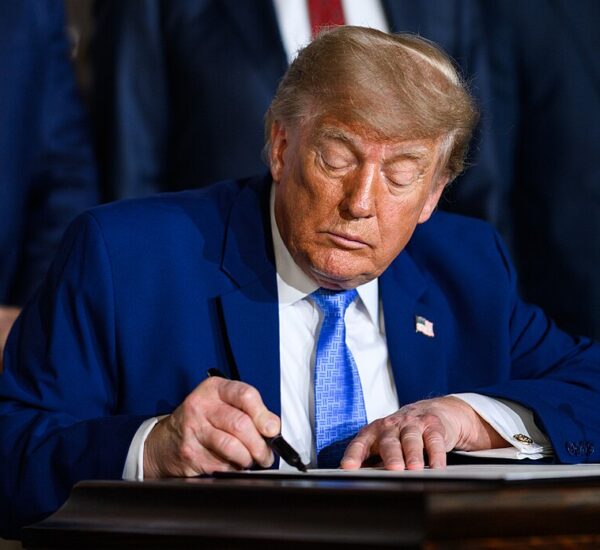
The findings come as President Donald Trump and Republican leaders make their final appeals to voters ahead of the November 3 elections.
Democrats Maintain Significant Advantage
The latest results suggest Democrats have maintained their advantage throughout the closing weeks of the election season.
In September, Emerson College reported an 11-point Democratic lead, with Democrats receiving 53% support compared to 42% for Republicans.
Although the gap has narrowed slightly, the Republican share of the vote has remained unchanged.
Spencer Kimball, executive director of Emerson College Polling, explained that Republican support has remained at 42% since the organization began tracking congressional preferences approximately 15 months ago.
During that same period, Democratic support increased from 44% to 52%, indicating that the opposition party has made substantial gains with voters.
However, national polling does not necessarily predict the outcome of individual congressional races. Republicans could still outperform expectations in competitive districts where local candidates and regional concerns influence voter decisions.
Trump’s Approval Rating Presents Another Challenge
The survey also revealed concerning numbers for President Trump.
According to the findings, just 37% of likely voters approve of Trump’s job performance, while 57% disapprove.
That represents a significant change from the beginning of Emerson’s tracking period, when Trump’s approval and disapproval ratings stood at 46% and 47%, respectively.
The president’s declining approval numbers could complicate Republican efforts to retain control of the House and Senate.
However, congressional elections are determined by individual races, and voters may evaluate Republican candidates differently from how they assess the president.
For GOP candidates, the challenge will be convincing voters to consider their records, policy proposals, and positions on important issues rather than focusing exclusively on national political frustrations.
Economic Concerns Remain a Major Factor
Despite the attention surrounding national political figures, the economy remains a leading concern for Americans.
The Emerson survey found that 34% of voters identified the cost of living as the issue most influencing their congressional vote.
Another 28% selected fighting government corruption, while 10% pointed to lowering taxes.
Immigration reform received 8%, followed by ending the Iran war and healthcare reform at 6% each.
These findings highlight the importance of everyday financial concerns as Americans prepare to cast their ballots.
For older Americans, issues such as retirement security, healthcare expenses, inflation, and the purchasing power of fixed incomes remain important considerations when evaluating political candidates.
Republicans have emphasized tax relief, immigration enforcement, and economic policies as central components of their agenda. Democrats, meanwhile, have sought to capitalize on public frustration over household expenses and questions surrounding government accountability.
The survey suggests that both parties face pressure to demonstrate how their proposals would improve Americans’ financial circumstances.
Voter Enthusiasm Could Make the Difference
Another notable finding involves enthusiasm heading into Election Day.
The poll found that 76% of Democrats describe themselves as very excited to participate in the midterm elections.
By comparison, 64% of Republicans and 62% of independents expressed the same level of enthusiasm.
That difference could become particularly important in closely contested congressional districts.
Strong voter participation can help determine whether candidates exceed polling expectations or fall short in races decided by narrow margins.
Republicans are working to mobilize supporters in the final days, while Democrats are hoping their enthusiasm advantage translates into greater participation at the ballot box.
Control of Congress Remains at Stake
The November elections will determine whether Republicans can continue advancing their legislative priorities or whether Democrats gain enough seats to challenge the Trump administration’s agenda.
A Democratic victory in the House could significantly change the political environment in Washington, including congressional oversight, federal spending negotiations, and the prospects for future legislation.
Republicans, on the other hand, are seeking to preserve their majorities and maintain the ability to advance their policy goals.
Despite the Democratic advantage in national polling, the outcome remains unsettled.
The Emerson College survey was conducted October 24-26 among 1,000 likely voters nationwide and carries a credibility interval of approximately plus or minus 3 percentage points.
With Election Day approaching, both parties face a critical test of their ability to turn voter support into actual ballots.
The latest numbers favor Democrats, but Republicans still have an opportunity to outperform the polls. The final decision will rest with American voters on November 3.