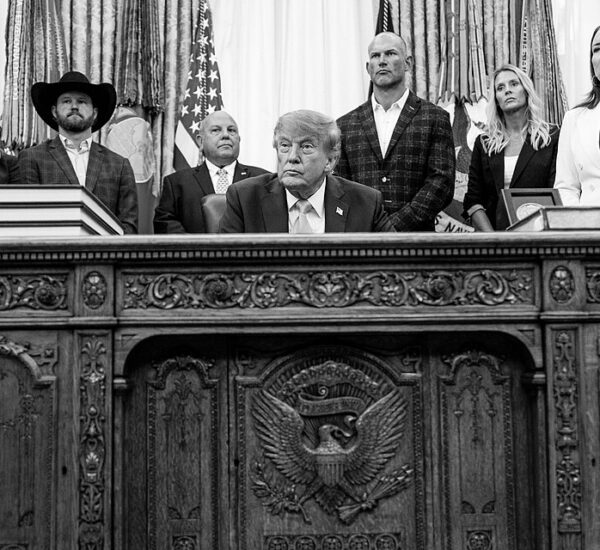
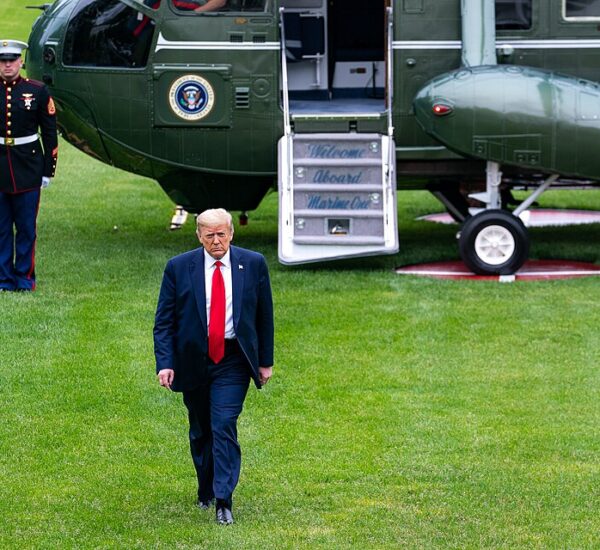
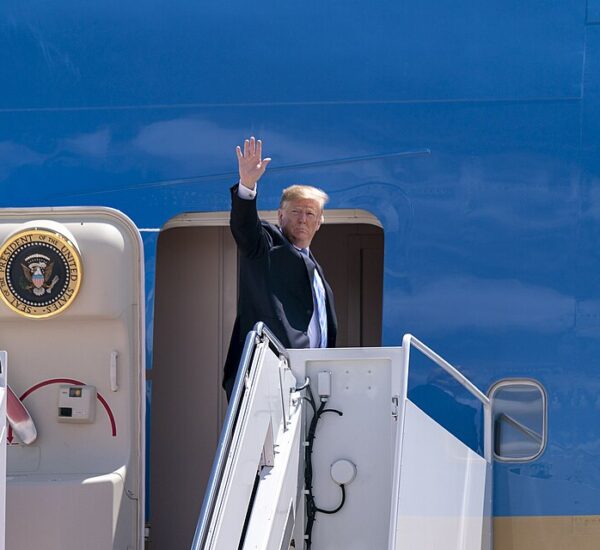
President Donald Trump drew renewed attention during the NATO summit in Ankara, Turkey, after making several verbal missteps while discussing foreign policy, Iran, Ukraine, and social media. The remarks prompted criticism from opponents, with some raising questions about the president’s mental sharpness, though Trump also corrected at least one of the mistakes during the event.
BACKGROUND
During the summit, Trump mistakenly referred to the “Islamic Republic of Japan” while recounting a story about missile attacks on the USS Abraham Lincoln. He also briefly appeared to confuse Ukrainian President Volodymyr Zelensky with Russian President Vladimir Putin before correcting himself while taking questions from reporters. In another exchange, Trump referred to the Iran nuclear agreement by its formal acronym, the JCPOA, despite previously criticizing it as the “Obama Nuclear Waste Deal” and arguing it helped Iran move toward a nuclear weapon. Trump also repeated his claim that he is the number one figure on TikTok, but briefly called the platform “Tic Tac” before using its correct name again, even as public follower counts show he has more than 16 million followers compared with Taylor Swift’s more than 30 million.
Nebraska Republican Gets Booed
Rep. Mike Flood (R-Neb.) faced sharp criticism from some attendees during a town hall meeting Tuesday evening as he defended President Donald Trump’s sweeping tax and spending package, highlighting the ongoing national debate over the legislation’s impact on Medicaid and federal spending.
The discussion became tense after an audience member asked what Congress was doing to protect benefits for Americans with disabilities under the new law.
As Flood began explaining provisions of what Republicans have called the One Big Beautiful Bill, portions of the audience interrupted with loud boos, making it difficult for him to finish his remarks.
Despite the interruptions, Flood defended the legislation, arguing that its reforms are intended to strengthen government programs for the long term rather than reduce support for those who depend on them.
According to Flood, lawmakers acted to preserve Medicaid by addressing financial challenges before they become more severe. He said the goal is to ensure the program remains available for the Americans who need it most, including people with developmental disabilities, individuals living with serious mental illness, and older adults.
The Nebraska Republican also rejected claims that the legislation weakens Medicaid, saying Congress adopted what he described as a bipartisan, commonsense approach designed to protect the program’s future while improving accountability.
The One Big Beautiful Bill Act was approved through the budget reconciliation process, allowing Senate Republicans to pass the measure with a simple majority instead of the usual 60 votes needed to overcome a filibuster. Every congressional Democrat voted against the legislation, arguing that several of its Medicaid provisions could reduce access to healthcare for some Americans.
Tuesday’s town hall was not the first time Flood has faced difficult questions over the bill.
During an earlier town hall, audience members interrupted his remarks with boos and chants of “tax the rich” as he defended the legislation and repeated his position that the reforms are intended to preserve Medicaid for future generations.
Flood also faced criticism at another public meeting in May, where constituents questioned a provision that would limit the ability of federal judges to hold government officials in contempt for violating court orders.
At the time, Flood acknowledged that he did not support that specific provision after it was added to the legislation. However, an audience member pointed out that he ultimately voted in favor of the overall bill.
The exchange reflects the continuing political divide surrounding President Trump’s legislative agenda. Republicans argue the package is designed to reduce wasteful spending, strengthen entitlement programs over the long term, and promote fiscal responsibility. Democrats maintain that portions of the legislation could make it more difficult for some Americans to qualify for healthcare benefits.
As lawmakers continue defending their votes back home, town hall meetings are expected to remain an important venue for voters to question members of Congress about the law and its long-term effects.