Boebert Speaks On Latest Trump Crack Down
President Donald Trump’s administration is facing a new political showdown in Washington after federal investigators searched the home of Democratic Rep. Ilhan Omar, bringing renewed attention to allegations surrounding her immigration records and prompting a fierce debate over accountability in Congress.
The investigation has become a major political controversy, drawing attention from Republicans and Democrats alike. Colorado Republican Rep. Lauren Boebert is among the prominent conservative lawmakers associated with the political battle surrounding Omar, whose immigration history has faced questions from Trump and his allies for years.
At the center of the controversy is a straightforward but important issue: whether federal authorities have sufficient evidence to pursue allegations involving a sitting member of Congress.
Trump Administration Intensifies Investigation Into Ilhan Omar
On Monday, October 12, federal agents with Homeland Security Investigations searched Omar’s Washington, D.C., residence as part of an ongoing criminal investigation.
The Department of Justice confirmed that investigators executed a search warrant approved by a federal judge.
According to reports, the investigation involves questions about immigration documents associated with Omar’s family, including paperwork dating back to her arrival in the United States as a child.
Omar, who represents Minnesota’s 5th Congressional District, has repeatedly denied wrongdoing and maintains that allegations concerning her immigration history are politically motivated.
Federal authorities have not publicly established that Omar committed immigration fraud, and the execution of a search warrant does not establish criminal guilt.
Nevertheless, the investigation marks a significant development in the Trump administration’s ongoing confrontation with one of the president’s most outspoken Democratic critics.
Boebert And Republicans Face Renewed Questions About Accountability
Boebert has established herself as a vocal conservative voice in Congress, frequently emphasizing border security, immigration enforcement, and the importance of holding Washington officials accountable.
The latest investigation involving Omar brings those issues back into the national spotlight.
For Republicans who have made immigration enforcement a central priority, the controversy raises questions about whether elected officials should face the same scrutiny as other Americans when federal investigators identify potential legal violations.
The debate also comes as the Trump administration continues emphasizing stronger enforcement of federal immigration laws.
Supporters of strict immigration enforcement argue that government officials have a responsibility to follow existing laws and that congressional status should not prevent legitimate investigations.
However, investigators must still meet the same legal standards that apply in other criminal cases, including constitutional protections and the presumption of innocence.
Trump Responds As Democrats Criticize Federal Search
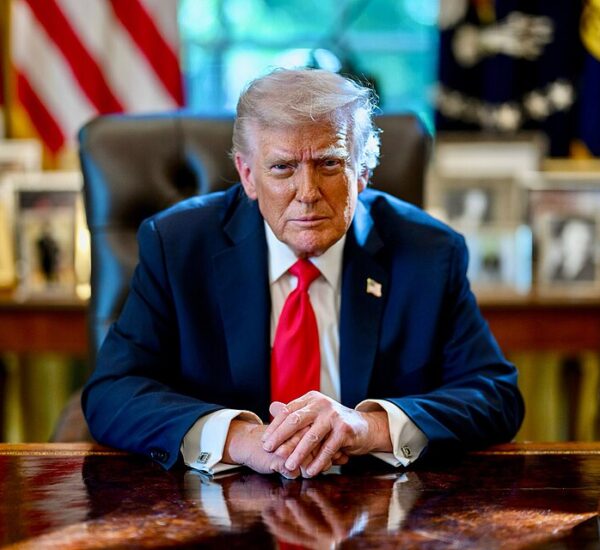
President Trump addressed the controversy after news of the search became public.
The president has repeatedly criticized Omar over her political positions and has questioned allegations surrounding her background.
Following the search, Trump indicated that federal authorities were examining the matter closely while distancing himself from direct involvement in the operation.
Omar responded by accusing the administration of using federal law enforcement to intimidate political opponents.
Democratic leaders also questioned the timing of the investigation, which comes just weeks before the November 3 midterm elections.
They argued that searching the home of a sitting congresswoman during an election campaign raises serious concerns about potential political interference.
The Justice Department, meanwhile, has confirmed that the search was legally authorized as part of an ongoing investigation.
The competing reactions underscore the growing political divide over the administration’s enforcement priorities.
Questions About Immigration Records Remain Unanswered
Omar was born in Somalia and came to the United States with her family after spending part of her childhood in a refugee camp.
She later became an American citizen and was elected to Congress in 2018.
Questions about aspects of her family’s immigration documentation have circulated for years, although Omar has consistently rejected allegations of fraud.
Recent reporting indicates investigators are examining whether information included in historical immigration and citizenship records was accurate.
Those questions remain under investigation, and no publicly disclosed finding has established that Omar deliberately submitted fraudulent documents.
Separately, reports have indicated that federal prosecutors are examining issues involving Omar’s financial disclosures.
Both matters remain unresolved.
Immigration Enforcement Becomes Major Political Issue
The investigation arrives as immigration enforcement continues to be a defining issue of Trump’s presidency.
His administration has placed significant attention on border security, immigration-related fraud, and enforcement of federal law.
For many Americans, the controversy involving Omar raises broader questions about transparency and the responsibilities of public officials.
Congressional representatives are entrusted with writing federal laws, overseeing government agencies, and protecting the interests of their constituents.
That responsibility also places elected officials under considerable public scrutiny when allegations of wrongdoing emerge.
At the same time, federal law enforcement agencies are expected to operate independently and base investigative decisions on evidence rather than political disagreements.
Those principles will remain central as the investigation develops.
What Happens Next?
The investigation could have significant political consequences depending on what federal authorities uncover.
Investigators may continue reviewing documents, gathering testimony, and examining records connected to the allegations.
Whether that process ultimately results in criminal charges remains uncertain.
For now, Omar maintains her innocence, while the Trump administration faces growing pressure to explain the basis and timing of the federal action.
The controversy also highlights the tensions surrounding immigration policy, congressional accountability, and the proper use of federal investigative powers.
With the midterm elections approaching, the political consequences could extend beyond Minnesota and influence the broader national debate over President Trump’s immigration agenda.
The central question remains whether investigators will uncover evidence supporting the allegations or whether the investigation will conclude without criminal charges.
Until federal authorities disclose additional findings, that question remains unanswered.