Judge Weighs In On Trump’s Big Ban
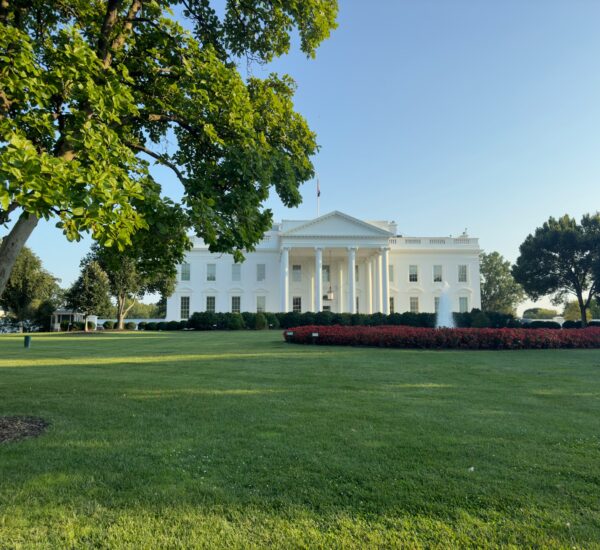
A federal judge is weighing a major legal challenge to President Donald Trump’s decision to bar CNN, Politico and MS NOW journalists from the White House, putting press access and First Amendment protections at the center of a closely watched courtroom fight.
U.S. District Judge Timothy Kelly heard arguments Wednesday, September 23, on the news organizations’ request for a temporary restraining order that would restore their reporters’ White House access while the broader lawsuit moves forward.
Kelly did not immediately issue a ruling. During the hearing, however, he questioned whether the administration’s restrictions were consistent with previous federal court decisions involving White House press access.
CNN, Politico and MS NOW Challenge Trump White House Ban
CNN, Politico and MS NOW filed their lawsuit after Trump announced that the three news organizations would no longer be permitted access to White House grounds.
Trump has accused the outlets of publishing false or misleading coverage. The organizations argue that the administration retaliated against them because of reporting the president disliked and that the restrictions violate constitutional protections.
Their lawsuit raises questions involving both the First Amendment and due-process protections.
The dispute could ultimately help determine how much authority a president has to restrict established news organizations from accessing White House facilities.
Justice Department Defends White House Restrictions
The Trump administration has defended its decision and urged the court not to immediately restore the outlets’ access.
Justice Department attorneys argue that entry to the White House complex is a privilege rather than an unrestricted right and that journalists granted access must comply with security requirements and professional standards.
The administration has also cited concerns involving sensitive or classified information as part of its justification for restricting access.
The news organizations dispute the government’s reasoning and contend that the action amounts to unconstitutional retaliation for their coverage.
Judge Timothy Kelly Questions Legal Basis for Ban
Kelly’s comments during Wednesday’s hearing drew particular attention.
According to Reuters, the judge questioned whether the White House policy complied with existing federal appellate precedent governing press access. The questions suggested that the court is closely examining whether the administration followed the legal procedures required before denying journalists access.
That distinction could be important.
The case is not simply about whether journalists have an unlimited right to enter the White House. Instead, one central issue is whether the government may grant press access under established rules and then remove that access because officials object to an outlet’s reporting.
CNN, Politico and MS NOW argue that it cannot.
The administration argues that its decision was based on legitimate standards involving conduct, security and access.
Trump Says He Could Restore Access if Court Rules Against Him
Trump has acknowledged that the federal court could reject his administration’s position.
He indicated this week that the outlets could regain access if the judge rules against the White House.
For now, however, CNN, Politico and MS NOW reporters remain barred from White House grounds as the legal dispute continues.
Case Echoes 2018 CNN White House Dispute
Judge Kelly has dealt with a similar confrontation involving CNN before.
In 2018, the Trump White House revoked correspondent Jim Acosta’s press credential following a contentious exchange during a presidential news conference.
Kelly later ordered the administration to temporarily restore Acosta’s credential while the dispute was litigated.
The current lawsuit differs in important ways, but the earlier case is again drawing attention because it addressed procedural protections surrounding White House press access.
Major Networks Respond to White House Media Fight
The dispute has also affected television coverage of the president.
After CNN was removed from its traditional role in the White House television pool, other major television networks suspended certain pooled video coverage.
The White House press pool allows a limited number of journalists to attend presidential events when space prevents every news organization from participating. Those journalists then provide reporting, video and other material to the wider press corps.
The pool system has become another point of conflict between the Trump administration and major news organizations.
Why the White House Press Case Matters
The lawsuit could have consequences that extend beyond CNN, Politico and MS NOW.
Federal courts have previously addressed whether government officials can remove journalists from established press-access systems without sufficient procedural protections or because of disagreements over coverage.
The Trump administration maintains that presidents and White House officials have broad authority to control access to secure government facilities.
The news organizations argue that once the government establishes a system for granting journalists access, officials cannot selectively punish outlets for their editorial viewpoints.
That constitutional disagreement is now before the federal courts.
What Happens Next?
Kelly must decide whether to grant the temporary restraining order sought by CNN, Politico and MS NOW.
A ruling in favor of the news organizations could restore their reporters’ access while litigation continues. A ruling for the administration would leave the current restrictions in place while the case proceeds.
Either outcome at this preliminary stage would not necessarily resolve the underlying lawsuit.
The broader case could continue as the courts consider questions involving presidential authority, press freedom, due process and the rules governing access to the White House.
With both the administration and several major news organizations standing firmly behind their positions, the dispute could become an important test of the legal boundaries surrounding White House press access.