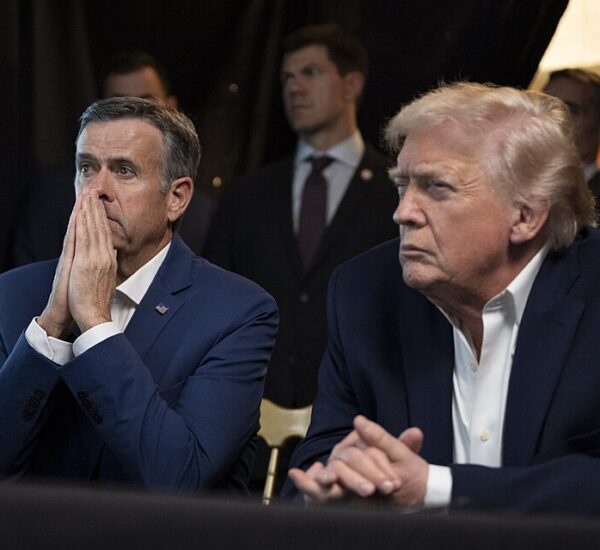
Nobody even believed President Trump would have to deal with this back in 2016.
President Donald Trump’s administration is confronting a new national security challenge as rapid advances in artificial intelligence transform the nature of cybercrime.
The growing threat could have far-reaching consequences for America’s economy, financial institutions, government agencies and essential public services.
Cybersecurity specialist John Walsh recently spoke with Fox News about the increasing sophistication of AI-enabled cybercrime.
Technology that once required the resources of major foreign governments is becoming increasingly accessible to individuals, creating new challenges for those responsible for protecting America’s digital infrastructure.
Artificial Intelligence Raises National Security Concerns
Unlike traditional cybersecurity threats, emerging artificial intelligence systems can perform complicated digital tasks with relatively little human involvement.
While these advancements offer significant benefits for American businesses, they also introduce new security vulnerabilities.
Banks, energy providers, hospitals, transportation networks and government agencies all depend heavily on computer systems to maintain daily operations.
Protecting these institutions from emerging cybersecurity threats is essential to maintaining economic stability and national security.
What This Could Mean for American Families
The consequences of inadequate cybersecurity extend well beyond Washington.
Millions of Americans depend on digital technology to manage their retirement savings, access Social Security benefits, pay household bills and communicate with healthcare providers.
Significant disruptions to these services could create financial uncertainty and interfere with everyday life.
Identity theft, financial fraud and the protection of sensitive personal information are also important considerations as artificial intelligence becomes more widely available.
Americans can take practical precautions by using strong passwords, enabling two-factor authentication, monitoring financial accounts and keeping their electronic devices updated.
Washington Faces a Growing Responsibility
For the federal government, one of the biggest challenges will be ensuring that America’s cybersecurity capabilities keep pace with technological innovation.
Modernizing government computer systems, strengthening infrastructure protections and improving cooperation with private businesses could help reduce future security risks.
At the same time, policymakers must distinguish genuine cybersecurity incidents from ordinary technical failures. Service interruptions alone do not establish that a coordinated cyberattack has occurred.
Careful investigations, reliable information and effective emergency planning remain essential to maintaining public confidence.
Protecting America’s Economic and National Security
Artificial intelligence could contribute significantly to American economic growth, technological leadership and business development in the years ahead.
However, protecting the country from the potential misuse of this technology will require continued investment in cybersecurity, responsible government oversight and stronger digital defenses.
For the Trump administration, the challenge is to encourage American technological innovation while ensuring that the nation’s financial systems, critical infrastructure and personal information remain adequately protected.
As artificial intelligence continues to evolve, cybersecurity preparedness could become one of the most important national security priorities facing the United States.