El-Sayed Doubles Down On TrumpCare
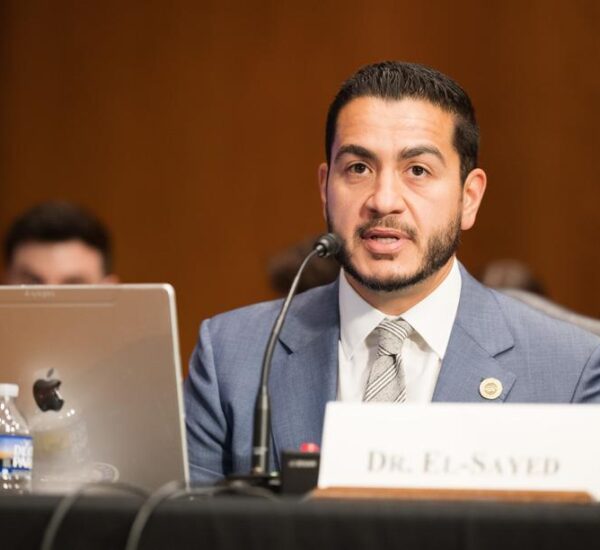
Michigan Democratic Sen.-elect Abdul El-Sayed is renewing his push for a nationwide government-funded health care system, even offering to name the program after President Donald Trump if it helps secure his support.
During a Sunday appearance on NBC’s “Meet the Press,” El-Sayed indicated that he would be willing to rebrand the progressive Medicare for All proposal as “TrumpCare” if doing so helped get the legislation through Congress.
The incoming Michigan senator made it clear that passing the legislation was more important to him than determining who receives political credit.
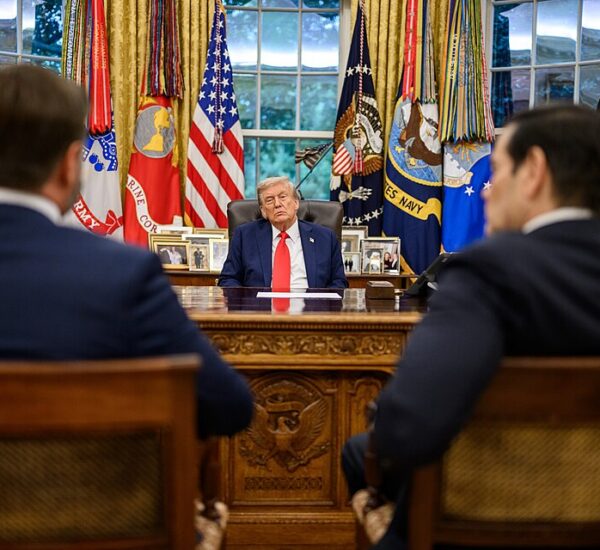
El-Sayed’s comments came after Trump attracted attention by sharing an image of the Democrat’s proposed health insurance card on Truth Social. The gold-colored card prominently featured the president’s name.
However, Trump’s decision to share the proposal does not necessarily mean he has endorsed the underlying policy.
El-Sayed, who made universal health care a central part of his Senate campaign, believes Trump could influence Republican lawmakers to consider supporting the legislation.
The proposal would represent a major departure from America’s existing health care system, replacing most private insurance coverage with a federally funded program.
Supporters of Medicare for All argue that universal coverage could reduce household medical expenses and simplify the insurance process. Critics, however, have raised concerns about increased federal spending, potential tax increases and the consequences of expanding Washington’s authority over health care.
For retirees and Americans approaching retirement, any significant changes to the nation’s health care system could raise important questions about existing Medicare benefits, prescription drug expenses and access to trusted physicians.
While Republicans and Democrats generally agree that medical costs remain a significant burden for American families, the two parties have traditionally differed over how to address the problem.
El-Sayed’s willingness to work with Trump represents an unconventional approach to advancing a longstanding progressive policy objective.
Whether Republican lawmakers would entertain such a substantial expansion of government-funded health care remains uncertain.
Ultimately, changing the name of Medicare for All would do little to resolve the larger debate surrounding its financial costs, implementation and long-term impact on American patients and taxpayers.