Republican Urges Trump To Privative What?
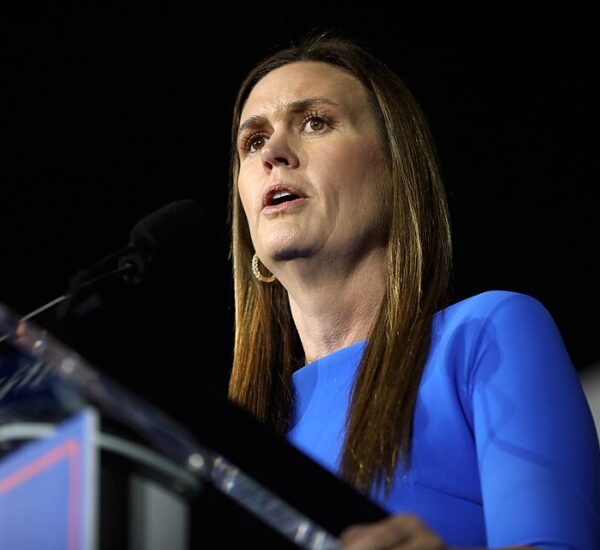
Republican Sen. Tommy Tuberville of Alabama is calling for President Donald Trump to consider a major change to America’s air traffic control system, raising the possibility of turning operations over to the private sector following a nationwide aviation disruption that left thousands of travelers stranded.
The proposal comes as Washington faces growing questions about government efficiency, outdated technology, and whether federal agencies are equipped to manage the nation’s increasingly complicated transportation infrastructure.
For millions of Americans who depend on reliable air travel, the debate has become about more than politics. It now involves passenger safety, government accountability, and how taxpayer dollars are being spent.
Republican Pushes For A Different Approach
Tuberville’s call for privatization reflects his longstanding criticism of federal bureaucracy and his belief that private companies can sometimes deliver services more efficiently than government agencies.
The Alabama Republican has previously advocated transferring airport security responsibilities away from the federal government, arguing that excessive bureaucracy can contribute to inefficiency and unnecessary disruptions.
Now, the nation’s air traffic control system is facing renewed scrutiny following a major equipment failure that temporarily brought departures across the United States to a halt.
Privatizing air traffic control would represent a significant departure from the current system, which operates under the Federal Aviation Administration.
Supporters of such a change argue that an independently managed system could modernize equipment more quickly, improve accountability, and reduce dependence on Washington’s lengthy budget negotiations.
However, critics warn that transferring control to a private organization could create new concerns involving oversight, aviation safety, and the interests of smaller airports.
Nationwide Flight Disruption Raises Serious Questions
The latest debate follows a nationwide ground stop on Friday, November 13, after a failure involving the FAA’s communications infrastructure.
The disruption affected thousands of flights, creating widespread delays and cancellations as airlines struggled to restore their schedules.
Federal transportation officials indicated that the problems emerged during work to replace outdated copper communications lines with modern fiber-optic technology.
The equipment failure highlighted the challenges of maintaining an aviation network that still depends on technology developed decades ago.
For travelers, especially older Americans who frequently fly to visit family members or attend important events, these disruptions can create substantial financial and personal hardships.
Missed connections, unexpected hotel expenses, and lengthy airport delays have renewed questions about whether Washington has done enough to keep America’s transportation infrastructure functioning properly.
Trump Demands Major Improvements
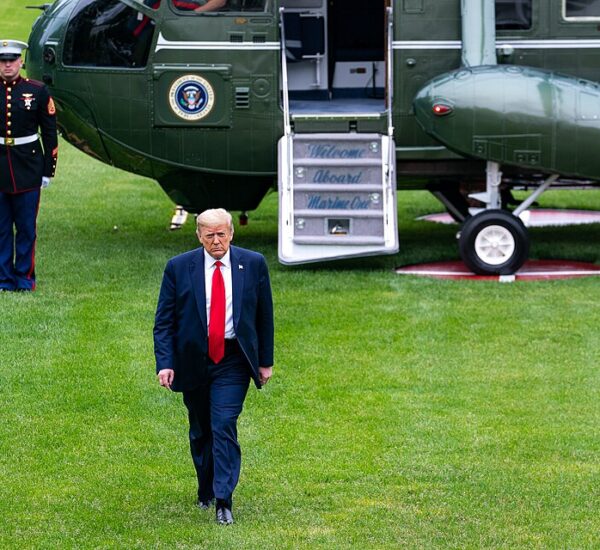
President Trump has also expressed frustration with the condition of the nation’s air traffic control system.
Following the disruption, Trump urged Congress to approve additional funding to accelerate modernization efforts.
The president argued that the country should not continue upgrading critical aviation infrastructure through slow, piecemeal improvements when a more comprehensive overhaul is needed.
Transportation Secretary Sean Duffy has similarly warned that significant investments are necessary to replace aging equipment and prevent additional disruptions.
Congress previously approved $12.5 billion toward aviation modernization in 2025, but administration officials maintain that substantially more funding will be required.
Duffy has called for a broader modernization effort costing approximately $50 billion.
The debate is likely to intensify as lawmakers examine whether additional federal spending, changes in management, or a combination of both would produce the best results.
Could Privatization Save Taxpayers Money?
One of the biggest questions surrounding Tuberville’s proposal is whether private management could reduce costs while maintaining the strict safety standards required in American aviation.
Supporters frequently point to Canada, where air traffic control services are managed by NAV CANADA, an independent nonprofit organization established in 1996.
That system relies primarily on aviation-related fees rather than annual government appropriations.
Advocates believe a similar arrangement in the United States could provide more predictable funding, allowing technology upgrades and infrastructure improvements to move forward without repeated congressional budget battles.
Nevertheless, privatization would not automatically eliminate expenses or guarantee better performance.
Any transition would require careful planning to protect passengers, maintain adequate staffing, and ensure smaller communities continue receiving essential aviation services.
Congress would also have to address how the system would be funded, who would oversee operations, and what safeguards would prevent financial considerations from interfering with public safety.
A Bigger Debate About Government Efficiency
Tuberville’s position fits into a broader Republican discussion about reducing federal bureaucracy and exploring alternatives to traditional government management.
For many fiscal conservatives, the central concern is whether taxpayers are receiving dependable services in exchange for billions of dollars in federal spending.
America’s aviation system plays a critical role in commerce, tourism, emergency transportation, and everyday family travel.
When that system fails, the consequences reach far beyond delayed airline departures.
Businesses lose productivity, families miss important occasions, and consumers can face unexpected expenses.
The latest breakdown has placed additional pressure on federal officials to demonstrate that modernization efforts are producing measurable results.
It has also renewed debate over whether decades of government oversight have delivered the technological improvements necessary to keep pace with modern aviation.
What Happens Next?
For now, the Trump administration is focused on securing additional resources and accelerating the modernization of the nation’s air traffic control infrastructure.
Tuberville’s privatization proposal introduces another possibility into an increasingly urgent national discussion.
Whether Washington ultimately chooses private management, continued federal oversight, or a different approach, lawmakers will face pressure to ensure that passenger safety remains the top priority.
The larger question is whether America’s leaders can deliver a dependable aviation system without allowing bureaucratic delays and mounting costs to continue creating problems for travelers.
With the busy holiday travel season approaching, that question could soon become even more important for millions of Americans.