Democrats Have No Affordability Solution
Democrats may have celebrated their victories in the 2026 midterm elections, but a much bigger challenge now awaits them: proving they can actually make life more affordable for American families.
Political analyst and polling expert Patrick Allocco has repeatedly emphasized the importance of affordability in American elections. With Democrats now preparing to control both chambers of Congress, questions are growing about whether their economic promises can produce meaningful results.
The November 3 elections demonstrated just how frustrated Americans have become with the rising costs of groceries, gasoline, housing, and healthcare. Those concerns helped Democrats secure major victories, but winning elections and delivering economic relief are two very different challenges.
For millions of Americans, the real test will be whether their household expenses finally begin to ease.
Democrats Face Pressure To Deliver Results
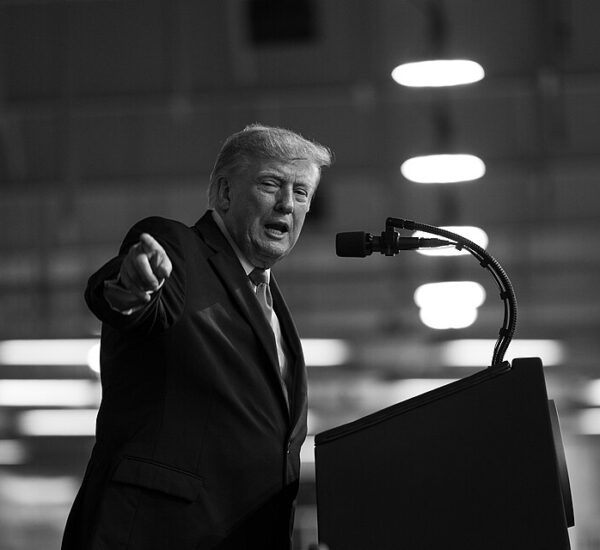
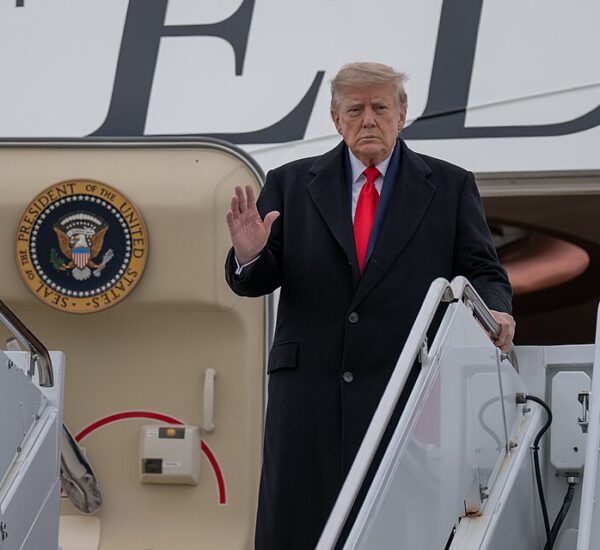
Throughout the midterm campaign, Democratic candidates placed affordability at the center of their message. They criticized President Donald Trump’s economic policies and promised to address the financial pressures facing ordinary Americans.
Now that voters have given Democrats control of Congress, those campaign promises will face greater scrutiny.
Democratic leaders have discussed restoring healthcare subsidies, reversing certain federal spending reductions, and challenging some of Trump’s tariff policies.
However, critics question whether those proposals will provide immediate relief for families struggling with everyday expenses.
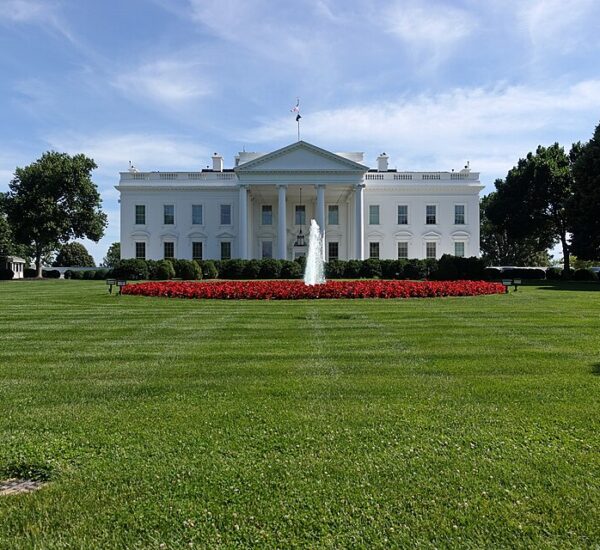
There is also the issue of divided government. Although Democrats will control Congress beginning in January, Trump will remain president, and legislation could face significant obstacles in the Senate or a presidential veto.
That means Democrats could find themselves unable to deliver some of the economic changes they promoted during the campaign.
Affordability Remains A Major Concern
For many households, financial pressures have accumulated over several years.
Higher grocery bills, expensive insurance premiums, housing costs, and gasoline prices have forced Americans to reconsider how they spend their money.
Retirees and people living on fixed incomes face particular difficulties because they have less flexibility when essential expenses increase.
Families approaching retirement are also concerned about protecting their savings while managing rising living costs.
These concerns transcend party politics.
Allocco previously identified food, housing, gasoline, and healthcare as four major affordability issues shaping voter attitudes. His analysis emphasized that political candidates cannot afford to dismiss the financial frustrations Americans experience in their daily lives.
Those issues remain important following the elections.
Americans are looking for practical solutions, not simply another round of political promises.
Republicans Have An Opportunity To Rebuild
The election results also present an important challenge for the Republican Party.
After losing control of Congress, Republicans must consider why voters turned away from their candidates and how they can rebuild public confidence.
Economic dissatisfaction played a significant role in the Democratic victories, suggesting that Republicans will need to make affordability a central priority moving forward.
For the GOP, that could mean placing greater emphasis on energy costs, responsible federal spending, economic growth, and policies intended to strengthen household purchasing power.
Republicans may also have opportunities to challenge Democratic proposals they believe would increase government spending without providing lasting relief.
However, criticism alone may not be enough.
Voters will expect Republicans to offer credible alternatives that address the same financial concerns that helped decide the midterms.
Democrats Could Face A Difficult Road Ahead
Despite their electoral success, Democrats face several obstacles that could complicate their affordability agenda.
Reducing prices across the economy is difficult, particularly when the country is dealing with persistent inflationary pressures, high borrowing costs, and economic uncertainty.
Some Democratic proposals could reduce specific household expenses, especially in healthcare. But broader improvements in purchasing power may take considerably longer.
The party will also have to navigate disagreements between moderate and progressive lawmakers over taxes, spending, and the federal government’s role in the economy.
Meanwhile, the Trump administration will retain considerable influence over trade, energy, and foreign policy.
These realities could make it difficult for Democrats to deliver the rapid economic improvements many voters want.
The Next Election Could Depend On Results
The 2026 midterms showed that Americans are willing to hold elected officials accountable when they believe the economy is moving in the wrong direction.
That same political pressure could eventually confront Democrats.
With the 2028 presidential election approaching, the party will have to demonstrate that its congressional majorities have accomplished something meaningful for financially strained Americans.
Republicans, meanwhile, will have an opportunity to present their own economic vision and argue that conservative fiscal policies offer a better path toward long-term affordability.
Ultimately, the political debate will be judged by what happens outside Washington.
Americans want to know whether they can afford groceries, pay their monthly bills, maintain their homes, and preserve their retirement savings.
Democrats have won the opportunity to lead Congress. Now they must prove that their affordability promises can translate into real economic relief.
And if those promises fall short, voters may deliver another political shake-up in 2028.