Trump Closer To Canada Deal
President Donald Trump is signaling that the United States and Canada may be approaching a major trade agreement, potentially bringing an end to months of economic tensions between the neighboring countries.
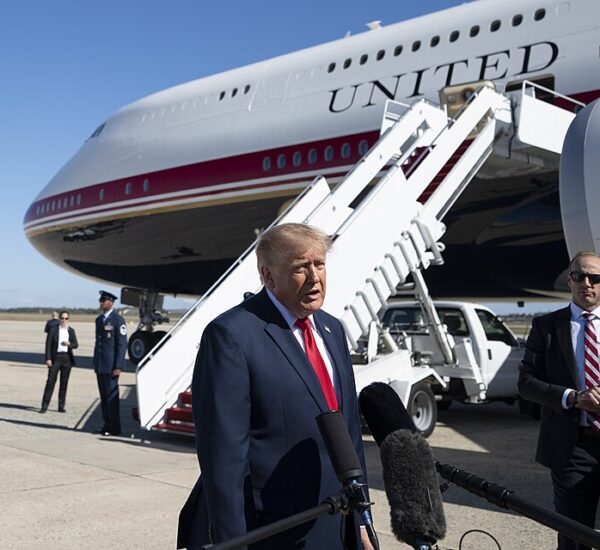
Speaking with reporters in Iowa on Sunday, Trump expressed optimism about negotiations with Canadian Prime Minister Mark Carney, suggesting that both governments have made meaningful progress toward resolving their differences.
The president said the two countries have developed the basic framework of an agreement that could deliver significant benefits to American businesses, farmers, and workers.
Trump indicated that the negotiations are moving in a positive direction, although the final terms have not yet been announced.
The development represents a possible breakthrough in a trade dispute that has strained relations between Washington and Ottawa.
American Farmers Could See Major Benefits
One of Trump’s primary objectives in the negotiations is securing better conditions for American agricultural producers.
The president has repeatedly criticized Canada’s trade restrictions and tariffs on certain American agricultural products, arguing that these policies have placed U.S. farmers at a competitive disadvantage.
During his remarks, Trump suggested that a future agreement could eliminate tariffs affecting American farmers, creating additional opportunities to sell their products across the northern border.
Such an arrangement could be particularly important for agricultural communities that depend on international markets to maintain profitability.
For years, farmers have faced challenges involving fluctuating commodity prices, rising operating expenses, and restrictions on foreign trade.
Trump has maintained that American producers deserve fair access to international markets without facing excessive barriers.
A successful agreement could potentially provide greater stability for agricultural businesses while strengthening economic ties between the two nations.
Trade Dispute Has Created Economic Uncertainty
Relations between the United States and Canada have experienced considerable turbulence as the Trump administration continues pursuing its broader trade agenda.
The president has argued that previous trade arrangements have not always provided sufficient benefits for American industries.
His administration has used tariffs and other economic measures in an effort to encourage trading partners to negotiate terms more favorable to the United States.
Canada has responded with trade restrictions of its own, creating additional complications for businesses operating across the border.
Industries including automobile manufacturing, steel production, and agriculture have been particularly sensitive to the ongoing disagreement.
Both countries rely heavily on cross-border commerce, making the outcome of these negotiations important for manufacturers, workers, and consumers.
Canadian officials have also expressed interest in resolving the dispute while protecting their country’s economic interests.
Canadian Prime Minister Signals Progress
Carney confirmed that he recently held constructive discussions with Trump regarding the future of trade between their countries.
The Canadian leader indicated that representatives from both governments would continue working toward an agreement in the coming weeks.
According to Carney, the negotiations are focused on improving economic opportunities, supporting employment, and addressing affordability concerns.
He also emphasized Canada’s desire to preserve its national sovereignty and cultural interests throughout the negotiating process.
While Trump has expressed confidence that an agreement is approaching, Canadian officials have offered a more cautious assessment.
Important details remain unresolved, and neither government has publicly released a finalized agreement.
Nevertheless, the improved tone between the two leaders suggests that diplomatic efforts may be gaining momentum.
Energy Production Could Become Part Of Agreement
Another potential component of the discussions involves energy cooperation between the United States and Canada.
Trump has raised the possibility of reviving the Keystone XL pipeline project, which was halted after former President Joe Biden revoked a crucial permit in 2021.
The proposed pipeline was intended to transport Canadian crude oil to the United States, where it could be processed by American refineries.
Supporters have long argued that expanding pipeline infrastructure could strengthen North American energy security while supporting construction and energy-sector employment.
However, significant questions remain about the project’s future, including financing, regulatory requirements, and whether the necessary infrastructure could be developed.
Trump has suggested that pipeline development could become part of a broader economic arrangement between the two countries.
No finalized commitment to revive Keystone XL has been publicly confirmed.
Trump Continues Pushing America First Trade Priorities
The negotiations come as Trump continues emphasizing domestic manufacturing, American jobs, and improved access to foreign markets.
His administration has presented trade negotiations as an opportunity to address economic arrangements it considers unfavorable to U.S. businesses.
A successful agreement with Canada could provide an important development for industries affected by tariffs and uncertainty.
It could also offer relief to companies that depend on cross-border supply chains, particularly in manufacturing and agriculture.
However, the economic impact would ultimately depend on the specific provisions included in any final agreement.
For now, negotiations remain ongoing, and both governments must still resolve outstanding differences before announcing a completed deal.
Trump’s latest comments suggest he believes meaningful progress has been made.
Whether that optimism translates into a formal agreement remains to be seen, but the possibility of reduced trade tensions could have significant implications for American farmers, manufacturers, and the broader economy.