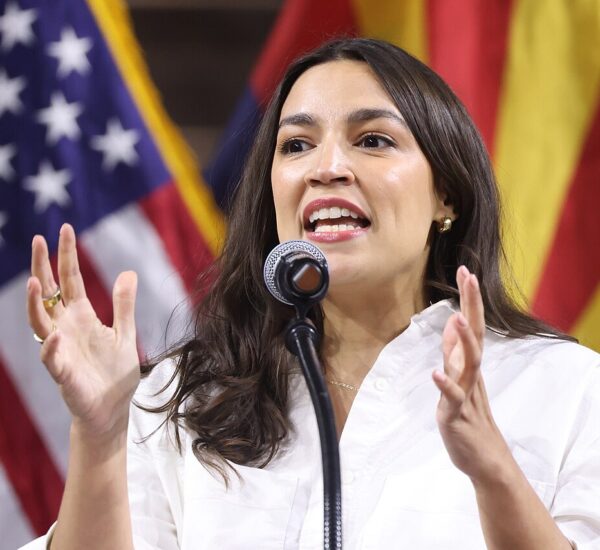
Here’s what Trump just said.
President Donald Trump is making a major financial commitment to American farmers, with his administration announcing more than $15 billion in agricultural assistance and initiatives designed to address soaring operating costs and growing economic uncertainty.
The announcement comes as farmers and ranchers across the United States struggle with higher prices for diesel fuel, fertilizer, equipment, and other essential supplies.
With the November midterm elections just days away, Trump is putting renewed attention on America’s agricultural communities, promising financial assistance to an industry that remains essential to the nation’s economy and food supply.
The latest commitments include direct financial assistance, federal loan guarantees, conservation payments, and investments intended to strengthen domestic agricultural production.
Trump Promises Billions To Help American Farmers
The Trump administration has outlined more than $15 billion in agricultural support, with a significant portion intended to provide relief from rising fuel expenses.
The largest individual initiative is an $8 billion program designed to help farmers cope with the increased cost of diesel fuel during the harvest season.
The program, known as Harvest Fuel Relief, will provide eligible agricultural producers with one-time payments calculated using factors such as planted acreage, production costs, and crop prices.
For farmers operating tractors, combines, trucks, and other heavy equipment, diesel expenses represent a substantial portion of annual operating costs.
Higher fuel prices can quickly reduce profits, especially for smaller farms already struggling with expensive supplies and unpredictable market conditions.
The U.S. Department of Agriculture plans to release additional information about payment rates in November.
Although the administration has committed billions to the program, the exact timing of payments has not been finalized.
Rising Costs Put Pressure On Family Farms
American farmers have faced difficult economic conditions throughout 2026, with rising production costs creating serious challenges for agricultural businesses.
Diesel prices have become a particular concern.
National diesel prices recently reached approximately $6.32 per gallon, significantly higher than a year earlier.
For farms that require large quantities of fuel throughout planting and harvesting seasons, those increases can mean thousands of dollars in additional operating expenses.
Fertilizer prices have also placed financial pressure on producers, while equipment costs and borrowing expenses continue to affect agricultural operations.
International trade disputes and the war involving Iran have added uncertainty to energy markets and agricultural supply chains.
These challenges are especially important for family-owned farms, where financial difficulties can threaten businesses that have operated for generations.
Farmers also depend on stable markets for crops such as corn, soybeans, wheat, and rice.
When production expenses rise faster than agricultural revenue, maintaining a profitable operation becomes increasingly difficult.
Where The $15 Billion In Agricultural Support Will Go
The administration’s agricultural commitments include several programs intended to assist farmers, ranchers, fishermen, and rural businesses.
The largest initiatives include:
- $8 billion in harvest fuel assistance: One-time payments to help eligible farmers manage elevated fuel and production expenses.
- At least $5 billion in guaranteed loans: Financing assistance intended to benefit ranchers and fishermen.
- $1.8 billion in conservation payments: Financial support for eligible agricultural producers and landowners participating in conservation programs.
- $573 million for fertilizer manufacturing: Investments aimed at expanding domestic production capacity.
- $57 million for meat processing: Assistance intended to expand meat processing operations.
- $86.6 million in specialty crop grants: Funding for agricultural innovation and specialty crop projects.
The Department of Agriculture has also announced plans to purchase up to $472.5 million in agricultural commodities.
Those purchases are intended to support domestic producers while providing food to charitable assistance programs.
Together, the initiatives represent a broad effort to address economic challenges throughout the agricultural industry.
However, the total includes different forms of assistance. Some funding involves direct payments, while other portions consist of loan guarantees, grants, and investments.
Not all of the money will be distributed directly to individual farmers.
Additional Federal Payments Could Benefit Crop Producers
Beyond the newly announced commitments, the Department of Agriculture has outlined approximately $13.8 billion in existing agricultural safety-net payments associated with the 2025 crop year.
These payments are intended to help eligible producers who grow major American crops, including corn, wheat, soybeans, and rice.
Federal agricultural safety-net programs help farmers manage financial losses associated with unfavorable market conditions.
For some producers, these payments may provide additional financial stability as they prepare for upcoming planting seasons.
The funding is separate from the newly announced $15 billion in agricultural initiatives and should not be confused with the $8 billion Harvest Fuel Relief program.
Eligibility requirements vary, and producers must meet the conditions established for each federal program.
Trump Administration Focuses On Domestic Agriculture
The agricultural assistance package also reflects an effort to strengthen America’s domestic food production capabilities.
The administration has committed hundreds of millions of dollars toward expanding fertilizer manufacturing and meat processing infrastructure.
Domestic fertilizer production is particularly important because American farmers depend on reliable supplies to maintain crop yields.
International disruptions can affect fertilizer prices and availability, increasing uncertainty for producers.
Expanding domestic production could help reduce some of those risks over time.
The administration’s investments in meat processing are also intended to increase capacity within the agricultural supply chain.
For rural communities, agricultural investments can support economic activity beyond individual farms.
Equipment dealerships, transportation companies, agricultural suppliers, and local businesses often depend heavily on the financial health of nearby farming operations.
When farms struggle, the economic consequences can spread throughout surrounding communities.
Will Trump’s Financial Assistance Be Enough?
While the latest announcement offers potential relief, agricultural experts caution that temporary government assistance cannot resolve every challenge facing American farmers.
Gregg Ibendahl, a farm management specialist at Kansas State University, has indicated that the planned fuel payments could be substantial enough to offset increased diesel expenses for some producers.
The assistance could also help farmers manage other operating costs, including fertilizer.
However, long-term financial stability depends on more than federal payments.
Farmers continue to face uncertainty involving international trade, commodity prices, borrowing costs, and future energy expenses.
Some agricultural organizations have welcomed the administration’s willingness to address immediate financial pressures while continuing to call for longer-term economic solutions.
The success of the assistance programs will depend partly on how quickly funding becomes available and whether eligible producers receive enough support to make a meaningful difference.
Agricultural Assistance Comes Ahead Of Midterm Elections
The announcement arrives just before the November 3 midterm elections, when voters will determine control of Congress.
Agricultural communities have traditionally been important sources of Republican support, making the financial health of rural America a significant political issue.
Trump has emphasized his administration’s agricultural policies while campaigning in states where farming plays a major economic role.
For rural voters, economic concerns extend beyond agriculture itself.
Fuel prices, inflation, health care expenses, and the cost of everyday necessities remain important considerations for many households.
The administration’s latest commitments could appeal to farmers seeking immediate financial assistance.
However, whether the announcement influences voters remains uncertain.
Some producers have expressed appreciation for additional government support while also questioning whether one-time payments will solve the underlying economic problems affecting their businesses.
What The $15 Billion Commitment Means For American Families
Although the assistance is primarily directed toward agricultural producers, the condition of America’s farming industry has consequences for consumers nationwide.
Farmers and ranchers provide the agricultural products that eventually reach grocery stores, restaurants, and American households.
When farming becomes more expensive, producers must make difficult decisions involving planting, equipment purchases, staffing, and future investments.
Supporting agricultural businesses can help preserve domestic production and strengthen rural economies.
However, federal farm assistance does not guarantee immediate reductions in grocery prices.
Consumer food costs are influenced by numerous factors, including transportation, processing, labor, energy, and overall market conditions.
Still, maintaining a stable domestic agricultural industry remains an important component of America’s long-term economic security.
What’s Next For American Farmers?
The Department of Agriculture is expected to release additional guidance for the Harvest Fuel Relief program in November.
Eligible producers will be able to obtain more information about payment rates, applications, and participation requirements as those details become available.
Farmers interested in the program can prepare by establishing a Login.gov account linked to USDA services.
For the administration, the announcement represents a major financial commitment to an industry facing substantial economic pressure.
For farmers and ranchers, the more immediate concern is whether the promised assistance will arrive in time to help manage mounting expenses.
With more than $15 billion in agricultural commitments now announced, the focus will shift from Washington’s promises to the practical impact on America’s farms, rural communities, and food supply.