GOP Outspends Democrats By A Lot
Republicans are pouring hundreds of millions of dollars more into political advertising than Democrats as the 2026 midterm elections approach, giving the GOP a major financial advantage in several of the nation’s most competitive congressional races.
With control of Congress hanging in the balance, Republican candidates and conservative-aligned organizations are making an aggressive financial push to defend their seats and prevent Democrats from gaining power in Washington.
The spending gap is particularly significant in closely contested Senate races, where Republicans have committed substantial resources to reaching voters before Election Day on November 3.
According to campaign advertising data analyzed by AdImpact, Republicans have maintained a sizable spending advantage throughout much of the election cycle.
Republicans Build Major Financial Advantage
A recent analysis found that Republican campaigns and allied organizations had spent approximately $400 million more on political advertising than their Democratic counterparts earlier in October.
That advantage has helped Republicans maintain a strong advertising presence across several battleground states.
In competitive Senate contests, GOP-aligned groups have invested heavily in television commercials, digital advertising, and other efforts designed to reach undecided voters.
States including Ohio, Texas, Maine, Michigan, and Iowa have attracted significant attention as both parties compete for seats that could determine which party controls the Senate.
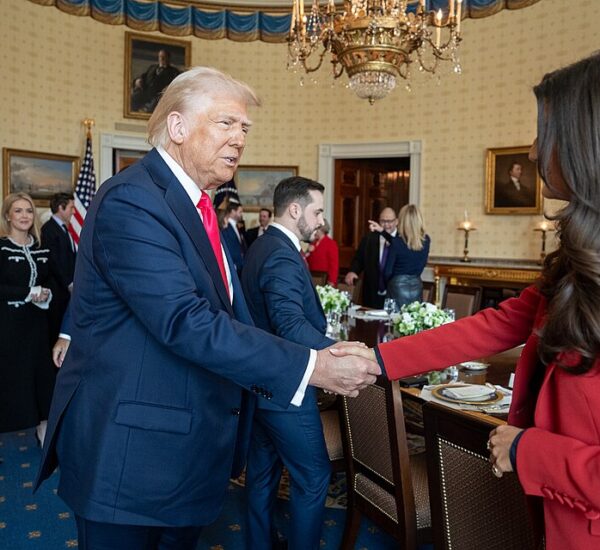
Republicans have also benefited from substantial financial support from outside political organizations, including groups aligned with President Donald Trump.
These organizations have helped finance advertising campaigns focused on economic concerns, immigration enforcement, public safety, and other issues Republicans believe will influence voters.
Democrats Face Difficult Spending Decisions
The Republican financial advantage is creating challenges for Democrats, particularly as the party attempts to compete in traditionally Republican states while protecting its position in more competitive races.
Democratic strategists have acknowledged that the spending imbalance could force them to make difficult decisions about where to concentrate their resources.
Rather than investing equally across every potential battleground, Democratic organizations must determine which races offer their strongest opportunities for victory.
The financial pressure comes as Democrats attempt to capitalize on voter concerns about household expenses, inflation, and the direction of the economy.
Republicans, meanwhile, are emphasizing their positions on border security, crime prevention, taxes, and economic growth.
Both parties recognize that persuading voters in closely divided states will be essential to determining the next Congress.
Trump-Aligned Groups Play Important Role
President Trump’s political operation has emerged as a significant financial force in the Republican effort to maintain congressional control.
Trump-aligned political organizations have directed substantial funding toward Republican candidates, particularly in states where Senate races have become increasingly competitive.
These investments are intended to strengthen Republican messaging during the final stretch of the campaign.
However, political analysts caution that spending more money does not automatically guarantee victory.
Republican organizations frequently rely on outside groups to purchase advertising, and those organizations can face higher television advertising rates than individual candidates.
As a result, Democrats may sometimes secure comparable advertising exposure while spending less money.
Still, the GOP’s financial resources provide an opportunity to maintain a visible presence across multiple competitive states simultaneously.
Election Spending Reaches Historic Levels
The Republican spending advantage comes during an exceptionally expensive election cycle.
According to AdImpact, political advertising spending and reservations for the 2026 elections have exceeded $11 billion, surpassing the amount spent during the 2024 presidential election cycle.
The enormous investment reflects the high stakes surrounding congressional control.
Republicans are fighting to preserve their majorities and support Trump’s legislative priorities, while Democrats are seeking enough victories to regain influence in Washington.
For voters, the final days before the election are expected to bring an intense wave of campaign advertisements, particularly in states with closely contested Senate and House races.
Despite the enormous sums involved, the outcome will ultimately depend on which candidates can persuade Americans that their policies offer the strongest path forward.
A High-Stakes Finish For Republicans
With Election Day approaching, Republicans are hoping their spending advantage will translate into additional voter support and stronger turnout.
The party’s financial position allows GOP candidates to continue promoting their messages while responding to Democratic attacks in key races.
Democrats, however, remain competitive in several important contests and are relying on fundraising, candidate organization, and voter dissatisfaction to overcome the Republican advertising advantage.
The spending battle highlights just how important the 2026 midterm elections have become for both parties.
Whether the GOP’s substantial financial investment produces victories remains uncertain, but one thing is clear: Republicans are committing significant resources to keeping Congress under their control.
With voters preparing to cast their ballots, the coming days will determine whether that financial advantage makes the difference in some of the nation’s closest elections.