Top US General Calls For Ground Troops
Retired Lt. Gen. Keith Kellogg says the United States should consider a tougher strategy in the ongoing Iran war, including limited ground operations and a new negotiating team to represent the Trump administration.
Speaking Monday on Fox News’ America Reports, Kellogg argued that the conflict has entered a new phase and requires a different approach than the one currently being used.
His comments come as fighting continues across the Middle East, oil prices remain volatile, and many Americans grow increasingly concerned about the long-term cost of the conflict.
Kellogg Wants New Negotiators for Iran Talks
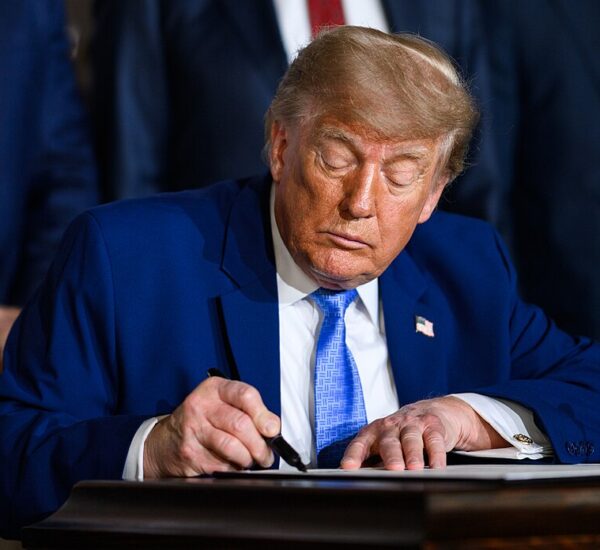
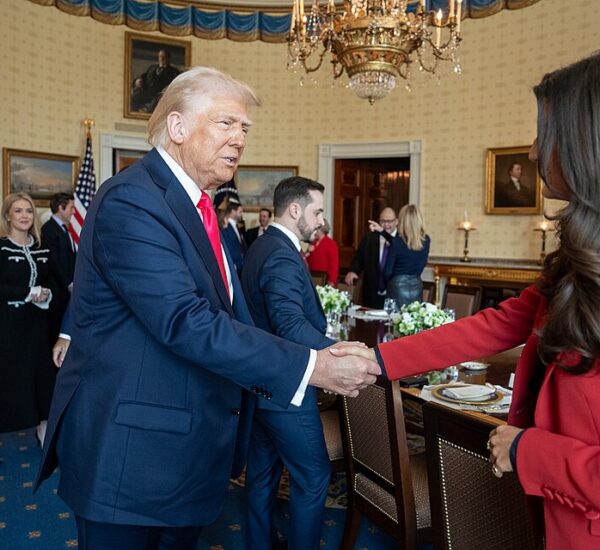
Kellogg said the administration should replace its current negotiating team with experienced national security officials who understand wartime diplomacy.
According to Kellogg, negotiations during an active military conflict require seasoned professionals capable of dealing with hostile governments under extreme pressure. He argued that future talks should be handled by individuals with deep foreign policy and military experience rather than business-oriented negotiators.
His recommendation reflects a broader belief among some national security experts that military conflicts require specialized diplomatic strategies.
Retired General Says Airstrikes Alone May Not Achieve U.S. Goals
Kellogg also questioned whether air power by itself can deliver a lasting victory.
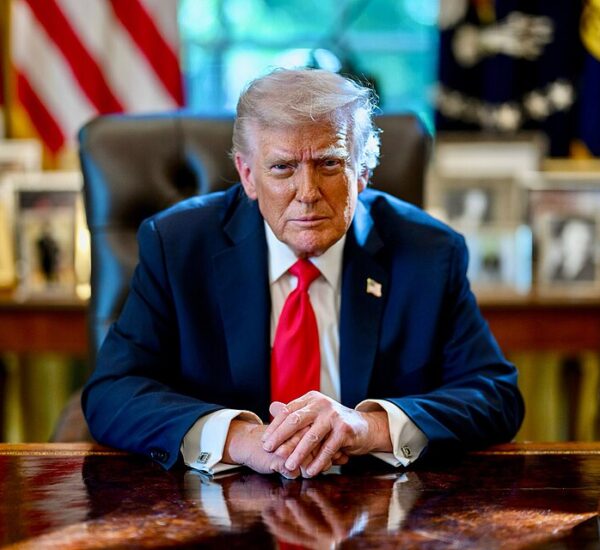
He said limited ground operations could become necessary to secure key strategic objectives and strengthen President Donald Trump’s leverage over Iran.
Kellogg emphasized that he is not advocating for a full-scale invasion or an advance toward Tehran. Instead, he suggested capturing a limited number of strategically important locations that could disrupt Iran’s economic infrastructure while avoiding a prolonged occupation.
The retired general argued that controlling critical assets could increase pressure on Iran’s leadership while providing additional negotiating leverage.
Iran War Nears Five-Month Mark
The conflict is now approaching its fifth month, creating growing concerns both overseas and at home.
The fighting has strained relationships between the United States and several longtime allies while increasing uncertainty in global energy markets. Higher oil prices have also contributed to rising gasoline costs, placing additional financial pressure on American families and businesses.
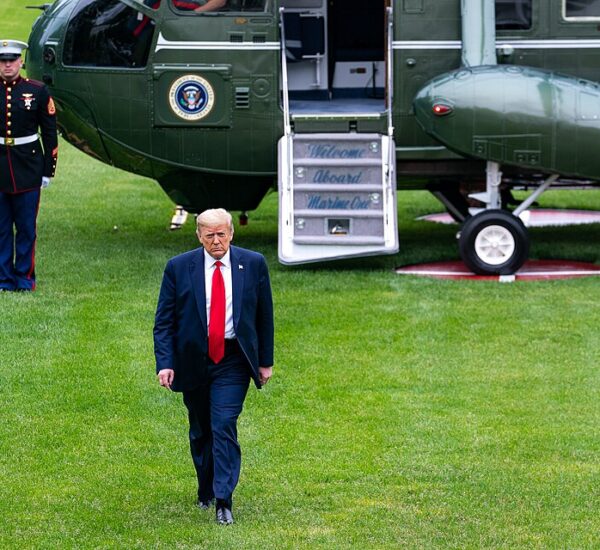
Military operations intensified again over the past week as U.S. forces completed nine consecutive days of strikes against Iranian targets before concluding the latest round of attacks on Sunday.
Iran Reports Tanker Explosions Near Strait of Hormuz
On Monday, Iran’s Islamic Revolutionary Guard Corps (IRGC) announced that two oil tankers exploded near the strategically important Strait of Hormuz.
According to Iran’s state-run Fars News Agency, officials claimed the vessels were traveling through what they described as an unsafe navigation route when the explosions occurred.
The Strait of Hormuz remains one of the world’s most important shipping lanes for crude oil, making any disruption there a closely watched development for global energy markets.
Iran’s account of the incident has not been independently verified.
Pentagon Identifies Two U.S. Soldiers Killed
The Pentagon also released the identities of two American service members killed during an Iranian attack in Jordan last week.
The fallen troops were identified as 1st Lt. Tyler Feehan and Pvt. Isabella Gonzales. Defense officials said Gonzales was killed on Friday, while Feehan died from his injuries on Saturday.
Their deaths underscore the growing risks facing American forces stationed throughout the Middle East as regional tensions continue to escalate.
What’s Next?
With military operations continuing, policymakers now face difficult decisions about the next phase of the conflict.
Whether the United States relies primarily on air power, increases diplomatic efforts, or considers additional military options, the Iran war is likely to remain one of the Trump administration’s most significant foreign policy challenges in the months ahead.