Top Official Comes To Trump’s Defense Over Controversial Issue
President Donald Trump is receiving strong support from a top administration official following a controversial decision involving Russia, energy supplies, and the ongoing war in Ukraine.
Energy Secretary Chris Wright defended the president’s decision to ease certain restrictions on Russian diesel exports, arguing that the move could help bring down energy prices while encouraging Russian President Vladimir Putin to move toward ending the conflict.
The decision has sparked criticism from Democrats and some Republicans, who question whether allowing additional Russian fuel into international markets could strengthen Moscow financially.
However, Wright insists that the administration’s approach is designed to accomplish two important objectives: encourage peace in Ukraine and provide relief to American consumers facing elevated energy costs.
Speaking during an appearance on ABC’s “This Week” on Sunday, Wright explained that Trump’s strategy is not about rewarding Russia but creating an economic incentive for the country to reduce its military operations.
“This is a carrot to try to end a war. It’s not an economic lifeline for Russia,” Wright said.
The controversy centers on the administration’s decision to ease restrictions on Russian diesel exports while maintaining other economic measures against Moscow.
According to Wright, Russia currently faces significant obstacles to exporting diesel because of the ongoing war and damage to its energy infrastructure.
He argued that Russian officials would need to reduce military activity, reach an energy ceasefire, or make progress toward a broader peace agreement before the country could fully benefit from expanded diesel exports.
Under that approach, the possibility of additional energy revenue would serve as an incentive for Moscow to reconsider its military strategy.
Wright also emphasized that the administration has not eliminated existing restrictions on Russian crude oil exports.
Instead, he described the diesel decision as a targeted measure intended to address shortages in global fuel markets without abandoning broader economic pressure on Russia.
The distinction is important because oil and diesel play different roles in the international energy market.
While Russia continues to supply crude oil through certain channels, its ability to export refined diesel has been severely disrupted.
Trump Administration Focuses On Energy Prices
The controversy comes at a time when American families, farmers, truck drivers, and businesses continue to face pressure from high fuel costs.
Diesel is especially important to the United States economy because it powers commercial trucks, agricultural equipment, construction machinery, and numerous industries responsible for transporting goods.
When diesel prices rise, businesses often face higher operating expenses. Those additional costs can eventually reach consumers through increased prices for groceries, household necessities, and other products.
For Americans living on fixed incomes, including many retirees, the broader effects of expensive transportation and energy can create additional financial challenges.
Wright believes that increasing available diesel supplies could help ease those pressures.
The administration’s argument is that additional fuel entering global markets could reduce supply shortages and potentially lower costs, even if the diesel is not purchased directly by American consumers.
However, the size and timing of any price reductions remain uncertain.
Energy markets are influenced by numerous factors, including international conflicts, refinery capacity, shipping disruptions, and worldwide demand.
Critics Question Trump’s Russia Strategy
Despite the administration’s explanation, the decision has generated considerable opposition.
Ukrainian President Volodymyr Zelenskyy and other critics have expressed concerns that relaxing economic restrictions could provide Russia with additional financial resources while the war continues.
Some lawmakers have also questioned the decision to delay enforcement of new sanctions legislation intended to increase pressure on Moscow.
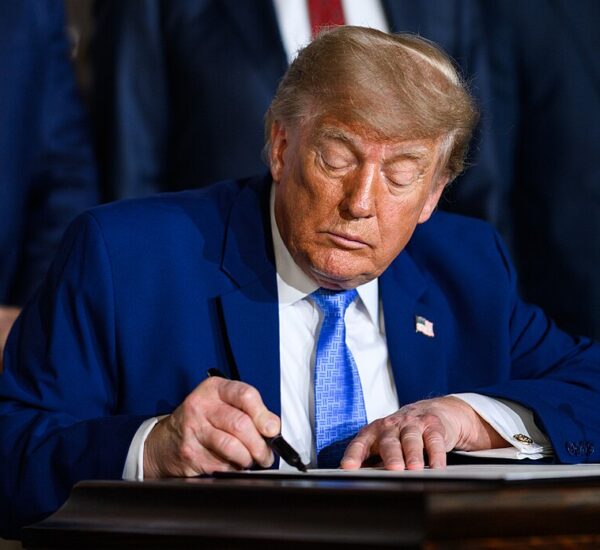
Trump signed an executive order on October 17 temporarily waiving certain sanctions and tariffs that were scheduled to take effect.
The administration has maintained that the president needs flexibility to pursue diplomatic negotiations while protecting American economic interests.
Secretary of State Marco Rubio has indicated that the administration will use a review period of up to 60 days to evaluate the potential consequences of the sanctions policy.
Wright, meanwhile, pushed back against suggestions that Trump was abandoning efforts to pressure Putin.
He argued that existing sanctions remain substantial and that the president is pursuing another possible path toward ending a war that has continued for more than four years.
Wright Defends President’s Approach To Peace
During the television interview, Wright faced questions about whether offering Russia the possibility of increased diesel exports would undermine previous efforts to isolate Moscow economically.
He responded by explaining that the administration views the policy as a negotiating tool rather than an unconditional concession.
According to Wright, Russia would have to take meaningful steps toward reducing hostilities before it could realize the anticipated economic benefits.
The energy secretary also defended Trump’s broader commitment to ending the fighting in Ukraine.
He suggested that continuing the same diplomatic and economic strategy indefinitely was unlikely to produce a different outcome.
The administration believes that combining economic pressure with selective incentives could create new opportunities for negotiations.
Nevertheless, critics remain unconvinced that Moscow will respond as the White House hopes.
Whether Russia ultimately reduces its military operations or agrees to meaningful peace negotiations will be a major test of the strategy.
A Major Issue Ahead Of The Midterm Elections
The dispute also comes as Republicans and Democrats prepare for the November 2026 midterm elections.
Energy prices, inflation, international security, and the administration’s handling of the economy remain important issues for voters.
For Republicans, demonstrating progress on lowering everyday expenses could become an important part of their economic message.
Democrats, meanwhile, are expected to continue challenging the administration’s decisions involving Russia and questioning whether Trump’s policies are delivering meaningful results.
The president’s supporters argue that his willingness to pursue unconventional negotiations reflects an effort to find practical solutions to complicated international problems.
Critics contend that loosening restrictions on Russia could weaken American leverage and make it more difficult to secure a lasting peace.
Ultimately, the success of the policy will depend on whether it produces measurable improvements in global energy supplies, American fuel prices, or diplomatic negotiations.
For now, Wright is standing firmly behind the president, maintaining that the controversial decision is intended to advance American economic interests while creating another opportunity to bring the Russia-Ukraine war closer to an end.
With energy costs continuing to affect households and businesses nationwide, the administration’s next steps are likely to draw close attention from both Washington and American voters.