Trump Waives Multiple Sanctions
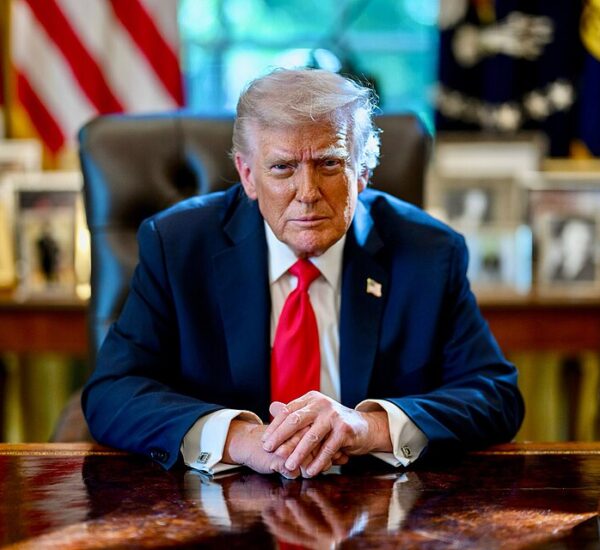
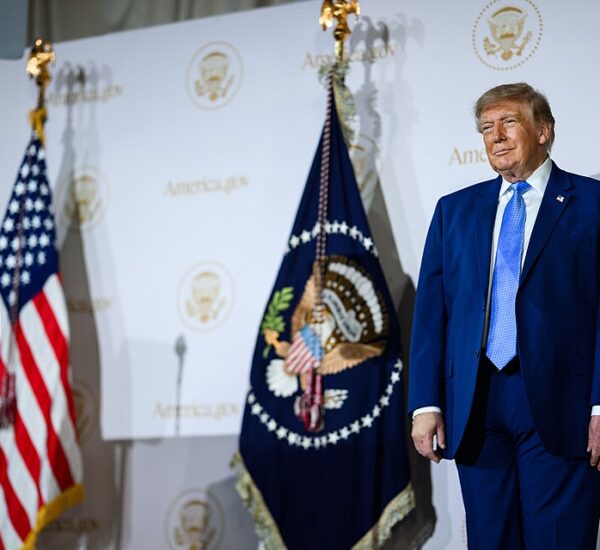
President Donald Trump has signed a sweeping executive order waiving several sanctions and tariffs targeting Russia and countries doing business with Moscow, marking a significant development in his administration’s approach to foreign policy, international trade, and energy security.
The decision, announced Friday, October 16, comes just weeks after Trump signed legislation designed to increase economic pressure on Russia over its ongoing war with Ukraine.
The president’s latest action temporarily prevents numerous new penalties from taking effect, with the White House maintaining that the decision serves the national interests of the United States.
The move could have important implications for American energy markets, international trade relationships, and Washington’s continuing efforts to address the conflict between Russia and Ukraine.
Trump Uses Presidential Authority to Waive Sanctions
The executive order addresses provisions of the Lindsey O. Graham Sanctioning Russia and Iran Act of 2026, which Trump signed into law on September 18.
The legislation established an extensive framework for imposing financial penalties, trade restrictions, and tariffs on Russia and certain countries maintaining economic relationships with Moscow.
Among its most significant provisions were potential tariffs of up to 100% on goods imported from major purchasers of Russian oil and natural gas.
The law also authorized substantial penalties against countries helping Russia circumvent existing economic sanctions.
However, the legislation included a provision allowing the president to waive certain requirements when doing so would advance American national interests.
Trump exercised that authority in Friday’s executive order, notifying Congress that the waivers were justified.
The White House also confirmed that the administration submitted the required certification and supporting report to lawmakers.
Major Tariffs Put on Hold
The original legislation was designed to discourage foreign governments from purchasing Russian energy products and to limit the financial resources available to Moscow.
Under the executive order, a 500% tariff increase on certain Russian goods and 100% tariff increases affecting designated countries would be waived rather than immediately enforced.
The penalties could have affected major economies that continue importing Russian oil and natural gas.
India, one of the world’s largest purchasers of Russian energy products, has previously expressed concerns about the potential consequences of the sanctions legislation.
Such measures could create additional tensions between Washington and important international trading partners.
For the United States, decisions involving energy imports, international tariffs, and foreign trade can also raise questions about costs for American companies and consumers.
Although the administration has not publicly detailed every economic consideration behind the waivers, the decision comes during a period of heightened attention to global energy supplies and fuel prices.
White House Keeps Future Sanctions on the Table
Despite the broad waivers, Trump’s executive order does not eliminate all existing American sanctions against Russia.
The president specifically preserved restrictions established under earlier executive orders addressing harmful activities by the Russian government.
Additionally, the administration will continue monitoring countries purchasing Russian oil and natural gas or assisting efforts to evade sanctions.
The U.S. Trade Representative, working with the departments of State, Treasury, and Energy, is responsible for reviewing developments and recommending potential action.
This arrangement allows the administration to reconsider the waivers if circumstances change.
The exemptions will remain effective until the president or designated administration officials determine that additional action is necessary.
That flexibility means Washington could still pursue economic penalties against Russia or its trading partners in the future.
Decision Comes Amid Ongoing Ukraine Conflict
The president’s announcement arrives as Russia’s war with Ukraine continues to create major foreign policy challenges for the United States and its allies.
Economic sanctions have remained a central part of Washington’s efforts to pressure Moscow since Russia launched its full-scale invasion of Ukraine in February 2022.
Supporters of tougher restrictions argue that limiting Russia’s energy revenue is necessary to weaken its ability to finance military operations.
Others have raised concerns about the broader economic consequences of aggressive sanctions, particularly their potential effects on global energy markets and relationships with major trading partners.
Trump’s decision is likely to intensify debate over how the United States should balance economic pressure on Russia with domestic energy concerns and diplomatic priorities.
The administration has also faced criticism over a separate agreement involving Russian diesel exports, which was intended to increase fuel supplies in international markets.
Critics of that arrangement argue that additional Russian energy sales could provide Moscow with revenue while the war continues.
The White House, meanwhile, has emphasized national-interest considerations in its latest sanctions decision.
What This Means for American Consumers
For many Americans, particularly retirees and households living on fixed incomes, energy prices remain an important economic concern.
Changes in international oil supplies can affect gasoline and diesel markets, transportation expenses, and the costs businesses face when delivering products.
However, waiving sanctions does not automatically guarantee lower gasoline prices or immediate savings for consumers.
Domestic fuel costs depend on numerous factors, including global crude oil prices, refinery operations, transportation expenses, and overall market demand.
The administration’s decision could influence international energy trading conditions, but its eventual impact on American households remains uncertain.
Trade restrictions also carry potential consequences for manufacturers, agricultural producers, and businesses that depend on international supply chains.
Those economic considerations will likely remain part of the broader discussion surrounding Trump’s approach to sanctions and foreign policy.
Trump Maintains Flexibility in Russia Policy
Friday’s executive order demonstrates the considerable discretion available to the president under the recently enacted sanctions legislation.
While Congress approved measures intended to place additional economic pressure on Russia, lawmakers also provided the White House with authority to grant national-interest waivers.
Trump’s decision uses that provision while leaving the door open for future enforcement.
The administration’s next steps will depend partly on developments in the Ukraine conflict, international energy markets, and Russia’s relationships with other major economies.
For now, several significant sanctions and tariffs that were scheduled to take effect have been suspended.
The larger question is whether Trump’s decision will create additional diplomatic flexibility and economic stability or reduce pressure on Moscow as the war in Ukraine continues.
As Washington evaluates its next moves, the administration will face continued scrutiny over how it balances American economic interests, national security priorities, and its relationships with foreign governments.