Trump Heads To Nebraska
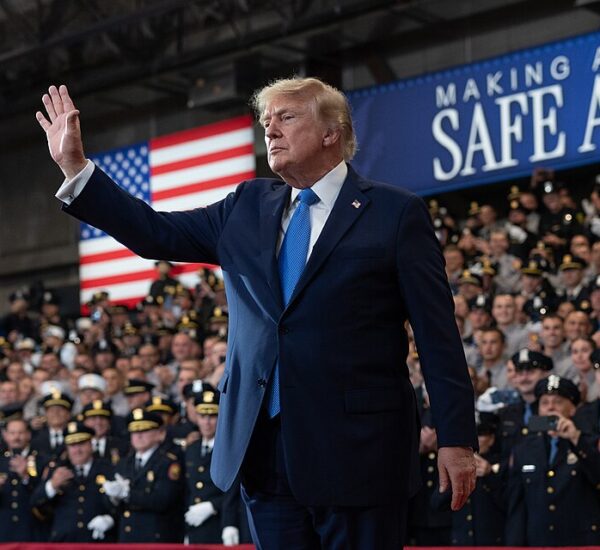
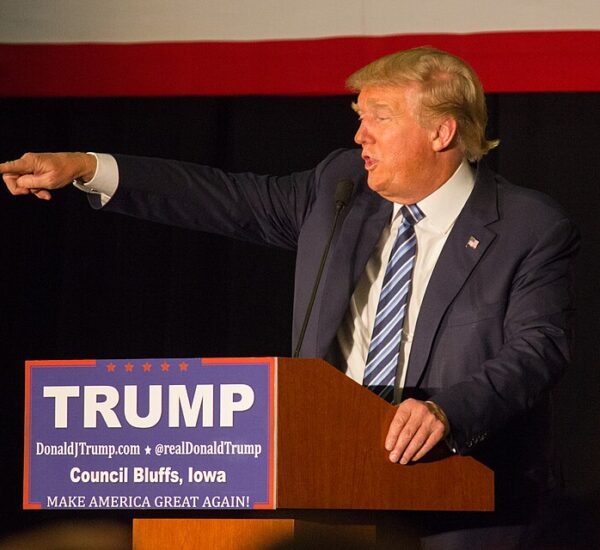
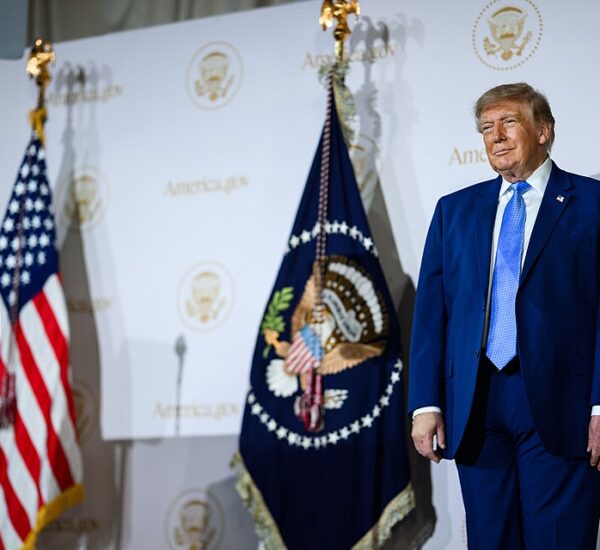
President Donald Trump traveled to Nebraska on Monday as Republicans entered the final stretch before the Nov. 3 midterm elections, using a rally in Grand Island to highlight his economic agenda and encourage GOP voters to turn out in force.
Trump focused much of his message on investment, manufacturing, job creation and his administration’s economic record. The visit comes as many Americans, including farmers and truckers across Nebraska, continue to feel pressure from higher fuel prices and broader concerns about inflation.
With fewer than 30 days remaining before Election Day, Trump urged supporters to approach the midterms as though his own name were still on the ballot.
“With your support, just 29 days from now, Nebraska is going to defeat the radical-left Dumb-o-crats once again,” Trump told the crowd shortly after beginning his remarks.
The Nebraska appearance is part of an aggressive campaign schedule for the president as Republicans work to maintain control of Congress. Trump has increasingly visited states that traditionally favor Republicans, arguing that strong turnout in dependable GOP territory could prove crucial in close Senate and House contests.
Economy Takes Center Stage
Republicans are emphasizing increased business investment, domestic manufacturing and economic expansion under the Trump administration. At the same time, voters are dealing with higher prices, including rising diesel and gasoline costs.
Those economic pressures have become an important issue in the final weeks of the campaign, particularly in agricultural states such as Nebraska, where transportation and fuel expenses can have an outsized impact on farmers, ranchers and trucking companies.
The administration has also faced political scrutiny over the economic consequences of the U.S.-Israeli conflict with Iran. Supporters of the president argue that preventing Iran from advancing its nuclear program is a national security priority, even if the conflict creates short-term economic challenges.
Still, Republicans are heading into Election Day amid signs of a difficult national political environment.
A Reuters/Ipsos poll completed Monday placed Trump’s job approval rating at 32%. In the same survey, registered voters favored Democrats over Republicans by 44% to 37% when asked which party they intended to support in the midterm elections.
Among independent voters, Democrats held a 37% to 21% advantage, while 28% remained undecided.
The survey also showed challenges for Trump among Hispanic voters, who played an important role in his 2024 election victory. According to the poll, 24% of Hispanic Americans approved of his job performance. Among Hispanic registered voters, 52% said they planned to support Democrats in November, compared with 26% who said they intended to vote Republican.
As with all political polling, individual surveys represent a snapshot of voter sentiment and can change as Election Day approaches.
Nebraska Senate Race Draws Attention
Trump won Nebraska by more than 20 percentage points in the 2024 presidential election, but the state has nevertheless attracted attention during this year’s Senate campaign.
Republican Sen. Pete Ricketts is facing independent candidate Dan Osborn, and several public polls have indicated that the contest could be closer than Nebraska’s recent presidential results might suggest.
Trump’s decision to campaign personally in the state demonstrates the importance Republicans are placing on voter turnout during the closing weeks of the midterm campaign.
Large Crowd Welcomes Trump
Supporters filled the Heartland Events Center in Grand Island ahead of the president’s speech. Many attendees wore Trump’s familiar red campaign clothing, while others arrived dressed in the University of Nebraska’s traditional red.
Organizers reportedly added hundreds of chairs toward the rear of the arena as available seating filled.
For some supporters, Trump’s appearance was particularly noteworthy because presidential campaign visits to Nebraska have been relatively uncommon.
Trump has made only a handful of appearances in the state since launching his first presidential campaign in 2015 and had not visited Nebraska since 2022.
Nancy Rhodes, a 54-year-old stay-at-home mother who traveled about an hour to attend the rally, said she believed the opportunity to see Trump personally might not come again soon.
She acknowledged concerns about higher prices related to the conflict with Iran but said she believed stopping Iran from developing nuclear weapons was worth the economic consequences.
Her comments illustrate one of the choices Republicans are asking voters to consider: whether national security and longer-term economic goals outweigh the immediate strain caused by higher prices.
Trump Plans Heavy Campaign Schedule
The Nebraska rally follows campaign appearances by Trump last week in Texas, Oklahoma, Alabama and Ohio.
The president told reporters Monday that he expects to campaign almost every day between now and the Nov. 3 midterms, with Iowa and Michigan among the states expected to receive upcoming visits.
Trump is hoping his presence on the campaign trail will motivate Republican voters who strongly supported him in the 2024 presidential election but might otherwise be less likely to participate in a midterm contest.
With control of Congress potentially at stake, both parties are investing heavily in voter turnout operations during the final weeks.
Daylight Saving Time Debate Also Returns
Trump also spent part of the weekend promoting an effort to eliminate the twice-yearly clock change and establish permanent daylight saving time.
The president argued that additional evening sunlight would benefit farmers and other Americans who spend significant time working outdoors.
The issue led to a public disagreement with Republican Sen. Tom Cotton, with Trump going so far as to share Cotton’s cellphone number while criticizing the senator’s position.
The dispute added another issue to an already crowded political agenda as Trump balances governing with an increasingly intense campaign schedule.
With Election Day approaching, Nebraska offers Republicans both an opportunity and a warning. The state remains firmly Republican in presidential politics, but competitive down-ballot races and voter concerns over inflation show why the GOP is taking few states for granted.
Trump’s message in Grand Island was clear: Republicans will need the same enthusiasm that carried him to victory in 2024 if they hope to protect their congressional majorities in November.