Trump Ally Winning Overseas
Brazil’s fiercely contested presidential election is headed for a second-round showdown after conservative Sen. Flávio Bolsonaro finished ahead of President Luiz Inácio Lula da Silva in Sunday’s first-round vote.
With more than 100 million ballots counted and the tally nearing completion, Bolsonaro held approximately 48% of valid votes, while Lula received about 44%. Because neither candidate surpassed the 50% threshold required to win outright, Brazilian voters will return to the polls for a runoff election on October 25.
The result sets up a high-stakes contest that could dramatically reshape the political direction of Latin America’s largest country and economy.
Bolsonaro, 45, is the son of former Brazilian President Jair Bolsonaro and has positioned himself as the political heir to the conservative movement built during his father’s rise to power.
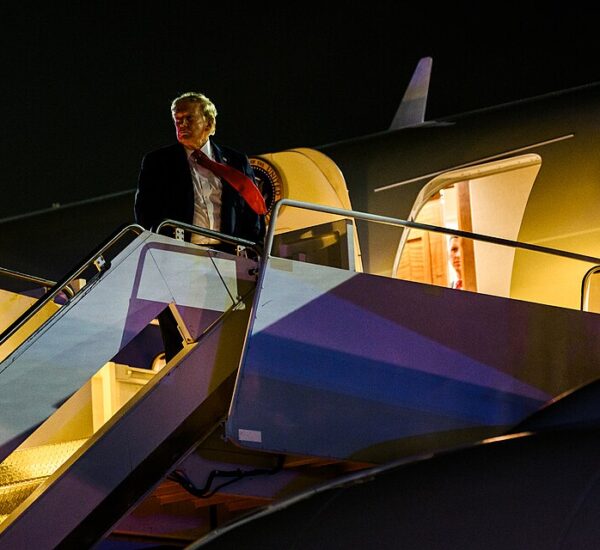
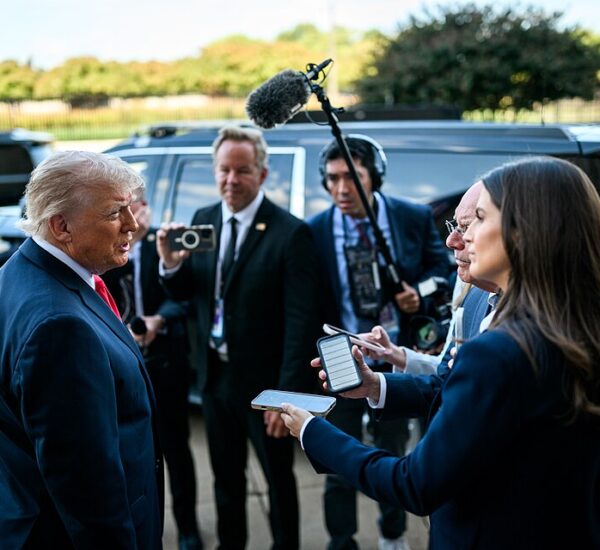
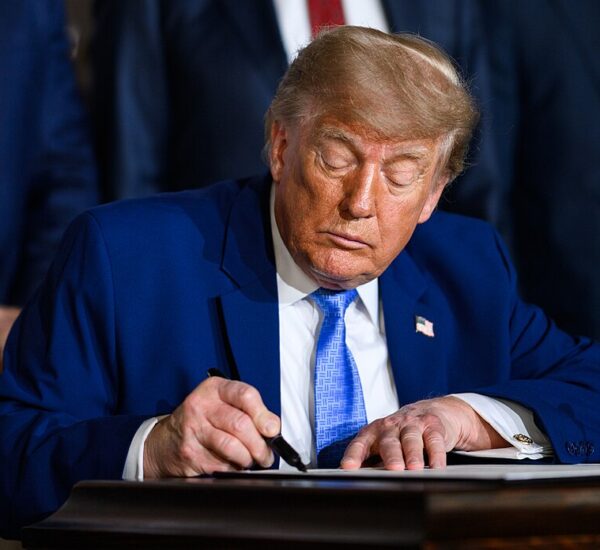
Throughout the campaign, Flávio Bolsonaro has focused heavily on violent crime, public safety, government spending, fiscal discipline and Brazil’s relationship with the United States. He has also promoted closer cooperation with President Donald Trump and argued that stronger ties with Washington could benefit Brazil economically and diplomatically.
His father remains one of the most influential figures on Brazil’s political right despite being unable to run for office.
Jair Bolsonaro was convicted by Brazil’s Supreme Court in connection with an alleged coup plot and sentenced to 27 years and three months in prison. His political rights have also been suspended, leaving his son to carry the family name into the presidential contest.
Crime, Inflation and Government Spending Take Center Stage
Brazil’s election has been shaped by many of the same concerns affecting voters throughout the Western Hemisphere.
Crime and public security have remained major campaign themes, alongside corruption, inflation, rising food costs and government spending.
Flávio Bolsonaro has promised a tougher approach to law enforcement and public safety while calling for tighter control over government finances.
Lula, meanwhile, has defended his administration’s expansion of social programs and environmental policies. He has also emphasized Brazilian independence in foreign affairs, frequently arguing that the country should resist economic or political pressure from outside governments.
Disputes involving Brazil’s Supreme Court, corruption allegations and accusations of foreign interference have further intensified an already bitter campaign.
Trump Relationship Becomes Major Campaign Issue
Brazil’s relationship with the United States has also emerged as a major dividing line between the candidates.
Brazilian and American officials have been negotiating over U.S. tariffs affecting Brazilian exports, creating additional tension between Lula’s government and Washington.
Lula has portrayed some of Washington’s economic measures as challenges to Brazilian sovereignty and has pushed back publicly against outside pressure.
Bolsonaro has taken a very different approach.
He has highlighted his political alignment with Trump and argued that a friendlier relationship with the White House could help Brazil negotiate trade disputes and strengthen cooperation between the two countries.
That contrast could become even more important as the runoff campaign enters its final weeks.
Latin America Has Been Moving Right
Brazil’s election is also being closely watched because several Latin American nations have recently elected conservative, center-right or libertarian governments.
Argentina made one of the region’s most dramatic political shifts with the 2023 election of Javier Milei, who campaigned on reducing government spending, shrinking the state and implementing free-market economic reforms.
Chile moved to the right in December 2025 when conservative José Antonio Kast won the presidency with roughly 58% of the runoff vote following a campaign focused heavily on crime and immigration.
Ecuador reelected center-right President Daniel Noboa in 2025 after he made combating drug trafficking organizations and violent crime central themes of his administration.
Other countries across the region, including Bolivia, Panama and Peru, have also experienced political shifts favoring parties or candidates on the right.
Colombia added to that trend in June when conservative nationalist Abelardo De La Espriella won the presidency, replacing the country’s first left-wing national government.
Brazil Could Determine the Region’s Political Direction
Because of Brazil’s enormous population, economic influence and international importance, the October 25 runoff could become the most consequential political contest in Latin America this year.
A Lula victory would preserve one of the region’s most prominent left-leaning governments and give the president another mandate to continue his social, environmental and economic agenda.
A Bolsonaro victory would represent a major political comeback for Brazil’s conservative movement and could strengthen the growing collection of right-leaning governments across Latin America.
For voters, however, the decision is likely to come down to domestic concerns.
Public safety, inflation, food prices, government spending, corruption and Brazil’s economic future are expected to dominate the final stretch of the campaign.
With neither candidate able to secure a majority in the first round, both Bolsonaro and Lula now have only weeks to persuade voters who backed other candidates — or stayed undecided — that they offer the stronger path forward.
On October 25, Brazil will make that choice.