GOP Able To Defy The Odds
Republicans are facing fresh warning signs in national polling as the 2026 midterm elections move closer, but one polling analyst says several closely watched Senate races remain far from settled.
Patrick Allocco, founder of the Zoose Political Index, said Monday that recent surveys appear to be detecting a genuine change in the political environment.
Speaking on Newsmax’s “Finnerty,” Allocco said the broader polling picture has become more difficult for Republicans, even as he questioned whether some Democratic leads in individual Senate races will hold through Election Day.
The latest numbers are drawing increased attention because control of Congress could depend on a relatively small number of competitive House and Senate contests.
Democrats Hold an Edge on the Generic Congressional Ballot
One of the clearest warning signs for Republicans comes from the generic congressional ballot.
That measurement asks voters whether they would generally support a Republican or Democratic candidate for Congress without identifying specific candidates.
A Rasmussen Reports poll released September 28 showed Democrats leading Republicans 48% to 43%.
Other recent national surveys have also shown Democrats ahead, although the margins vary depending on the polling organization, methodology and voters surveyed.
Allocco said his own political index has detected a similar shift.
According to Allocco, the index recently fell to its lowest level since tracking began in January. He attributed much of the decline to oil prices and their broader political impact.
That assessment represents Allocco’s interpretation of the current environment rather than a conclusion shared by every polling organization.
Texas Senate Race Remains Close
Despite the national trend, Allocco said voters should be cautious about drawing conclusions from individual Senate surveys.
Texas is one example.
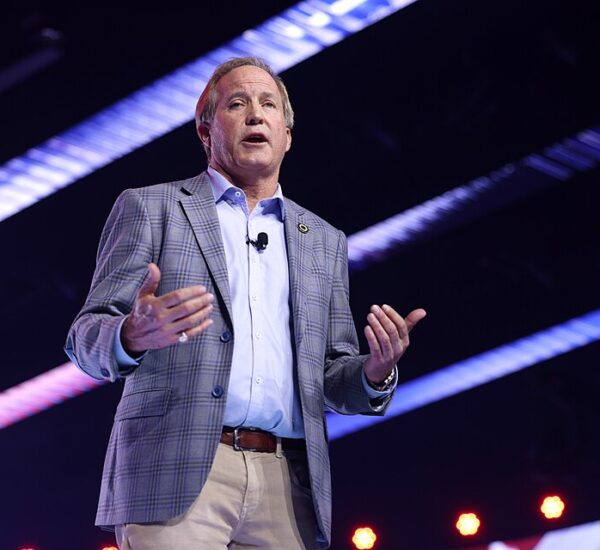
A Big Data Poll released September 27 showed Democrat James Talarico narrowly leading Republican Ken Paxton.
The survey placed Talarico at approximately 47% and Paxton at 45%, putting the candidates within a close range.
Allocco argued that the turnout picture could be more favorable to Paxton among voters who say they are highly certain to participate in the election.
That distinction matters because voter turnout can significantly affect a close race.
Pollsters attempt to identify likely voters, but no survey can know with certainty which registered voters will ultimately cast ballots.
Campaign enthusiasm, fundraising, advertising and Election Day organization can all influence turnout.
New Hampshire Poll Shows Democratic Lead
New Hampshire is another Senate race receiving national attention.
A Trafalgar Group survey conducted September 26 and 27 showed Democrat Chris Pappas leading Republican John Sununu 47% to 41%.
Approximately 11% of respondents remained undecided.
Allocco said the large number of undecided voters makes the contest difficult to evaluate.
He has continued to describe New Hampshire as highly competitive rather than treating the Democratic advantage in one survey as decisive.
Undecided voters become especially important in close races as Election Day approaches.
If those voters break heavily toward one candidate, the final result can look considerably different from earlier polling.
Susan Collins Faces Tight Maine Contest
Maine is producing another competitive Senate race.
Republican Sen. Susan Collins is running against Democrat Troy Jackson.
Recent polling has produced mixed results.
The RealClearPolling average has shown Jackson with a narrow advantage of roughly one percentage point.
However, a New York Times/Siena survey showed Collins ahead by three points.
Other surveys have produced similarly close results, reinforcing the uncertainty surrounding the contest.
Allocco said he believes Collins’ history of outperforming expectations remains relevant.
In 2020, Collins won reelection by nearly nine percentage points despite polls suggesting a much tighter contest.
Previous election results do not guarantee a similar outcome in 2026, but her past performance is one reason analysts continue to watch the Maine race closely.
House Races Shift Toward Democrats
Republicans are also confronting increased pressure in the battle for control of the House of Representatives.
The Cook Political Report recently moved 15 House races in the Democratic direction.
The ratings change reflects a more competitive national environment and the narrow margin separating the two parties in Congress.
According to Cook’s ratings, several of the affected districts remain Republican-leaning, while others are now considered toss-ups.
A relatively small shift in competitive districts could have major consequences because the House majority is already closely divided.
Both parties are expected to concentrate campaign resources, advertising and voter outreach on these battleground districts during the closing weeks of the campaign.
Trump’s Approval Rating Could Affect Republican Turnout
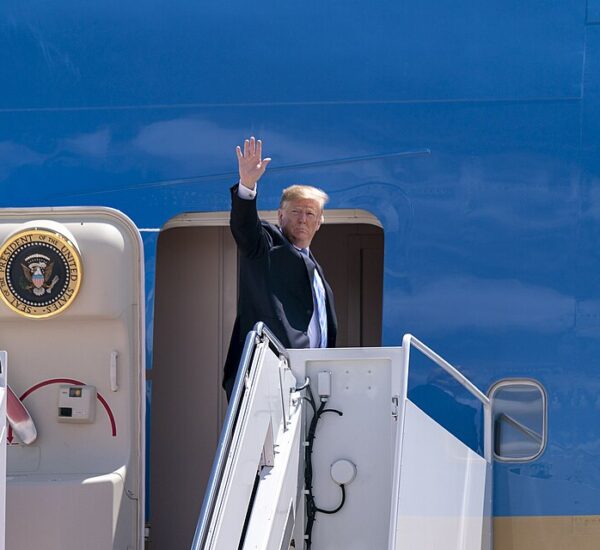
President Donald Trump remains another major factor in the 2026 midterm elections.
Allocco pointed to recent movement in Trump’s Rasmussen approval numbers and suggested that increased Republican campaign spending and Trump’s return to the campaign trail could help energize supporters.
Trump has historically drawn support from some voters who do not participate consistently in midterm elections.
For Republican candidates, encouraging those lower-frequency voters to cast ballots could become an important part of the party’s strategy.
At the same time, presidential approval ratings can change quickly and differ substantially across polling organizations.
That makes it important to look at polling averages and longer-term trends rather than relying on a single survey.
Why Oil Prices Could Matter Politically
Allocco also connected the recent Republican polling decline to oil prices.
Energy costs can have a noticeable effect on household budgets because higher oil prices may contribute to higher gasoline, transportation and shipping expenses.
For older Americans, retirees and households living on fixed incomes, even relatively small increases in everyday expenses can become significant.
Economic concerns have historically played an important role in midterm elections, particularly when voters are focused on inflation, gasoline prices and the cost of living.
Whether energy prices remain a major political issue through Election Day will depend on how conditions develop during the final weeks of the campaign.
Polls Are Snapshots, Not Election Results
Polling can provide useful information about voter attitudes, but individual surveys should be interpreted carefully.
Several factors can affect polling results, including:
- The number of people surveyed
- Whether respondents are registered or likely voters
- The polling organization’s turnout model
- The percentage of undecided voters
- The dates when the survey was conducted
- The method used to contact respondents
- The poll’s margin of error
Close races can also shift rapidly because of debates, advertising, economic developments or major news events.
That is why polling averages and longer-term trends are often more informative than any single survey.
Control of Congress Could Come Down to a Few Races
The latest polling suggests Republicans face a more difficult national environment than they did earlier in the year.
Democrats currently hold advantages in several national surveys, while a number of Senate and House contests remain closely divided.
Texas, New Hampshire and Maine are among the races receiving increased attention, while competitive House districts could ultimately determine which party controls the chamber.
The final outcome will depend heavily on voter turnout.
Republicans are working to mobilize supporters who may not regularly participate in midterm elections, while Democrats are attempting to convert favorable polling numbers into actual votes.
With several major races still within relatively narrow margins, the political landscape could continue to change before Election Day.
For voters following the 2026 midterms, the coming weeks will provide a clearer picture of whether the current polling shift becomes a lasting trend or another temporary movement in a highly competitive election year.