Key Race For Trump Still Too Close
The race for South Carolina’s U.S. Senate seat is tightening as Republican Sen. Darline Graham and Democratic challenger Annie Andrews head into the final weeks before the November election.
A new Trafalgar Group poll released Saturday shows Graham holding a narrow one-point advantage over Andrews among likely South Carolina voters.
Because the survey has a margin of error of approximately 2.9 percentage points, the results indicate that the contest remains statistically close.
The poll also shows that a meaningful share of voters have not yet made their final decision, potentially leaving both campaigns with opportunities to gain support before Election Day.
South Carolina Senate Poll Shows Tight Contest
According to the Trafalgar survey, Graham leads Andrews by approximately one percentage point.
Roughly 8% of respondents said they were still undecided, while about 6% selected another candidate.
Those numbers could become increasingly important in the closing weeks of the campaign, particularly if the race remains as close as recent surveys suggest.
The Trafalgar poll surveyed 1,087 likely South Carolina voters between September 23 and September 25. The reported margin of error was approximately plus or minus 2.9 percentage points.
Other Polls Also Show a Competitive Race
The Trafalgar survey follows several other polls showing a closely contested election.
An InsiderAdvantage poll released earlier in September showed Graham leading Andrews by approximately two percentage points.
A separate August poll conducted by Impact Research and sponsored by the Andrews campaign showed the two candidates tied.
Although individual polls can differ because of methodology, voter samples and timing, the recent results collectively suggest that neither candidate has established a decisive advantage.
Graham Seeks Full Six-Year Senate Term
Graham is seeking a full six-year term in the U.S. Senate after being appointed to the seat by South Carolina Gov. Henry McMaster.
The vacancy followed the death of her brother, longtime Republican Sen. Lindsey Graham.
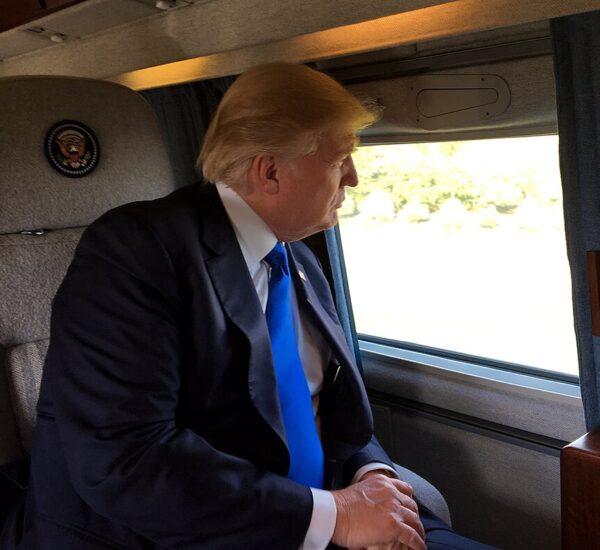
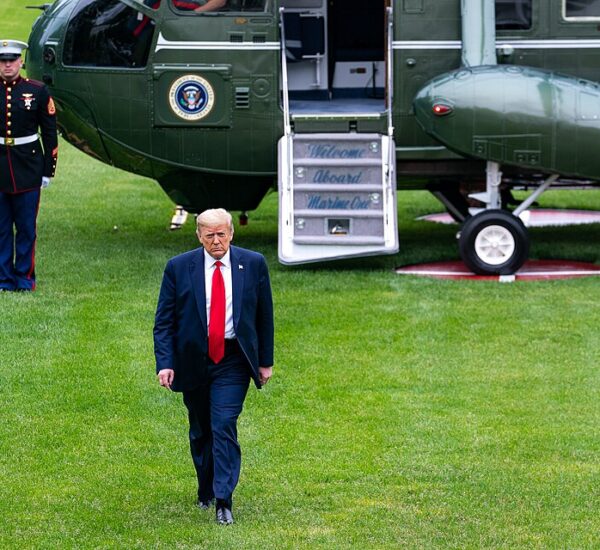
President Donald Trump endorsed Graham during the Republican primary and later campaigned on her behalf in South Carolina.
Graham faced Rep. Ralph Norman in a competitive GOP primary that ultimately advanced to a runoff.
She defeated Norman in that contest, securing the Republican nomination for the November general election.
Trump’s Endorsement Remains Part of the Campaign
Trump’s backing has remained an important part of Graham’s campaign.
The president traveled to South Carolina ahead of the Republican runoff and urged voters to support her candidacy.
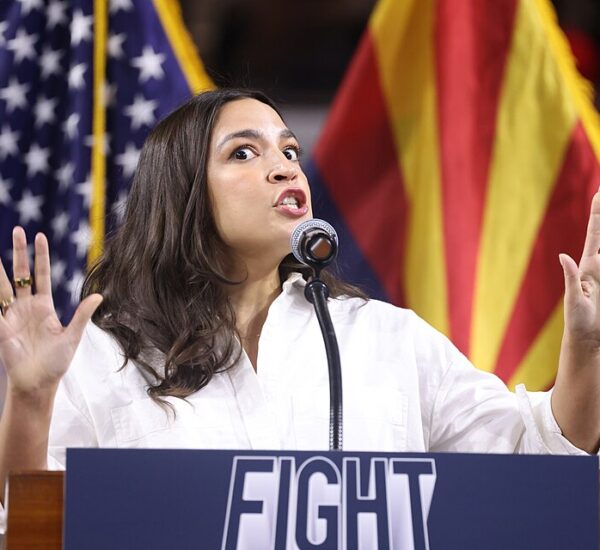
Andrews, meanwhile, has frequently criticized Graham over her support for Trump and several administration policies.
The contrast between the candidates has become one of the defining themes of the race as voters consider which direction they want their Senate representation to take.
Andrews Criticizes Graham Over Iran War Powers Vote
Andrews recently criticized Graham for voting against an Iran war powers resolution.
The issue has gained additional attention as Americans continue to watch energy prices and other economic effects associated with the conflict.
Foreign policy, energy costs and inflation could therefore remain significant campaign issues heading into November.
Graham and Andrews have taken different approaches to the Trump administration’s foreign policy, giving voters another clear point of comparison between the two candidates.
Andrews Positions Herself as a More Moderate Democrat
Andrews, a pediatrician, has attempted to present herself as a pragmatic Democratic candidate in a state that has not elected a Democrat to the U.S. Senate in more than two decades.
Her campaign has emphasized health care and other domestic policy issues while also distancing itself from some proposals associated with the Democratic Party’s progressive wing.
One example is Medicare for All.
During an August interview with NewsNation, Andrews described Medicare for All as an older policy proposal and argued that current political realities require a more practical approach to health care reform.
She said she supports treating health care as a fundamental right but believes changes should focus on realistic reforms that can gain broader political support.
Health Care Could Become a Major Campaign Issue
Health care remains one of the major issues dividing voters across the country.
Andrews has argued that the current system should become more focused on patients rather than profits.
Republicans, meanwhile, have traditionally favored a larger role for private insurance and market-based competition.
How South Carolina voters respond to those competing approaches could help shape the final outcome of the Senate race.
Undecided Voters Could Determine the Outcome
Perhaps the most significant finding in the latest poll is the number of voters who remain undecided.
Approximately 8% of likely voters surveyed by Trafalgar said they had not yet chosen a candidate.
In a race separated by roughly one percentage point, that group represents a potentially important voting bloc.
Both campaigns are likely to spend the final weeks attempting to win over independents, undecided voters and supporters who may not yet be committed to turning out.
Latest South Carolina Senate Poll Numbers
Here is a quick look at the latest Trafalgar Group survey:
Darline Graham, Republican: Narrow one-point advantage
Annie Andrews, Democrat: Approximately one percentage point behind
Undecided voters: About 8%
Other candidates: About 6%
Likely voters surveyed: 1,087
Polling period: September 23–25
Margin of error: Approximately ±2.9 percentage points
Why the South Carolina Senate Race Matters
South Carolina has generally favored Republican candidates in statewide federal elections in recent decades.
That history makes the competitiveness of the current Senate race particularly noteworthy.
Both parties are also closely watching Senate contests across the country because even a small number of seats can affect control of the chamber.
That gives the Graham-Andrews contest significance beyond South Carolina.
What Happens Next
Graham and Andrews now enter the final stage of the campaign with Election Day approaching.
Graham is expected to emphasize her Republican credentials, Trump’s endorsement and her support for conservative policy priorities.
Andrews is likely to continue presenting herself as a more moderate alternative while focusing on health care, energy costs and disagreements with the Trump administration.
With recent polling showing a narrow race and several voters still undecided, turnout could ultimately become one of the most important factors.
South Carolina voters will have the final say when they cast their ballots on November 3.
Bottom Line
The latest South Carolina Senate polling shows a competitive contest between Republican Darline Graham and Democrat Annie Andrews.
Graham holds only a narrow advantage in the latest Trafalgar survey, while the percentage of undecided voters remains larger than the gap separating the two candidates.
That means the final weeks of campaigning could prove important as both candidates compete for undecided voters and work to maximize turnout before Election Day.